 Search for products...

 English
 中文简体
中文简体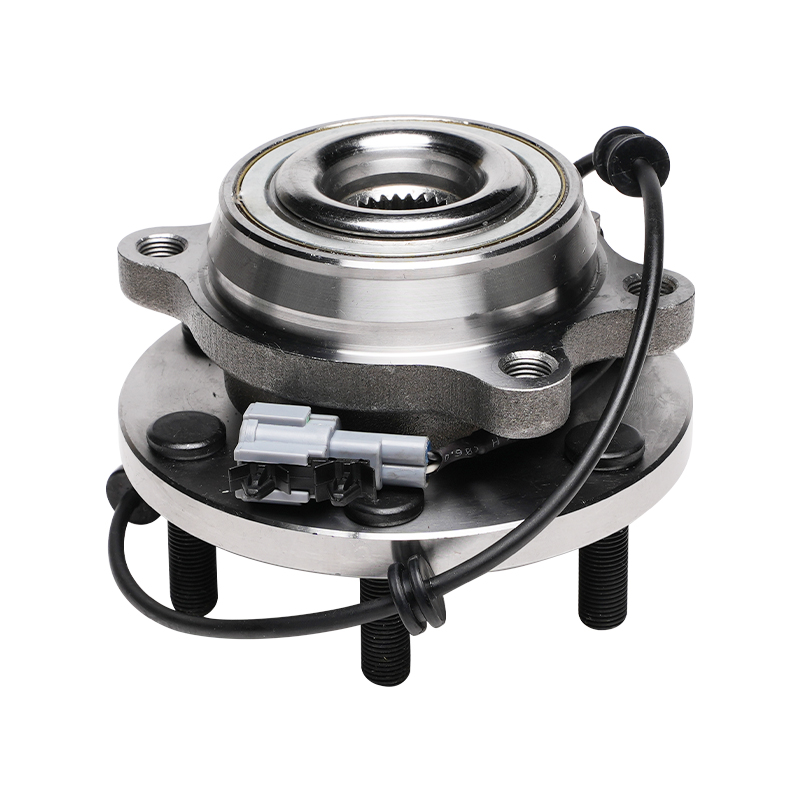
Looking For Business Opportunity?
Request for a call today
NEW
 Home / News / Industry News / What Automotive Performance Aspects Are Affected by Wheel Hub Bearings? How to Ensure Stable Wheel Operation?
 2026.01.22
 Industry News
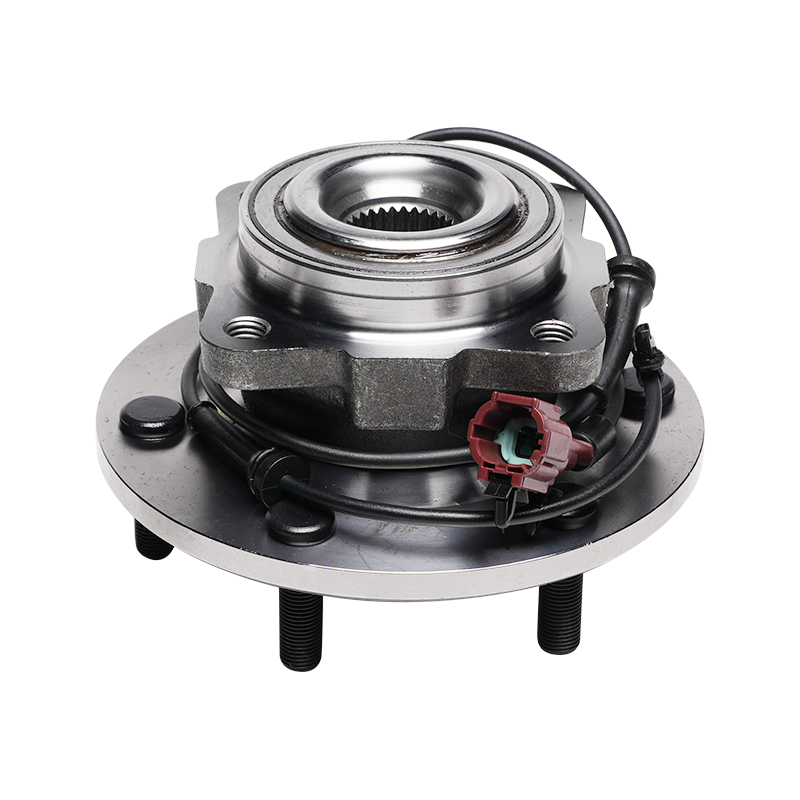
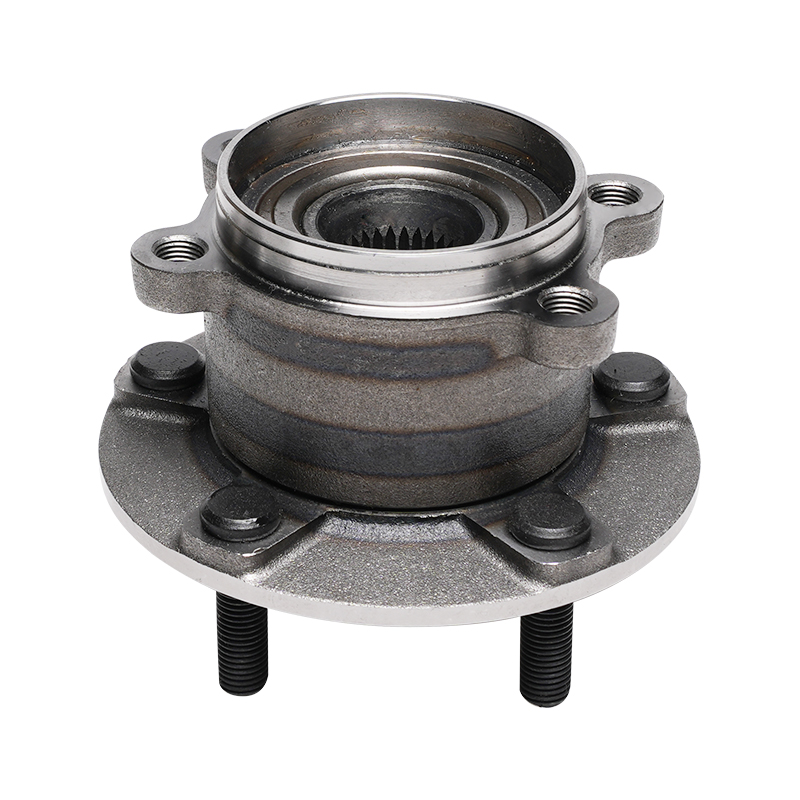
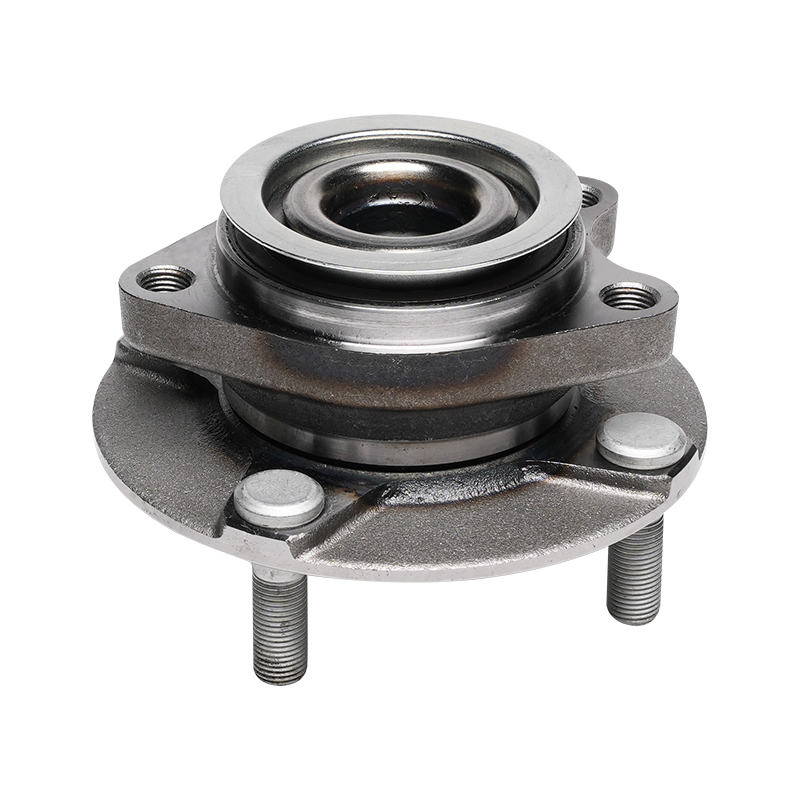
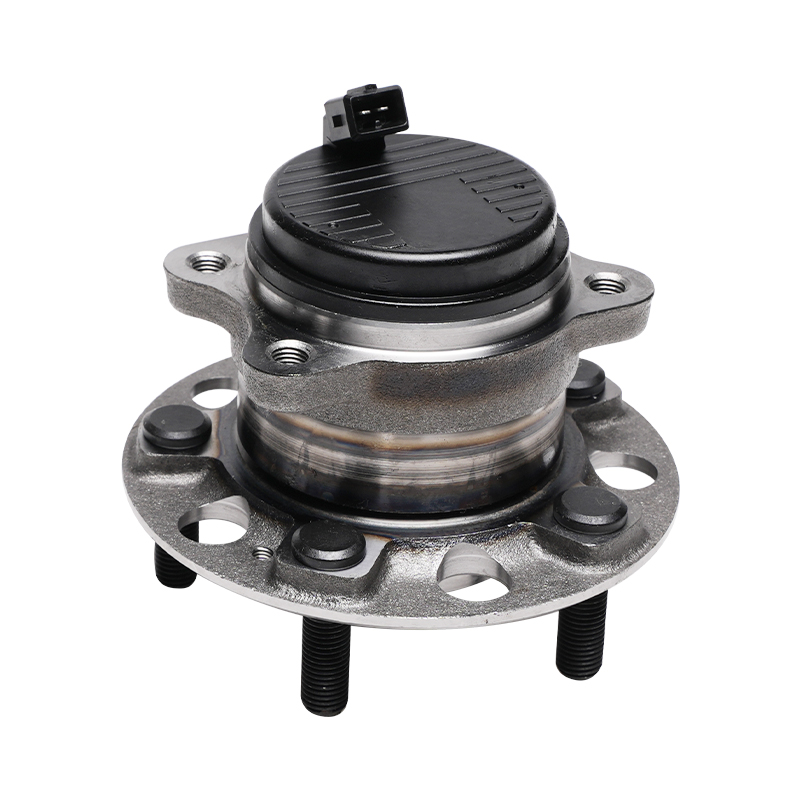
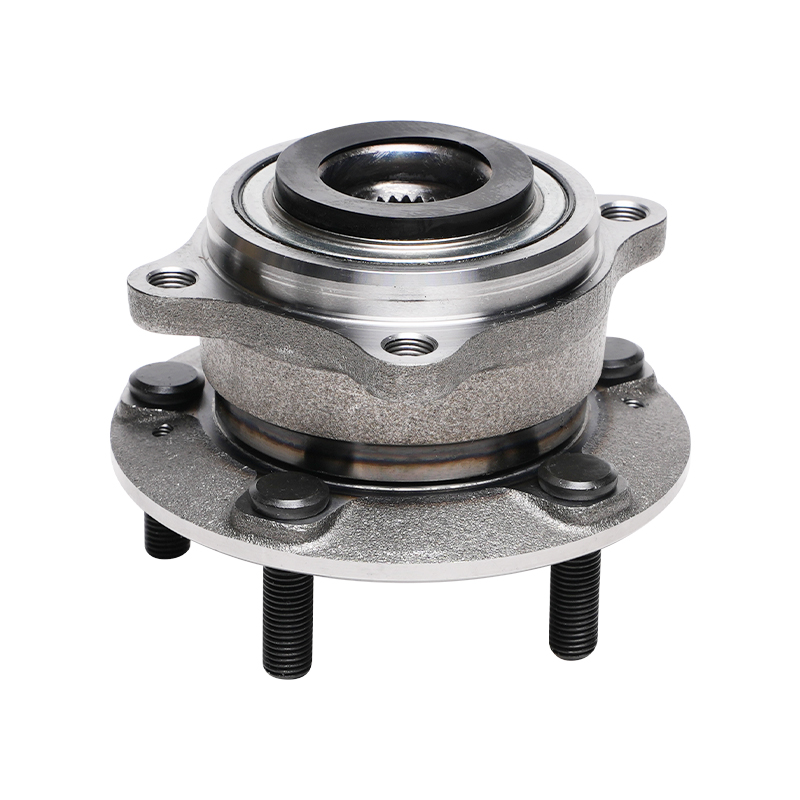
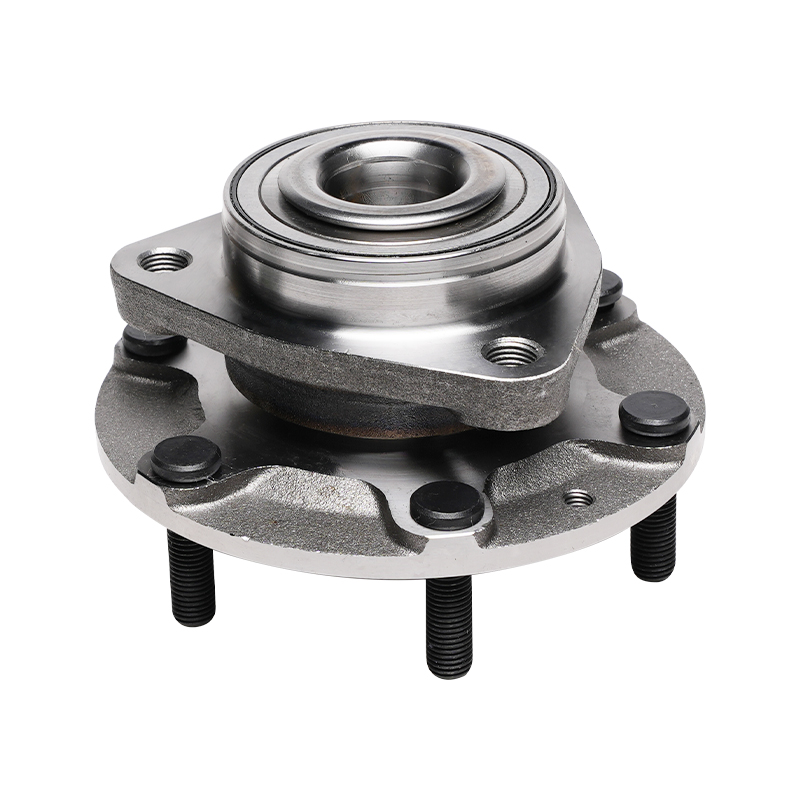
Wheel hub bearings are one of the indispensable core components in modern automobiles, playing a crucial role in the normal operation and safety performance of the vehicle. As a key component connecting the wheel and the vehicle body, the wheel hub bearing not only supports the rotation of the wheel but also withstands various impacts from the road surface.
A wheel hub bearing typically consists of four parts: an inner ring, an outer ring, rolling elements, and a cage. The inner ring is usually connected to the axle, while the outer ring is connected to the wheel. The rolling elements rotate between the inner and outer rings, and the cage evenly distributes the rolling elements to ensure the stability of the bearing.
When the vehicle is in motion, the wheel hub bearing bears the load from the wheel and reduces friction through the rotation of the rolling elements, allowing the wheel to rotate smoothly. At the same time, the bearing effectively disperses the pressure between the wheel and the vehicle body, reducing heat accumulation caused by friction between the tire and the road surface, thus extending the service life of the wheel system.
The most basic function of a wheel hub bearing is to support the rotation of the wheel. Its smooth operation ensures the stability and efficiency of the wheels while the vehicle is in motion. Whether on city roads or highways, the wheel hub bearing needs to withstand significant loads.
The wheel hub bearing effectively reduces friction through the rotation of the rolling elements, lowering heat generation. At high speeds or under heavy loads, excessive friction can cause the bearing to overheat, affecting wheel stability and potentially leading to bearing damage. Therefore, the bearing design must be sufficiently precise to ensure low friction characteristics under various driving conditions.
Uneven road surfaces, excessive speed, or driving habits can all subject the wheel hub bearing to significant impact loads. High-quality wheel hub bearings can effectively cope with these impacts, ensuring safe wheel operation without abnormal noises or premature damage.
The good condition of the wheel hub bearing is directly related to vehicle safety. If the bearing malfunctions, it may lead to loose wheels, vehicle instability, and even accidents during driving. Therefore, regular inspection and maintenance of wheel bearings are crucial for ensuring driving safety.
When purchasing wheel bearings, the first thing to consider is the bearing's compatibility. Different car models and brands require different specifications of wheel bearings. Therefore, ensuring that the bearing matches the car model is the primary condition for choosing the right product.
Bearing quality is another key factor. High-quality wheel bearings usually have a longer service life and stronger load-bearing capacity. Consumers can judge the quality of the product based on brand reputation, manufacturing process, and bearing material.
Considering the operating environment and conditions of the bearing, it is recommended to choose products that meet international standards. Some high-end wheel bearings use advanced sealing technology to effectively prevent dust, moisture, and other external factors from entering, ensuring stable operation even in harsh environments.
Although wheel bearings are highly durable components, prolonged use or improper driving habits can still lead to wear or damage. Regular inspection and maintenance are crucial, especially if there are abnormal noises from the wheels, steering wheel vibration, or the vehicle pulling to one side. The wheel bearings should be checked promptly for any problems.
When maintaining wheel bearings, first ensure that there is sufficient lubricant. The right lubricant can reduce friction inside the bearing and extend its service life. Secondly, avoid external contaminants from entering the bearing. Dust, mud, and other substances can enter the bearing, causing it to malfunction or even be damaged.
If the bearing is found to be significantly damaged or irreparable, it should be replaced promptly. When replacing wheel bearings, it is best to have the work done by professional mechanics to ensure correct installation and avoid problems caused by improper operation.
Common wheel bearing faults include abnormal noise, overheating, and uneven wear. These problems are usually caused by improper use or lack of maintenance over time. If there is abnormal noise, especially when turning or driving at high speeds, it may indicate bearing wear or damage. In this case, the bearing needs to be inspected to identify the problem and repair or replace it promptly.
Bearing overheating is also a common fault. High temperatures can cause the lubricant to fail, thus accelerating bearing wear. If you notice the wheel hub area overheating, you should stop the vehicle and inspect it as soon as possible to prevent further damage.
A1: Wheel bearings typically have a lifespan of around 100,000 kilometers, but the actual replacement interval depends on vehicle usage, road conditions, and maintenance. Regular inspections are recommended, and replacement should be done promptly if any abnormalities are found.
A2: Common symptoms include unusual noises while driving, steering wheel vibration, and uneven tire wear. If you experience these symptoms, you should have the wheel bearings checked to see if they need replacement.
A3: Replacing wheel bearings requires specialized knowledge and tools. It is recommended that the replacement be performed by a professional technician. Incorrect procedures can lead to more serious malfunctions or safety issues.
A4: Regularly checking the lubrication of the wheel bearings, avoiding exposure to external contaminants, and maintaining normal driving habits, such as avoiding sudden acceleration and braking, can effectively extend the lifespan of the bearings.
Request for a call today


Tel: +86 0575-87785959

E-mail: [email protected]

Add:Room 215, Building 3, No. 1887, Asia Pacific Road, Wenyan Street, Xiaoshan District, Hangzhou, Zhejiang, China
