 Search for products...

 English
 中文简体
中文简体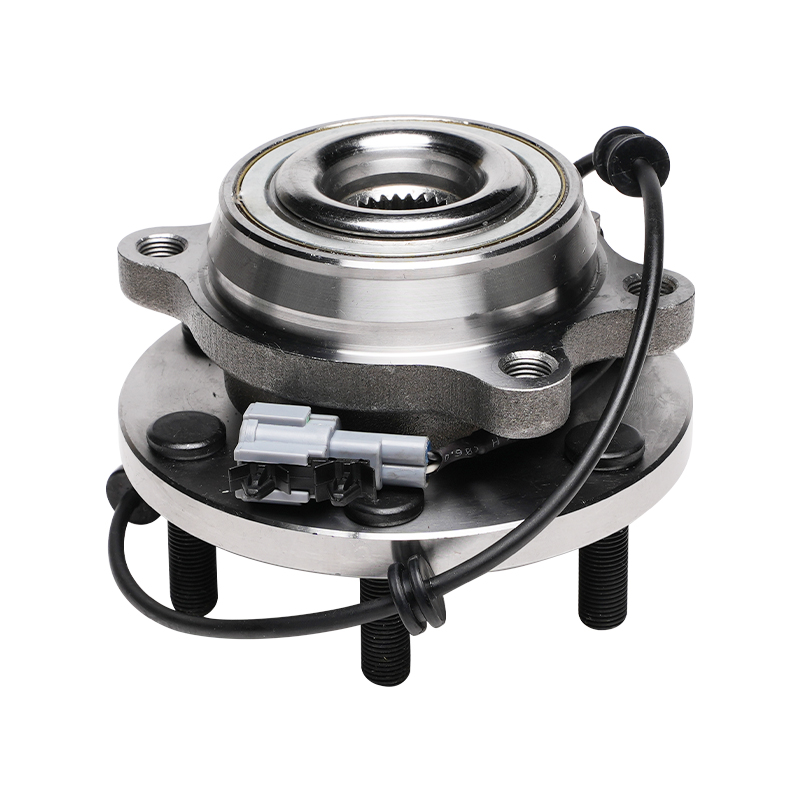
Looking For Business Opportunity?
Request for a call today
NEW
 Home / News / Industry News / From Structure to Performance: A Comprehensive Understanding of the Technical Essence of Modern Wheel Hub Units
 2025.10.08
 Industry News
In modern automotive manufacturing and maintenance, wheel hub units (WHUs) have become a key component impacting vehicle safety and performance. With the rapid development of the automotive industry, demands for ride smoothness, handling agility, and fuel efficiency and emission reduction continue to rise, leading to continuous innovation and optimization in the structure and manufacturing technology of WHUs. As a crucial component connecting the wheel and chassis, they not only transmit vehicle weight and driving force but also directly impact vehicle noise, vibration, and the overall driving experience.
Analysis of the Structure and Function of Wheel Hub Units
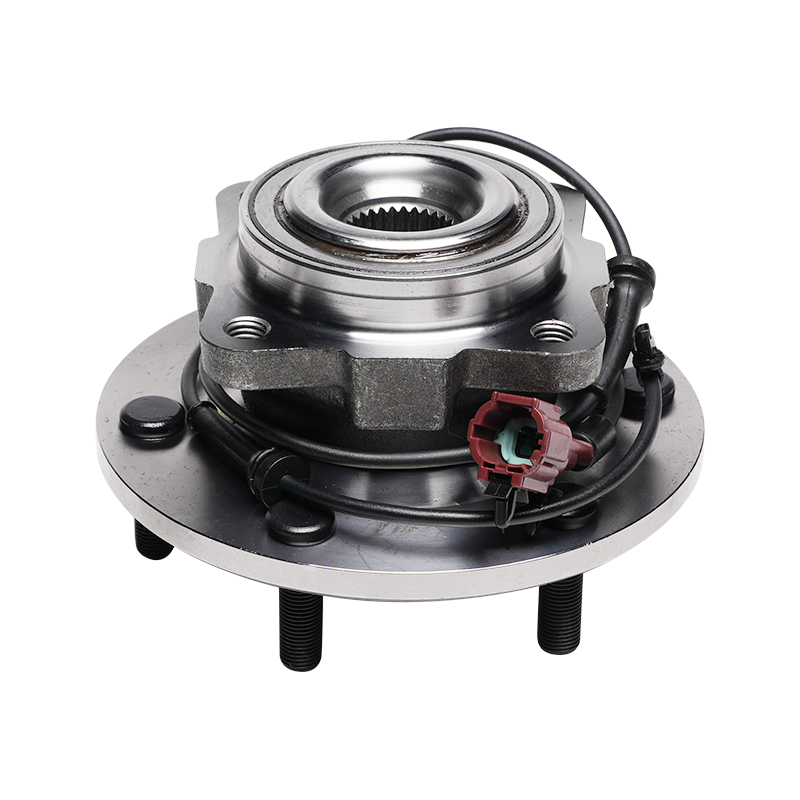
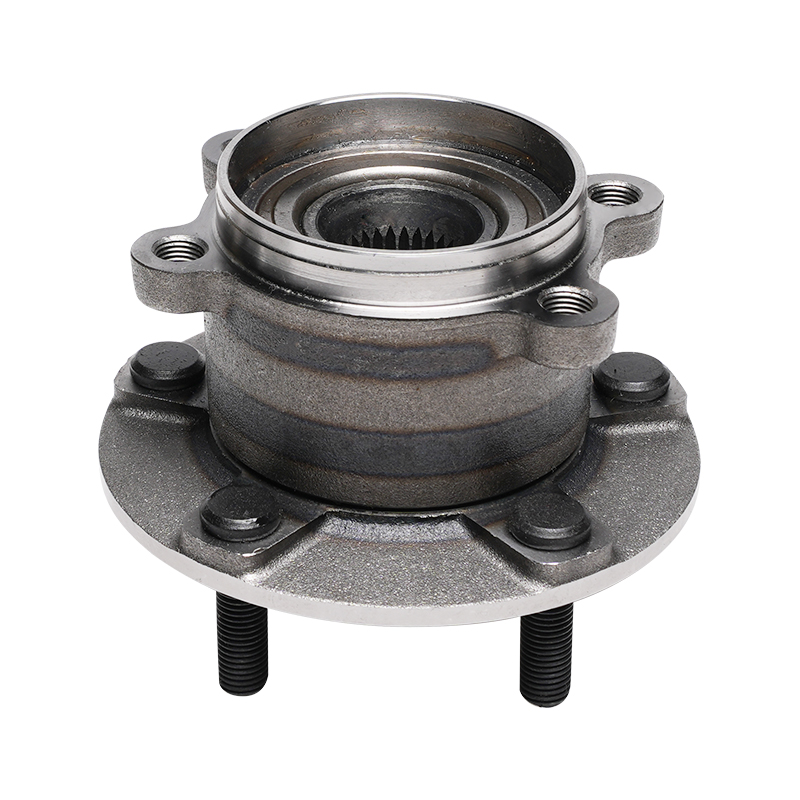
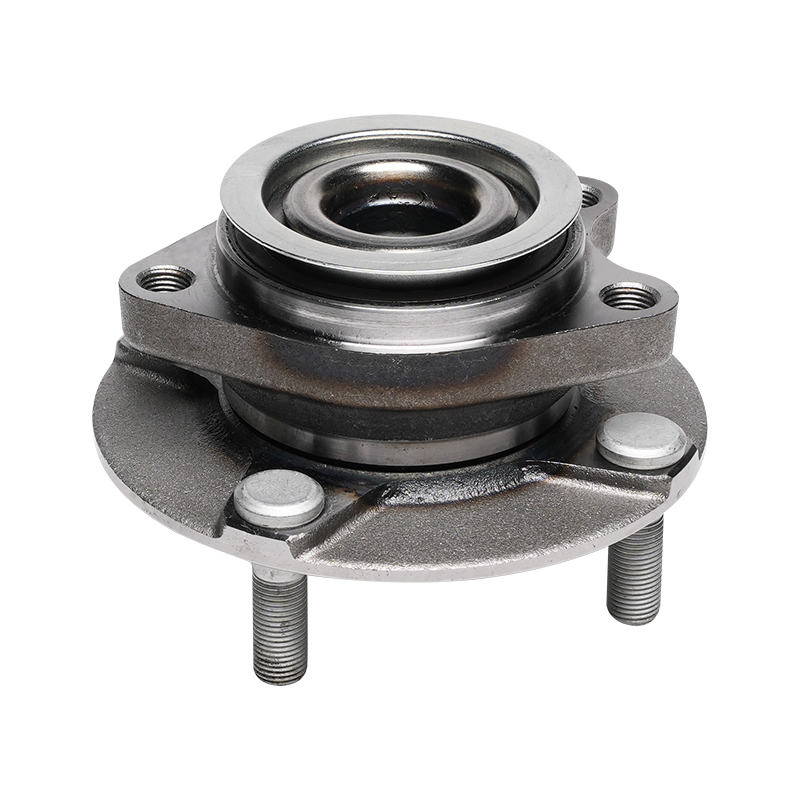
WHUs are integrated devices consisting of core components such as bearings, hubs, and flanges. They primarily support the vehicle's weight and enable wheel rotation. Their design demands extremely high precision and durability, as they operate under high loads, high speeds, and constantly changing environments. WHUs are generally categorized as driven and non-driven. Driven WHUs transmit torque, while non-driven WHUs primarily provide support and guidance.
Modern wheel hubs generally utilize double-row angular contact ball bearings or double-row tapered roller bearings for superior stability and longevity in withstanding radial and axial forces. A sophisticated internal grease seal effectively prevents the intrusion of dust and moisture, maintaining smooth bearing operation. High-quality steel and heat treatment further enhance the components' wear and fatigue resistance, ensuring the wheel hub maintains stable performance even under challenging operating conditions.
The Important Role of Wheel Hubs in Vehicle Performance
The wheel hub plays a crucial role in vehicle dynamics. Its precise geometry and assembly accuracy directly impact tire rotational balance and vehicle handling stability. When driving at high speeds or cornering, the wheel hub's force distribution and rigidity determine whether the wheel maintains optimal grip and steering response.
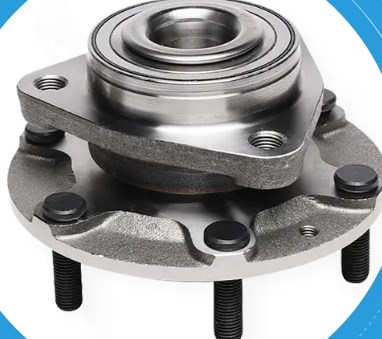
Additionally, the wheel hub's friction coefficient and rotational resistance also influence fuel economy. An efficient wheel hub design can reduce energy loss, improve driving efficiency, and ultimately achieve energy savings. For electric vehicles, lightweight and low-drag wheel hub designs are crucial for improving range. This demonstrates that wheel hubs are not just part of the mechanical structure but also a key component in optimizing overall vehicle performance.
Technological Innovation Trends in Modern Wheel Hubs
With the advancement of intelligent manufacturing and autonomous driving technologies, the technological level of wheel hubs is also continuously improving. Today, the wheel hubs of many high-end vehicles integrate the signal sensors required for ABS (anti-lock braking systems) and ESP (electronic stability program), enabling real-time monitoring of wheel speed and brake adjustments for enhanced safety and handling stability.
Lightweighting is a core focus of current wheel hub research and development. By employing high-strength aluminum alloys, composite materials, or optimized structural designs, the overall weight of wheel hubs can be reduced, thereby reducing the unsprung mass of the vehicle, improving suspension responsiveness, and enhancing ride comfort. Furthermore, the trend toward electrification is driving the development of in-wheel motor technology, deeply integrating the drive unit with the wheel hub system to achieve coordinated optimization of the powertrain, braking, and suspension systems. This undoubtedly represents a key evolutionary direction for future wheel hub technology.
The Importance of Manufacturing Process and Quality Control
The production process of wheel hub units plays a decisive role in the stability of product performance. High-precision machining equipment and strict process control are prerequisites for ensuring product consistency and reliability. Optimized heat treatment technology ensures higher hardness and toughness in the bearing component, while the use of automated assembly lines ensures that each wheel hub unit meets standard requirements for preload, clearance, and sealing.
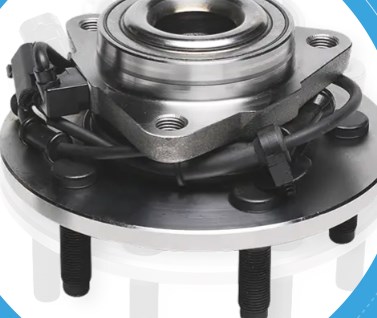
Quality inspection is also crucial. By using three-dimensional coordinate measuring machines, acoustic testing systems, and fatigue life testing equipment, manufacturers can ensure that every product meets international quality standards before shipment. For automakers, selecting a high-quality wheel hub unit supplier not only reduces after-sales maintenance costs but also stabilizes the vehicle's market reputation and safety ratings.
As a core component of the automotive chassis system, the technical level of the wheel hub unit directly determines the vehicle's safety, comfort, and economy. Throughout its evolution from traditional mechanical structures to intelligent integrated systems, wheel hub units have consistently been a key driving force behind the automotive industry's progress. In the future, with continuous breakthroughs in materials science, sensing technology and manufacturing processes, wheel hub units will serve the new generation of automotive industry in a more efficient, lightweight and intelligent form, providing safer, more energy-efficient and more stable solutions for global transportation.
Request for a call today


Tel: +86 0575-87785959

E-mail: [email protected]

Add:Room 215, Building 3, No. 1887, Asia Pacific Road, Wenyan Street, Xiaoshan District, Hangzhou, Zhejiang, China
