 Search for products...

 English
 中文简体
中文简体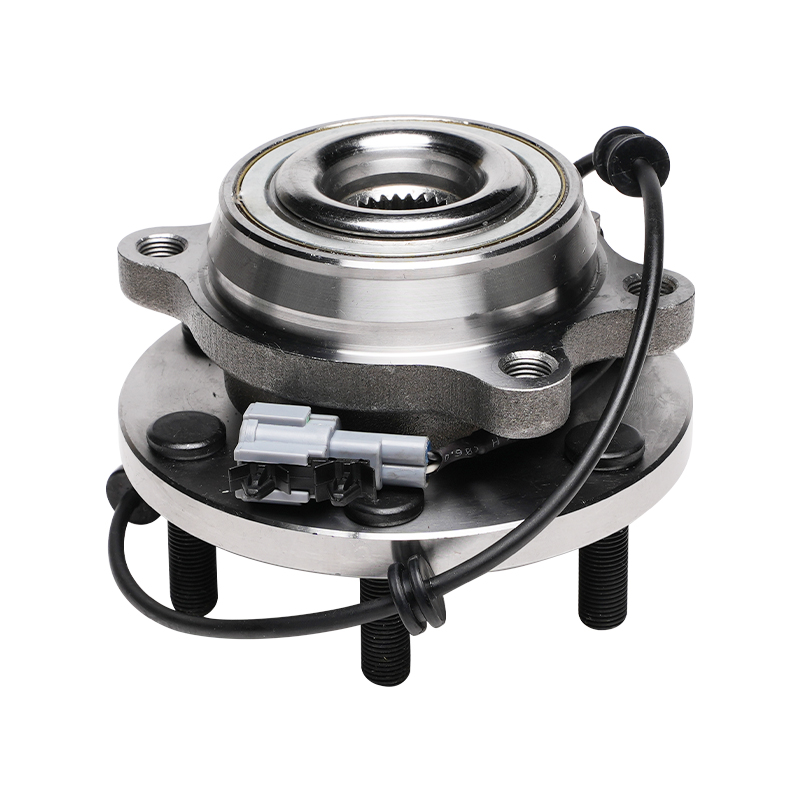
Looking For Business Opportunity?
Request for a call today
NEW
 Home / News / Industry News / Wheel Hub Assemblies: The Technological Development and Application Value of Key Automotive Components
 2025.10.01
 Industry News
In the modern automotive industry, wheel hub assemblies have become crucial components that influence vehicle performance and safety. They not only contribute to a vehicle's smooth ride and handling, but also serve as the core connection between the braking and suspension systems. As the global automotive industry continues to advance towards higher performance and intelligent technology, the structural design, manufacturing processes, and application scenarios of wheel hub assemblies are also rapidly evolving.
Analysis of the Structure and Function of Wheel Hub Assemblies
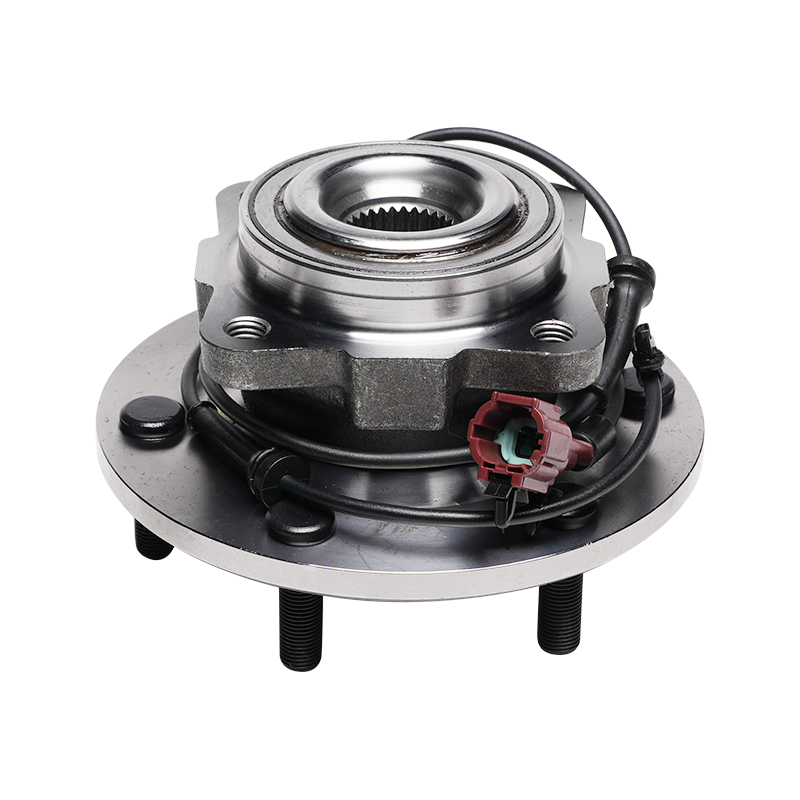
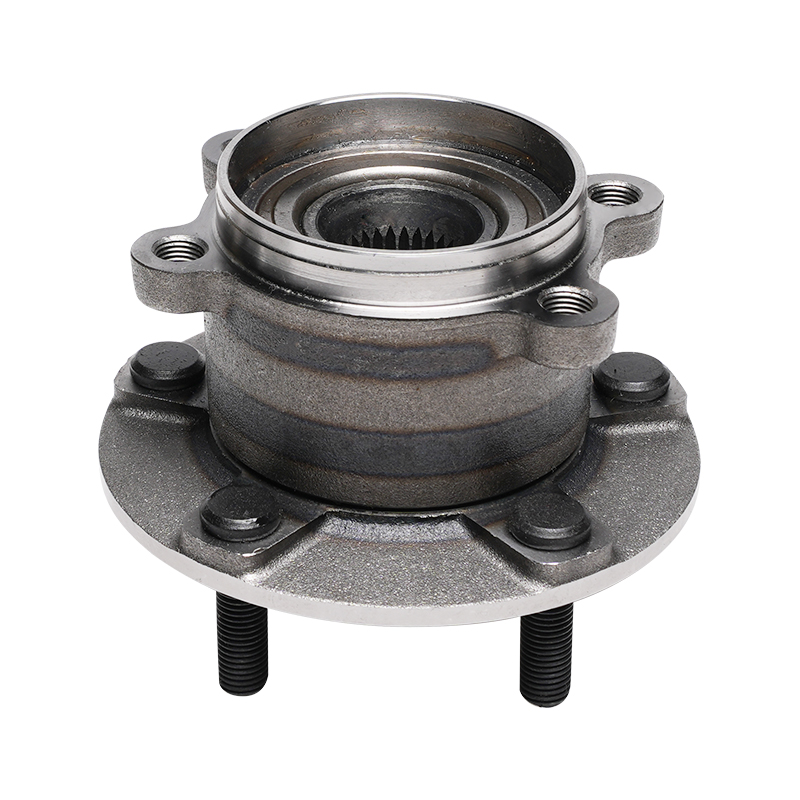
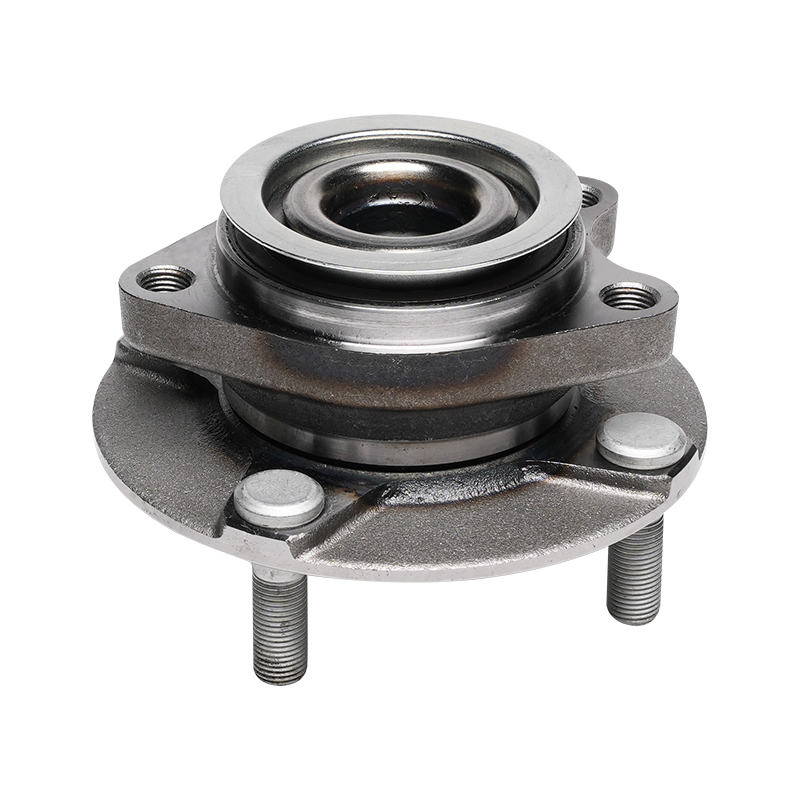
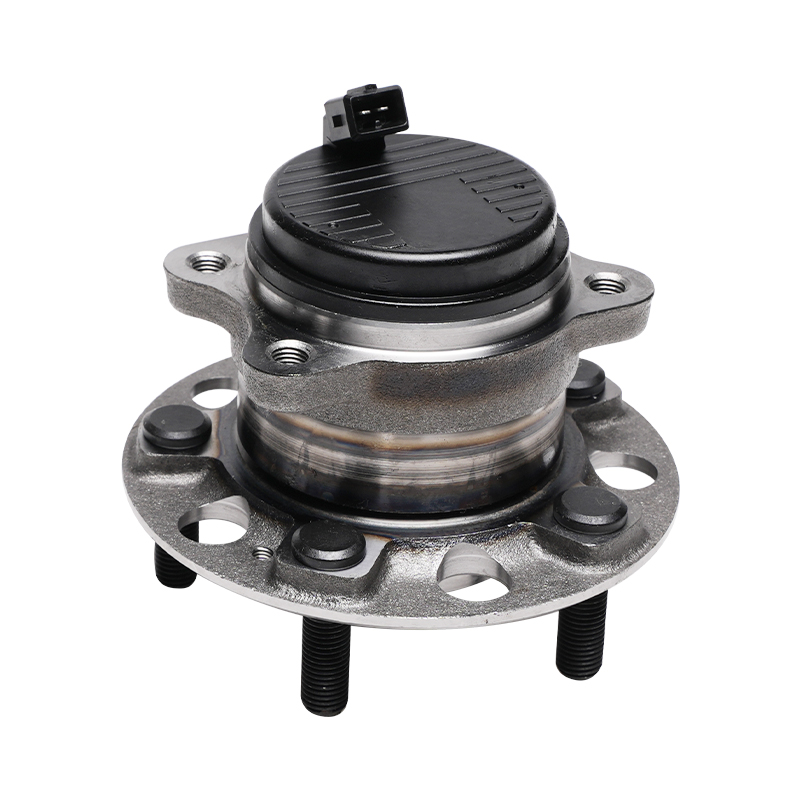
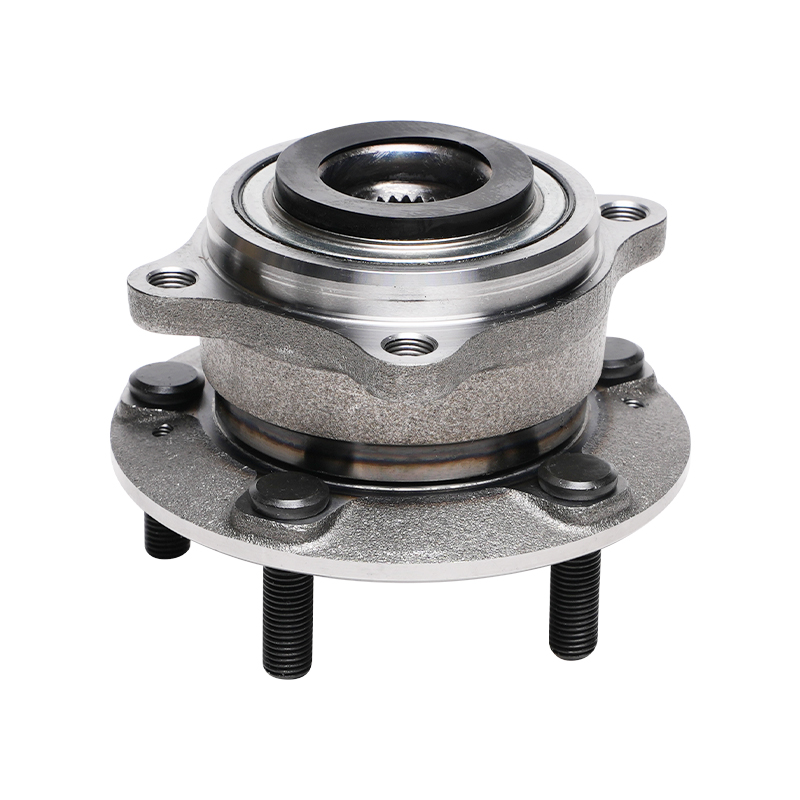
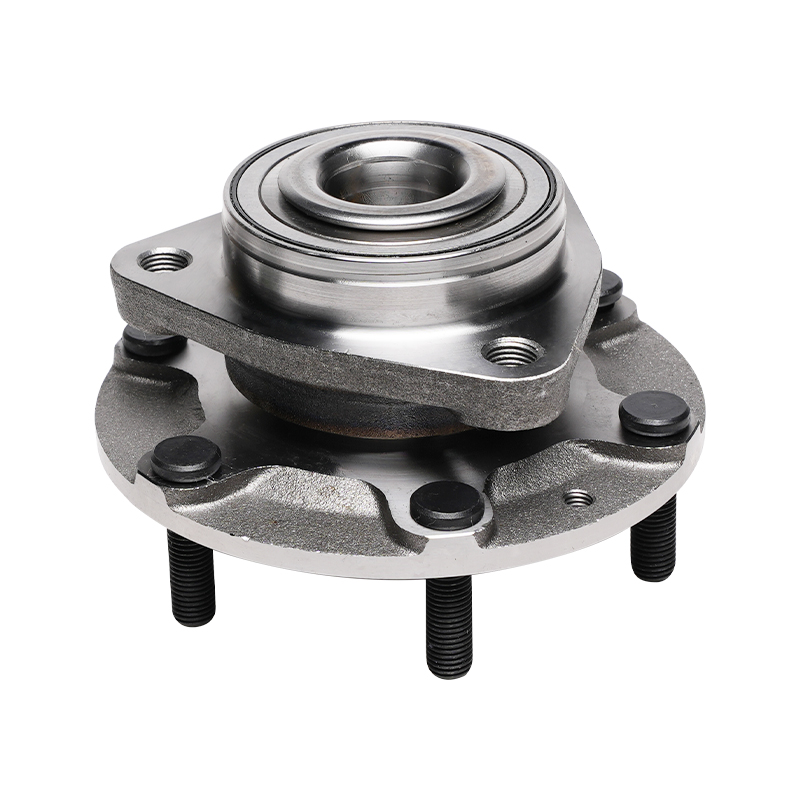
A wheel hub assembly is a structural component that integrates the wheel hub, bearings, and seals. Its core function is to support vehicle weight, maintain smooth wheel rotation, and ensure the proper functioning of the steering and braking systems. The traditional design of separate hubs and bearings has been gradually replaced by an integrated assembly structure. This integrated design effectively improves assembly precision, reduces maintenance costs, and enhances component durability.
Technically, modern wheel hub assemblies extensively utilize high-strength alloy steel and advanced heat treatment processes to ensure stable performance under high loads and complex road conditions. At the same time, some high-end products also integrate ABS sensors, enabling more accurate data collection and feedback from braking and safety control systems, further enhancing driving safety.
Manufacturing Process and Technological Innovation Trends
With the transformation and upgrading of the global automotive industry, the manufacturing process of wheel hub assemblies is continuously advancing. From material selection to processing methods, manufacturers are increasingly prioritizing lightweighting and high precision. The use of CNC machine tools and automated production lines has enabled wheel hub assemblies to achieve higher levels of dimensional accuracy, surface quality, and assembly consistency.
In addition, advances in surface treatment technology have significantly extended the service life of wheel hub assemblies. The use of anti-rust coatings, electroplating technology, and high-performance greases not only reduces friction loss but also mitigates the risk of component wear in extreme environments. In the future, with the development of new energy vehicles and smart cars, wheel hub assemblies are likely to integrate more electronic sensing functions to provide data support for vehicle intelligence.
The Critical Role of Wheel Hub Assemblies in Vehicle Performance
As the core component connecting the chassis, brakes, and wheels, wheel hub assemblies have a direct impact on the overall performance of the vehicle. Its load-bearing capacity and rotational accuracy determine a vehicle's stability at high speeds, directly impacting handling and comfort. Poor wheel hub assembly quality can lead to increased vehicle vibration and noise, and even affect braking performance. Therefore, high-quality wheel hub assemblies not only enhance the driving experience but also play a crucial role in overall vehicle safety.
The performance requirements for wheel hub assemblies differ between commercial and passenger vehicles. Commercial vehicles prioritize durability and load-bearing capacity, while passenger vehicles prioritize ride comfort and ride quality. With the development of the industry, high-performance, low-noise, and long-life wheel hub assemblies are becoming mainstream.
Global Market Development and Application Prospects
In recent years, with the continued growth of global automobile production and the rapid adoption of new energy vehicles and smart cars, market demand for wheel hub assemblies has shown steady growth. The North American and European markets prioritize high-end performance and quality certifications, while the Asian market prioritizes high production volumes and cost control. China, as the world's largest automobile producer and consumer, has a particularly strong demand for wheel hub assemblies, driving the rapid development of related manufacturing companies.
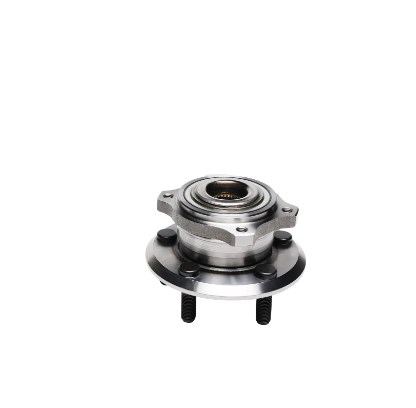
In the future, lightweighting, modularization, and intelligence will become key trends in wheel hub assemblies. Lightweight design not only reduces vehicle fuel consumption but also increases the range of new energy vehicles. Modularization simplifies assembly processes and improves production efficiency. The integration of intelligent features will further support future autonomous and intelligent driving.
As an indispensable component in modern vehicles, wheel hub assemblies play a crucial role in safety, stability, and comfort. With continuous technological advancements, future wheel hub assemblies will achieve even greater breakthroughs in lightweighting, intelligence, and durability. Both vehicle manufacturers and parts suppliers need to keep pace with industry trends and continuously innovate to meet the growing global demand for high-performance automotive components.
Request for a call today


Tel: +86 0575-87785959

E-mail: [email protected]

Add:Room 215, Building 3, No. 1887, Asia Pacific Road, Wenyan Street, Xiaoshan District, Hangzhou, Zhejiang, China
