 Search for products...

 English
 中文简体
中文简体
Looking For Business Opportunity?
Request for a call today
NEW
 2025.12.15
 Industry News
Wheel hub units are an indispensable component in modern automotive engineering. With the continuous advancement of automotive technology, wheel hub units, as a crucial part of the vehicle chassis, directly affect the vehicle's safety, comfort, and driving experience.
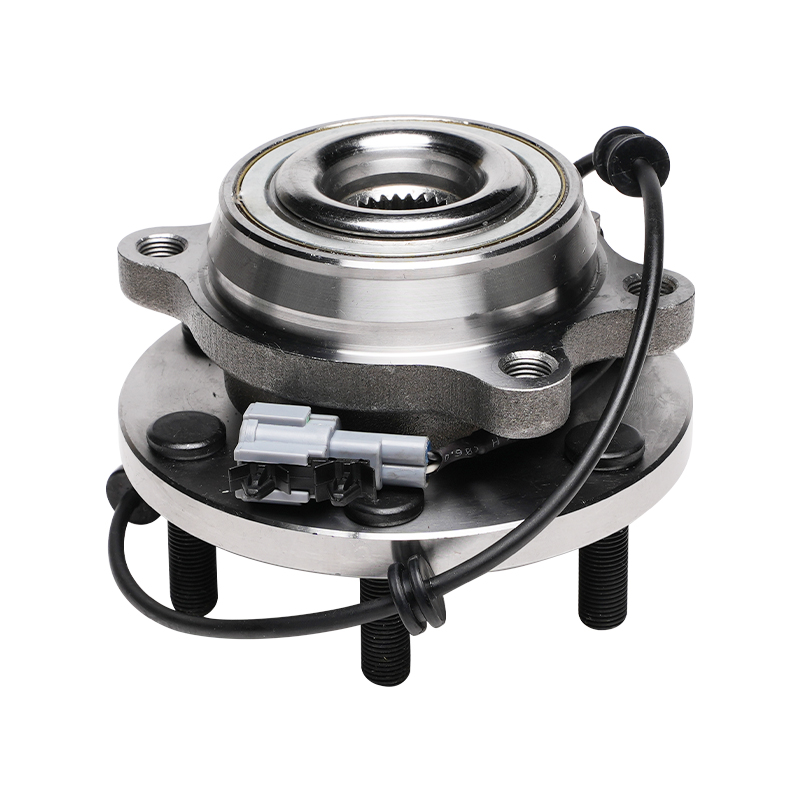
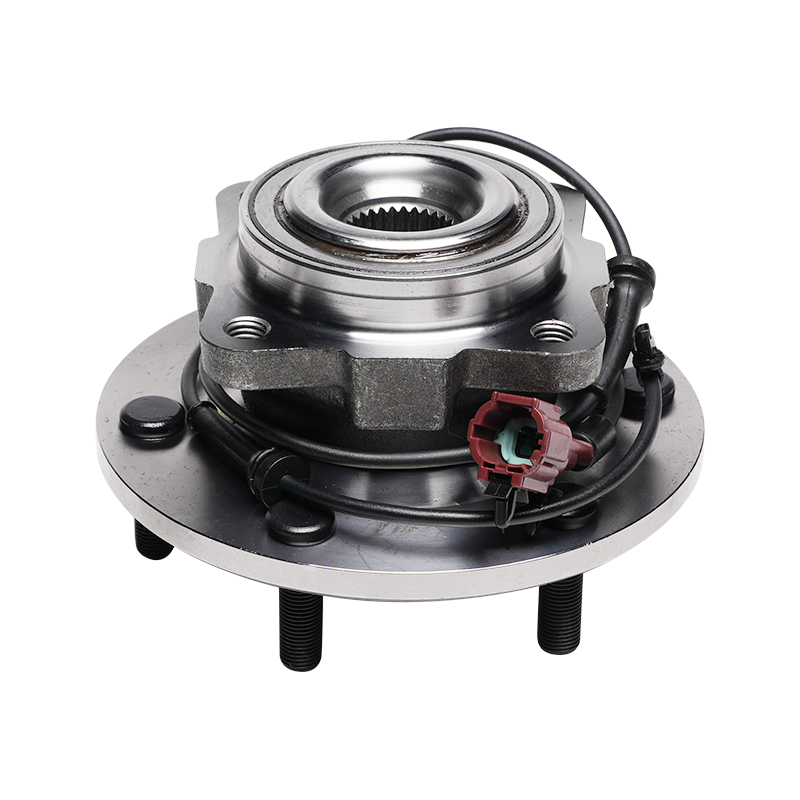
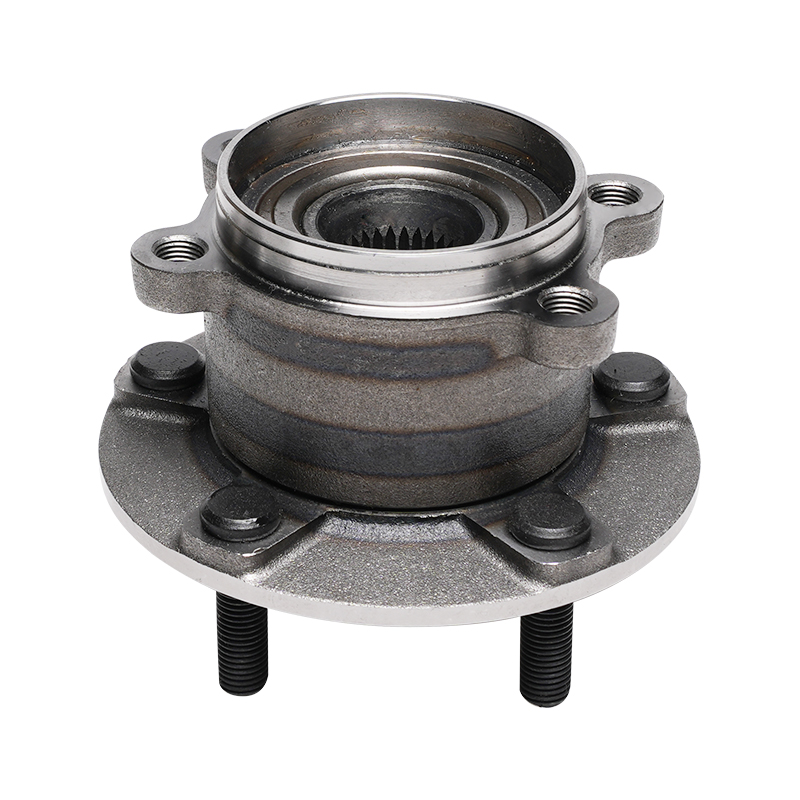
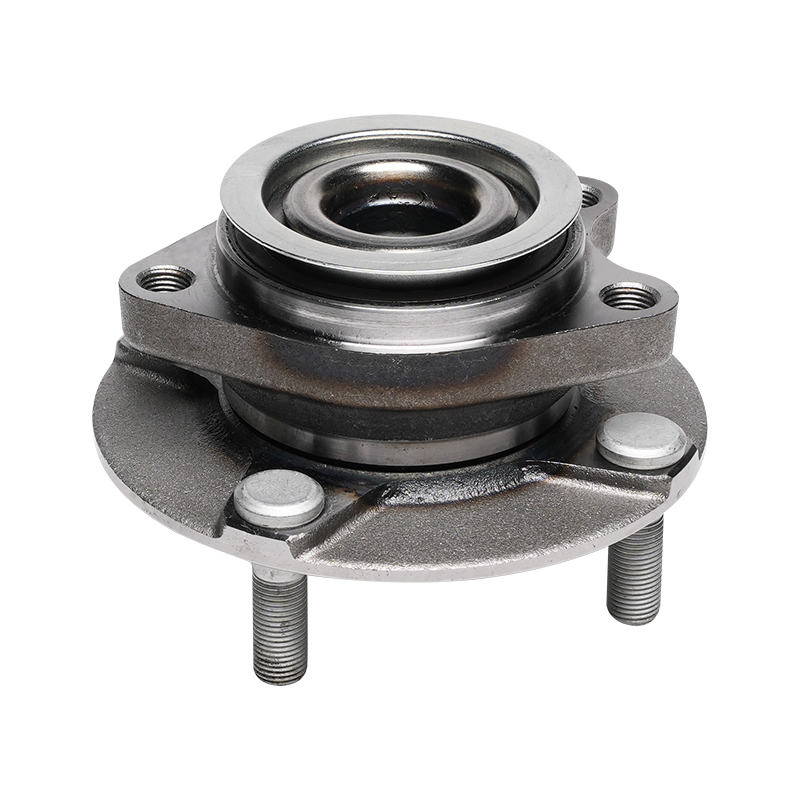
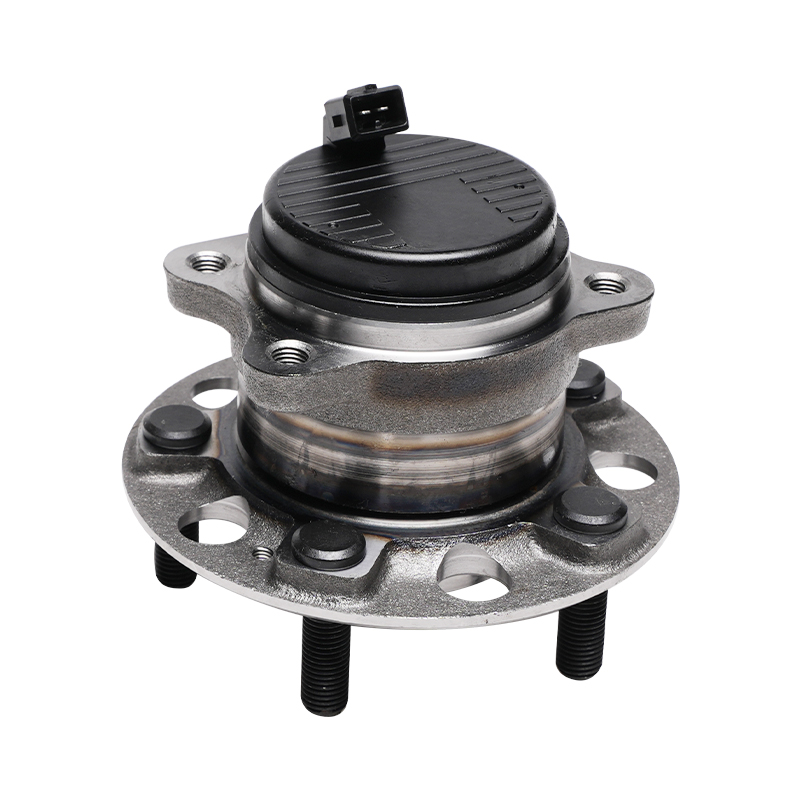
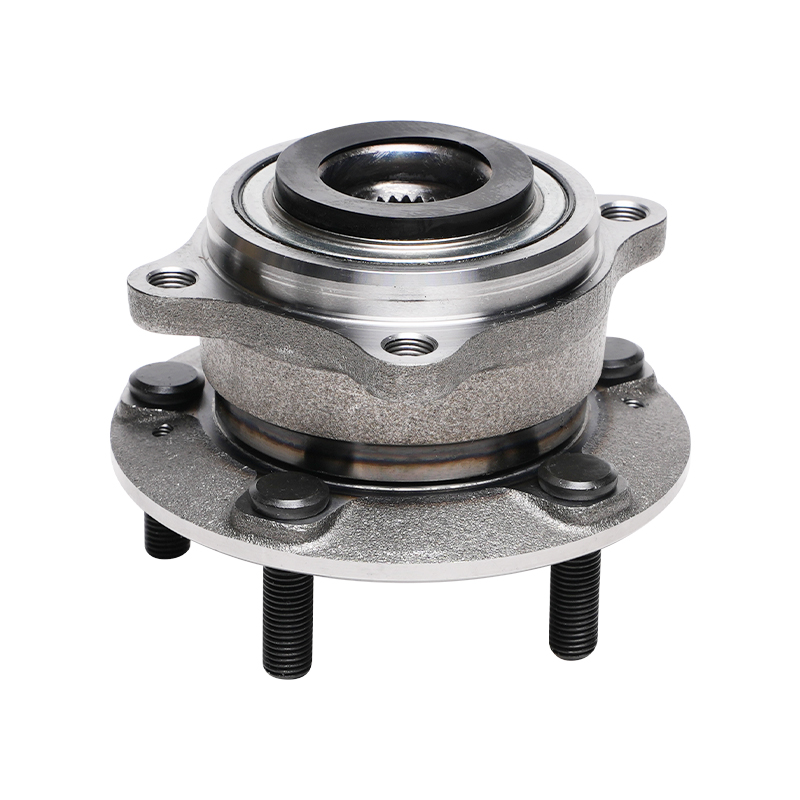
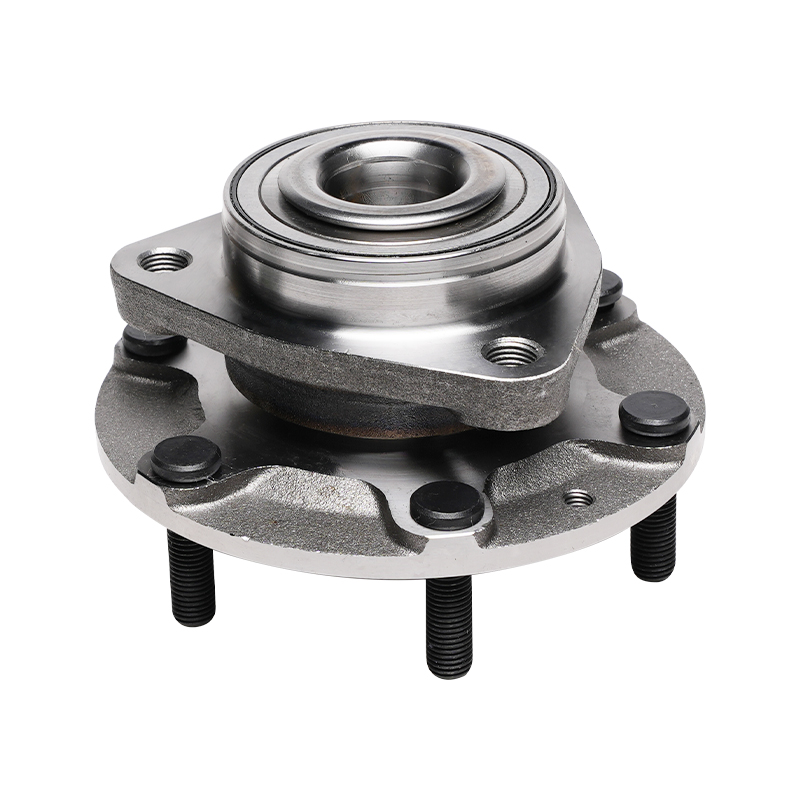
A wheel hub unit refers to the connection between the vehicle's tire and axle. It includes several key components, such as the hub, bearings, drive system, and sensors. Traditional wheel hub systems require separate installation of these components, while modern wheel hub units integrate these components into a sealed and efficient overall unit. This design not only improves ease of installation but also reduces maintenance difficulties and enhances system reliability.
The most critical part of the wheel hub unit is the high-performance bearing. It is responsible for bearing various loads during vehicle operation, including the vehicle's weight, load, and external impact forces. High-precision bearings ensure smooth rotation between the wheel and axle, reducing friction loss and thus improving fuel efficiency and driving stability.
In addition to bearings, wheel hub units often include sensors, especially those used in conjunction with systems such as vehicle speed and ABS (Anti-lock Braking System). These sensors can monitor the wheel's rotation status in real time and transmit data to the vehicle's electronic control system, providing drivers with real-time driving feedback and enhancing the vehicle's intelligence.
The main function of the wheel hub unit is to support the vehicle's wheels and ensure an effective connection between the tire and axle. Its working principle is based on the rotation of the bearings and the load distribution during vehicle movement. When the vehicle is in motion, the bearings in the wheel hub unit reduce friction, ensuring that the tires rotate smoothly and providing better handling performance. At the same time, sensors continuously monitor the wheel's status, promptly transmitting important operating information to help the vehicle's intelligent system make corresponding adjustments.
For modern cars, the performance of the wheel hub unit is crucial, especially under high-speed driving or extreme driving conditions. The design and quality of the wheel hub unit directly affect the vehicle's safety and stability. For example, the sensors in the wheel hub unit can provide real-time feedback on the wheel's status, which plays a key role in preventing wheel slippage and ensuring the normal operation of the ABS system.
Wheel hub units offer numerous advantages compared to traditional wheel hub systems. The integrated design of wheel hub units makes the installation process simpler. Traditional wheel hub systems require separate installation of bearings, hubs, sensors, and other components, while wheel hub units integrate these components, reducing installation time and complexity. The integrated design also effectively reduces friction and wear between components, thereby improving system reliability and durability.
Wheel hub units can effectively reduce maintenance and replacement costs. Due to the more compact and easily replaceable design, wheel hub units can be quickly replaced in case of failure, without the need to disassemble multiple components, saving time and costs for repair and maintenance.
The high-precision bearings and sensor technology of wheel hub units ensure stable performance in various complex driving environments. In high-speed driving, harsh weather conditions, frequent braking, and other situations, wheel hub units can fully utilize their advantages, ensuring that the vehicle maintains good handling and safety under various extreme conditions.
Choosing the right wheel hub unit is crucial for vehicle performance. When choosing, the quality of the wheel hub unit should be the primary consideration. High-quality wheel hub units have higher durability and stronger wear resistance, maintaining stable operation for a longer period.
The size and type of the wheel hub unit must match the vehicle type. Different vehicle models and brands have different requirements for the size and structure of wheel hub units, so it is essential to ensure that the selected wheel hub unit matches the vehicle's specifications.
The brand and technical support of the wheel hub unit are also important factors. Choosing a well-known brand of wheel hub unit not only guarantees product quality but also provides better after-sales service and technical support during use.
The wheel hub unit is primarily responsible for supporting the vehicle's wheels, ensuring smooth rotation between the wheel and the axle, reducing friction, and providing real-time data feedback for systems such as ABS.
The integrated design of wheel hub units makes installation simpler, maintenance easier, and also improves system reliability and durability.
High-quality wheel hub units reduce friction, improve handling, and enhance stability, thereby improving vehicle driving safety and comfort.
Wheel hub units are widely used in various types of vehicles, including passenger cars, commercial vehicles, and electric vehicles, and are designed and manufactured according to the specific vehicle model.
Regularly checking the working condition of the wheel hub unit and the wear of the bearings, keeping the wheel hub unit clean, and avoiding excessive load and improper use can effectively extend its service life.
As a crucial component in automotive technology, the wheel hub unit not only optimizes the design of traditional wheel hub systems but also significantly improves vehicle safety, stability, and intelligence. With the continuous development of the automotive industry, the technology of wheel hub units is also constantly advancing, and its application in electric vehicles and autonomous driving will become even more widespread in the future. For car owners, choosing the right wheel hub unit and performing proper maintenance will greatly enhance the driving experience and lifespan of their vehicles.
Request for a call today


Tel: +86 0575-87785959

E-mail: [email protected]

Add:Room 215, Building 3, No. 1887, Asia Pacific Road, Wenyan Street, Xiaoshan District, Hangzhou, Zhejiang, China
