 Search for products...

 English
 中文简体
中文简体
Looking For Business Opportunity?
Request for a call today
NEW
 2025.12.08
 Industry News
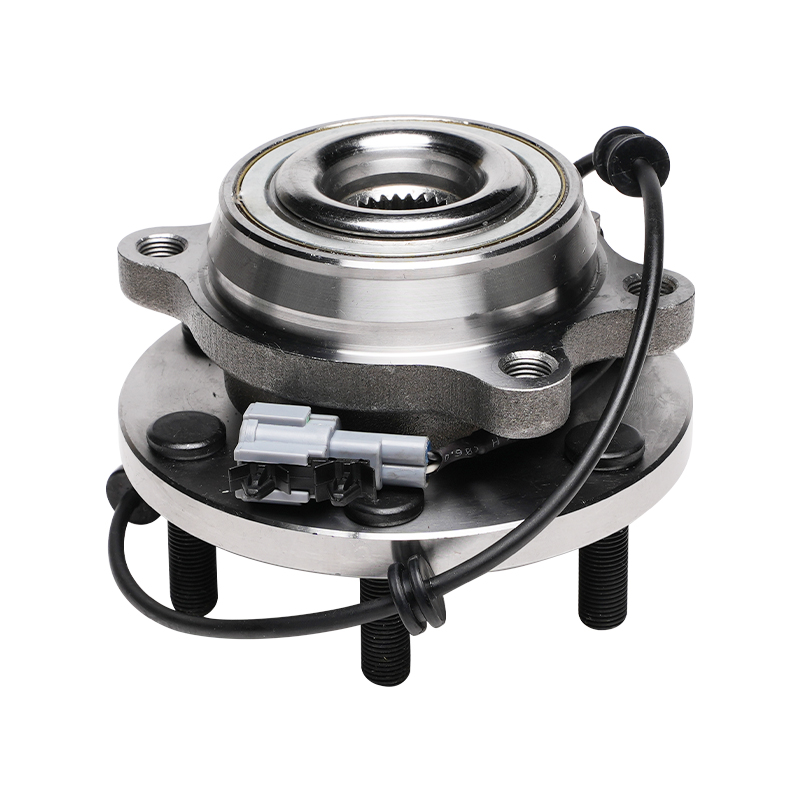
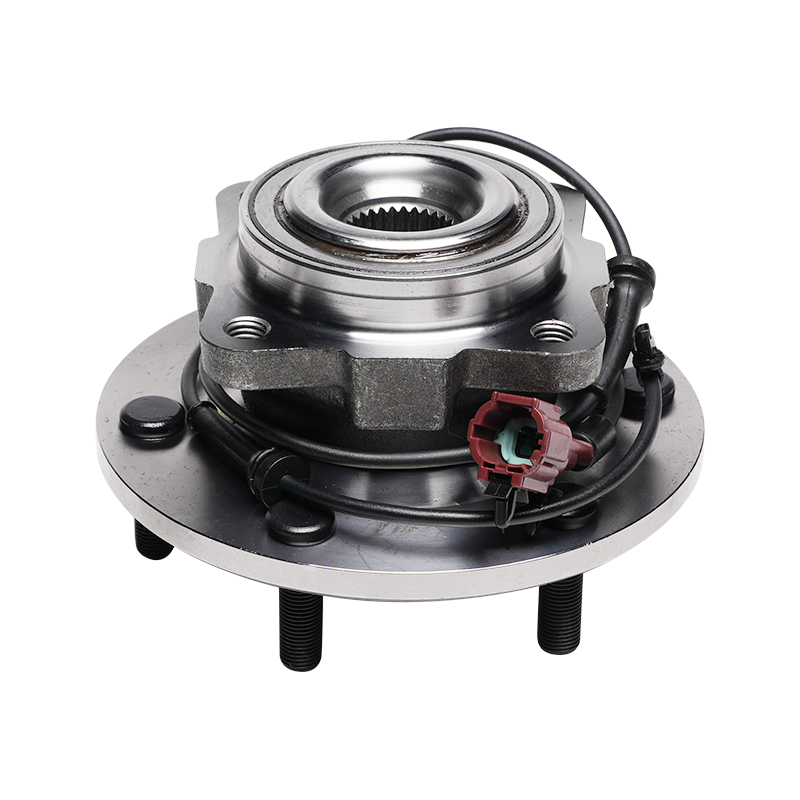
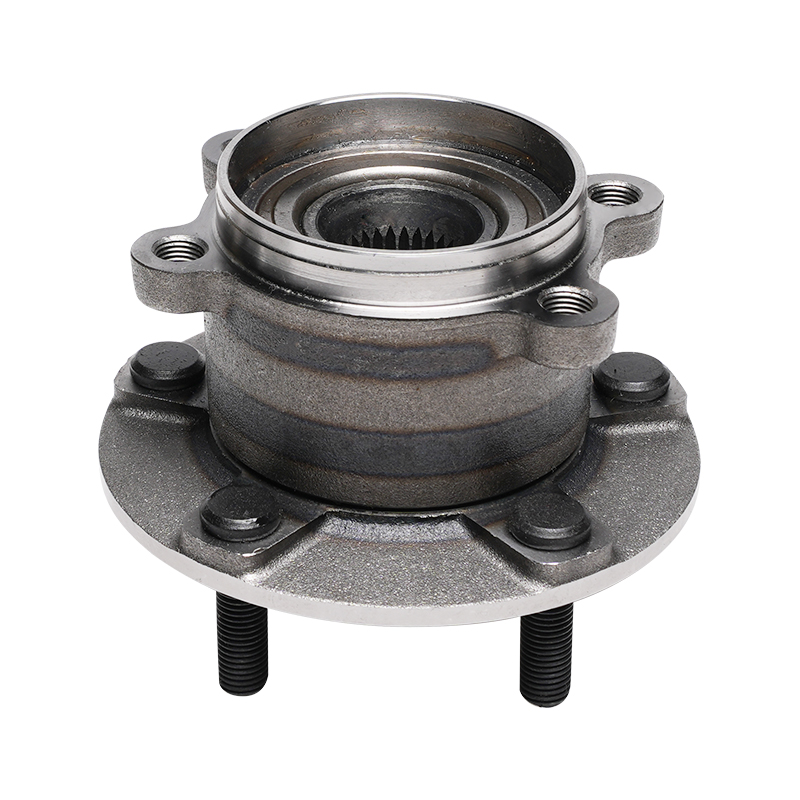
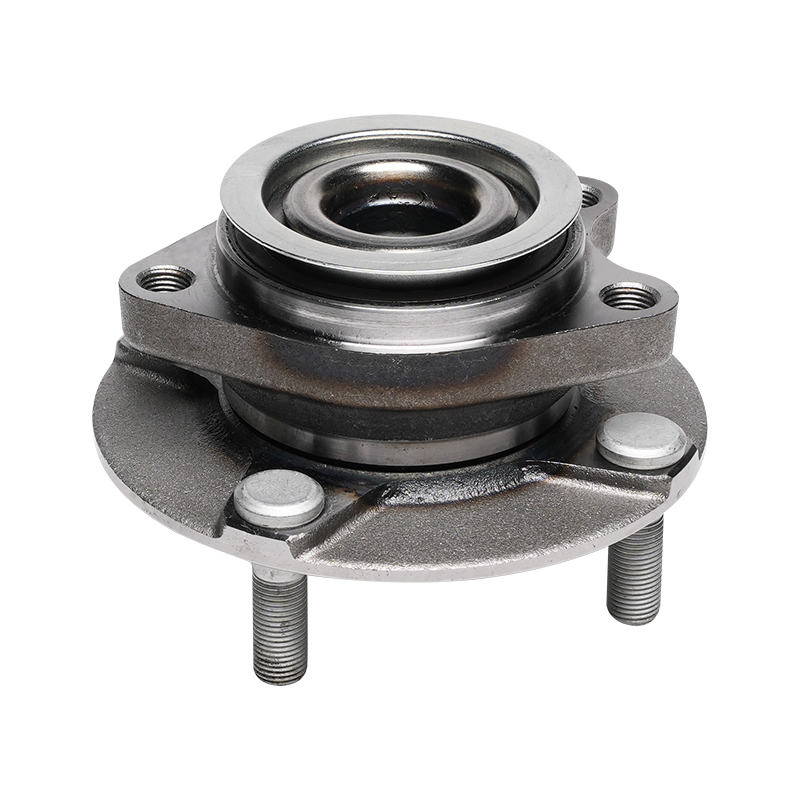
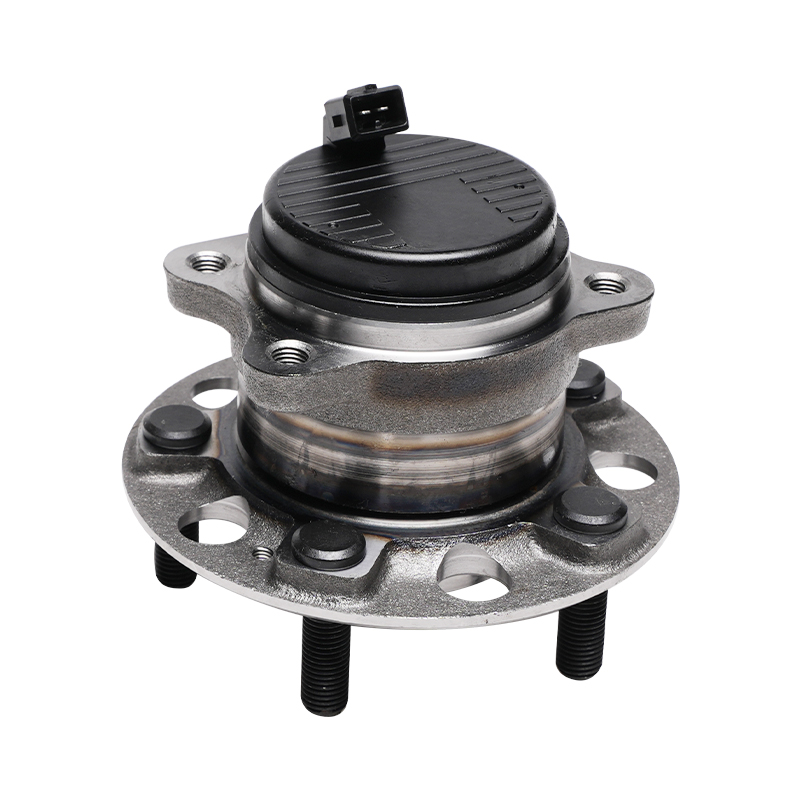
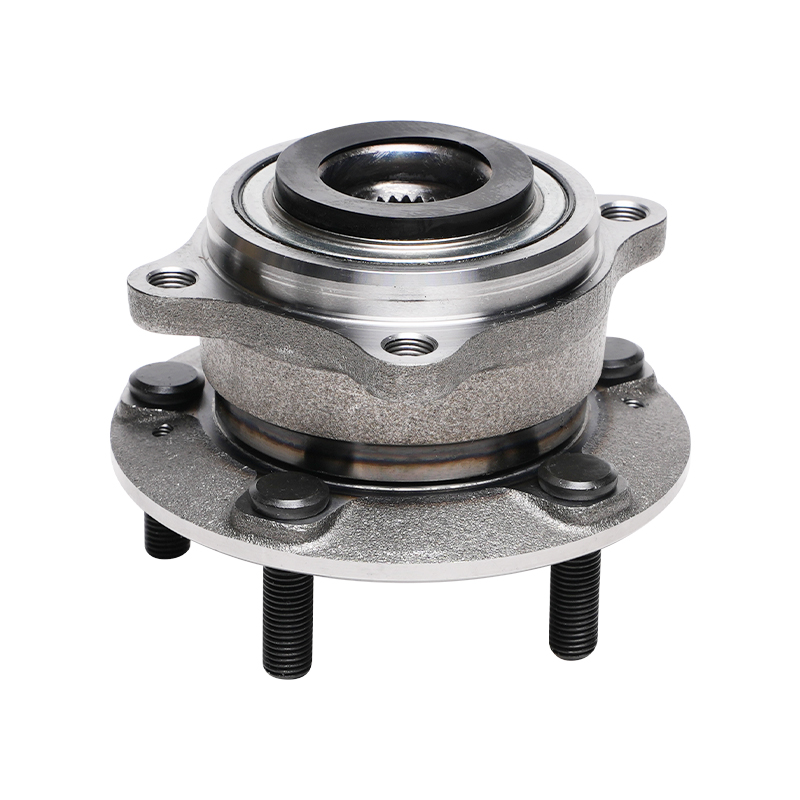
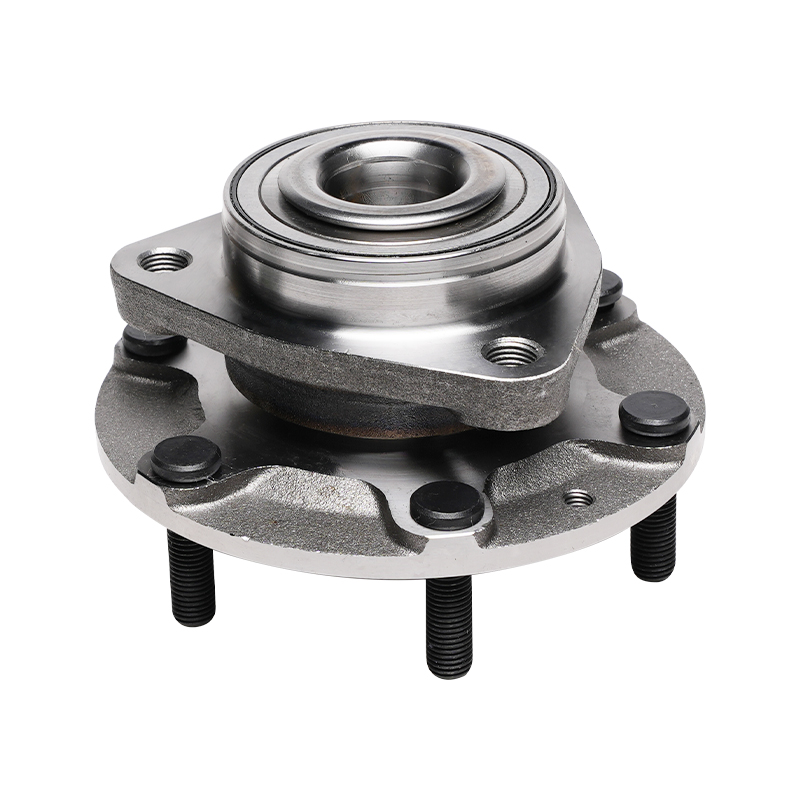
In the automotive component system, wheel hub bearings always play a crucial and demanding role. Japanese cars are renowned for their durability and stability, and Japanese Cars Wheel Hub Bearing enjoys a prestigious reputation globally.
Japanese car wheel hub bearings generally employ a compact, one-piece structure, emphasizing a balance between high strength and high precision. The structural design of the wheel hub bearing places great emphasis on the smoothness of the internal raceways and the matching degree of the balls; its machining precision directly affects the smoothness of operation. When the internal structure achieves a higher degree of tightness, the wheel hub can maintain good smoothness during high-speed rotation, reducing the accumulation of heat from friction, thus allowing the bearing's stability to be maintained over a long period.
The compact structure not only improves load-bearing capacity but also makes the wheel hub bearing more secure in its mounting position. With increased overall rigidity, the vehicle receives more direct feedback during acceleration, steering, and braking, resulting in more linear handling.
Japanese wheel bearings are widely recognized, primarily due to their rigorous material selection and processing techniques. Their main material is typically high-purity bearing steel, emphasizing toughness and uniformity. The more stable the internal structure of the material, the longer its fatigue life. High-purity steel is less prone to spalling and cracking during long-term use under repeated stress.
The most representative processing technique is heat treatment. Precise temperature control achieves an ideal balance between hardness and toughness. The precision grinding process of the outer and inner rings ensures a high degree of smoothness in the rolling contact area, keeping the internal coefficient of friction stable during long-term operation. This stability allows the wheel bearing to maintain excellent smoothness even under harsh road conditions, without significant vibration due to material fatigue.
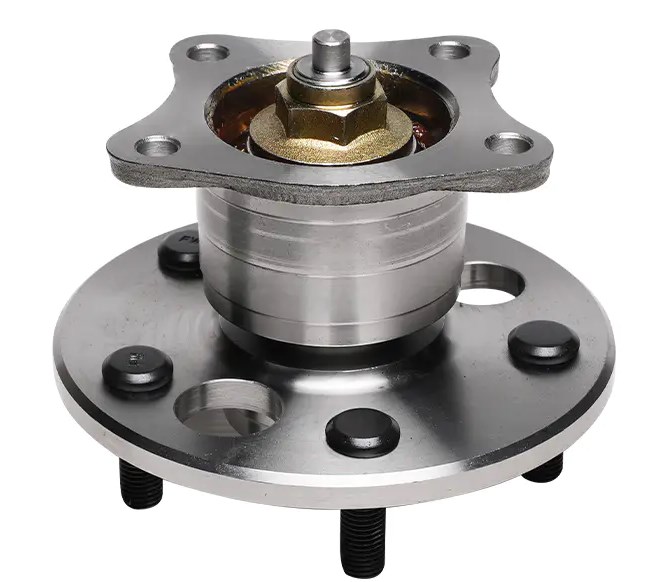
Japanese brands also have outstanding technical features in the design of their wheel bearing sealing structures. The seals fit tightly against the bearing channels, effectively preventing dust, moisture, and impurities from entering the internal lubrication area. Excellent sealing performance allows grease to remain in a stable working state for extended periods, reducing noise and resistance changes caused by lubrication degradation.
A well-designed seal means that wheel bearings maintain a clean working environment even in complex conditions, reducing wear and ensuring more consistent and reliable stability during driving. When the sealing structure and durable grease are properly matched, wheel bearings can maintain smooth, low-noise operation even after prolonged use.
Japanese automotive wheel bearings are often perceived as quiet. Precision machining and rigorous testing ensure even force distribution on the balls during operation, reducing vibration sources and lowering noise to an almost imperceptible level. When the vehicle is cruising at high speeds, stable rotation creates a cleaner noise environment in the cabin, thus improving the overall driving experience.
This enhanced comfort is not an added bonus, but a natural result of Japanese bearing manufacturers' long-standing commitment to precision manufacturing. Stable noise levels not only reflect product quality but also affect the overall durability of the vehicle, as lower noise often means less wear and a more balanced load.
Japanese wheel bearings typically boast a longer service life, which is closely related to their materials, manufacturing processes, sealing, and precision. During long-term vehicle use, when the raceways and balls remain in good condition, the bearing's wear rate decreases significantly, thus reducing the risks associated with aging.
Japanese wheel bearings also excel in maintenance value. Their mature integrated design ensures long-term durability and high stability, resulting in lower overall vehicle lifespan costs. Owners can enjoy a consistently stable driving experience without frequent maintenance or replacements.
The relationship between wheel bearings and vehicle safety systems is often overlooked. Stable bearings transmit signals more accurately, providing precise data for braking, steering, and vehicle attitude systems. The precision and durability of Japanese bearings make these signals more reliable, indirectly improving overall vehicle safety.
The widespread recognition of Japanese automotive wheel bearings stems from their systematic advantages in structural design, material selection, manufacturing processes, sealing performance, service life, and safety contributions. This not only gives it long-term stability but also outstanding performance in driving feel, noise control, and reliability. From the product's perspective, the comprehensive value exhibited by Japanese wheel bearings is a key reason why they have become the industry's quality benchmark.
Due to high-precision machining and a stable raceway structure, the rolling elements are subjected to uniform stress, reducing vibration sources.
The key lies in high-purity materials, rigorous heat treatment processes, and reliable sealing structures, ensuring a stable internal environment over the long term.
Under normal operating conditions, they can maintain stability for a long time. Daily monitoring can be done by observing changes in noise during driving and the steering feel.
Request for a call today


Tel: +86 0575-87785959

E-mail: [email protected]

Add:Room 215, Building 3, No. 1887, Asia Pacific Road, Wenyan Street, Xiaoshan District, Hangzhou, Zhejiang, China
