 Search for products...

 English
 中文简体
中文简体
Looking For Business Opportunity?
Request for a call today
NEW
 2026.06.08
 Industry News
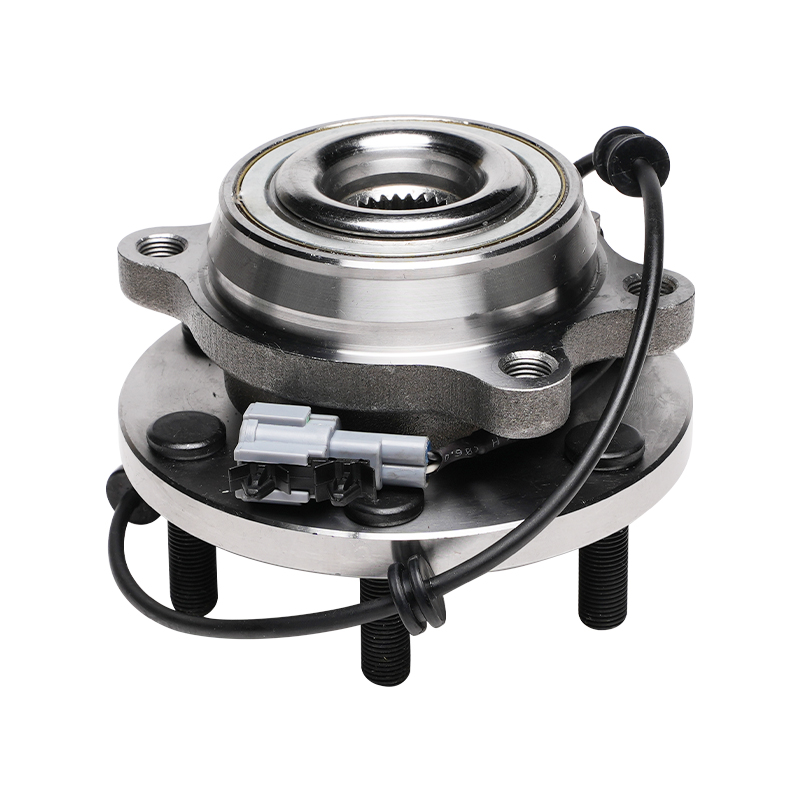
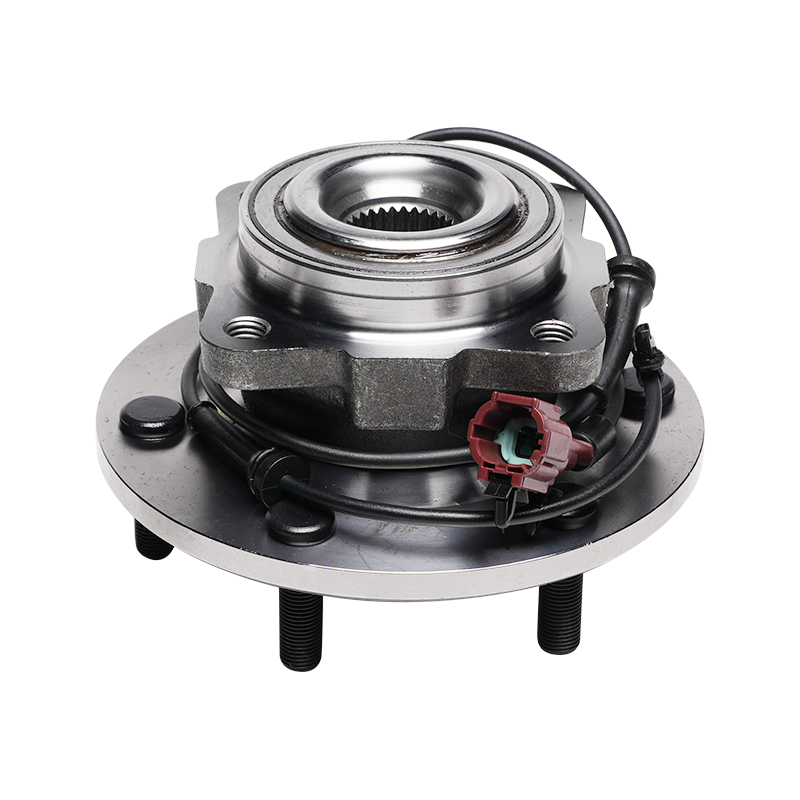
A wheel hub bearing manufacturer serves as a cornerstone in the automotive supply chain, responsible for producing components that are fundamental to vehicle dynamics, safety, and fuel efficiency. These manufacturers do not merely assemble metal parts; they engineer complex units that allow the wheels to rotate with minimal friction while supporting the entire weight of the vehicle. The importance of this component cannot be overstated, as a failure in the wheel hub bearing can lead to the wheel separating from the vehicle, causing catastrophic accidents. Consequently, the manufacturing process is governed by rigorous engineering standards and precision tolerances that leave no room for error.
Modern vehicles demand increasingly sophisticated hub bearing units. Unlike older generations that required regular maintenance and greasing, contemporary units are typically sealed for life. This evolution places a heavier burden on the manufacturer to ensure longevity and reliability under diverse driving conditions. From the initial selection of raw materials to the final packaging, every step in the production line is designed to maximize performance and durability. The reliability of a vehicle's steering and braking systems is directly dependent on the quality of the hub bearings installed.
The longevity of a wheel hub bearing begins with the raw materials used in its construction. Manufacturers primarily utilize high-grade steel, specifically engineered to withstand immense loads and resist fatigue. The choice of material is not arbitrary; it involves a deep understanding of metallurgy to ensure the steel can handle the repetitive stress of rotation and the impact of road irregularities.
A critical aspect of the material phase is the heat treatment process. Through processes such as carburizing or induction hardening, the surface of the bearing races and rolling elements is hardened to resist wear, while the core remains tough to absorb shocks without cracking. This differential hardness is essential for preventing spalling and pitting, which are common forms of bearing failure. Precise control of temperature and time during heat treatment determines the ultimate fatigue life of the component.
Furthermore, the seals used in these assemblies are made from advanced synthetic rubbers designed to operate across a wide temperature range without degrading. These materials must retain their elasticity to prevent contaminants like water and dust from entering the bearing while retaining the lubricant inside.
The manufacturing of wheel hub bearings is an exercise in precision. The rolling elements—whether balls, rollers, or tapered rollers—must be perfectly spherical or cylindrical to ensure smooth operation. Even microscopic deviations from the ideal geometry can generate noise, vibration, and heat, leading to premature failure. Manufacturers utilize automated grinding machines that can achieve tolerances measured in microns to shape the raceways and rolling elements.
Super-finishing is a subsequent step that further refines the surface of the raceways. This process creates a mirror-like finish that significantly reduces friction and noise. The smoother the surface, the less heat is generated during operation, which preserves the integrity of the lubricant. Manufacturing tolerances for hub bearings are often tighter than a human hair, ensuring a perfect fit and smooth rotation.
Automation plays a significant role in maintaining consistency. Human intervention, while necessary for oversight, is minimized in the actual machining processes to eliminate variability. Robotic arms handle the movement of parts between stations, reducing the risk of contamination or damage that can occur with manual handling.
A reputable wheel hub bearing manufacturer implements a multi-layered quality control system. This system starts with the inspection of incoming raw materials and continues through the production line to the finished product. Statistical Process Control (SPC) is often employed to monitor manufacturing processes in real-time, allowing engineers to detect and correct trends before they result in defective parts.
Functional testing is the final gatekeeper before shipment. These tests simulate the conditions the bearing will face in the real world. One common test is the run-out measurement, which checks for wobble in the rotating assembly. Excessive run-out can cause vibration in the steering wheel and uneven tire wear. Another critical test involves measuring the starting torque, which ensures the bearing is not too tight or too loose.
td style="display: table-cell; border: 1px solid #cccccc; padding: 8px;">Measure acoustic levels| Test Type | Primary Objective | Failure Mode Detected |
|---|---|---|
| Dimensional Inspection | Verify geometric accuracy | Misalignment, poor fit |
| Metallurgical Analysis | Check the material structure | Incorrect hardening, impurities |
| Fatigue Life Testing | Simulate extended usage | Premature spalling, cracks |
| Noise & Vibration | Roughness, contaminant damage |
End-of-line testing often includes 100% inspection of noise and vibration levels using acoustic chambers. Highly sensitive microphones pick up irregularities that the human ear might miss. By filtering out specific frequency ranges, technicians can identify issues like damaged seals or dirty grease. Only components that pass every single parameter within the specified tolerance range are approved for shipment.
The industry has seen a distinct evolution in the design of hub bearings, categorized into generations. Understanding these generations helps clarify the capabilities of modern manufacturers.
These are essentially single-row angular contact ball bearings. They consist of an inner and outer ring with balls and a cage in between. They must be handled with care during installation as they are separate components. The bearing is pressed into the hub, requiring precise alignment to avoid damage.
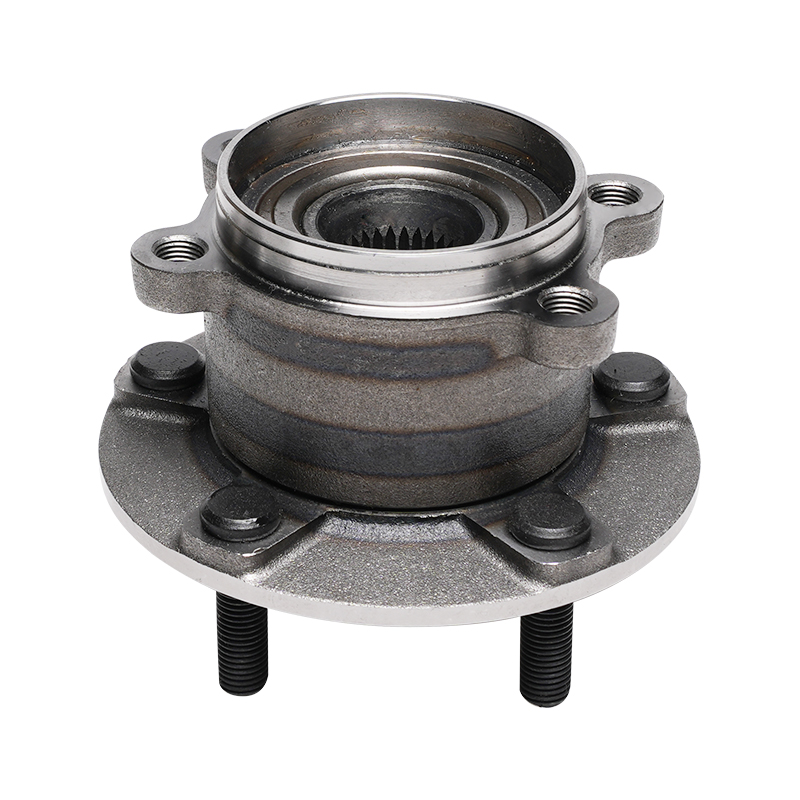
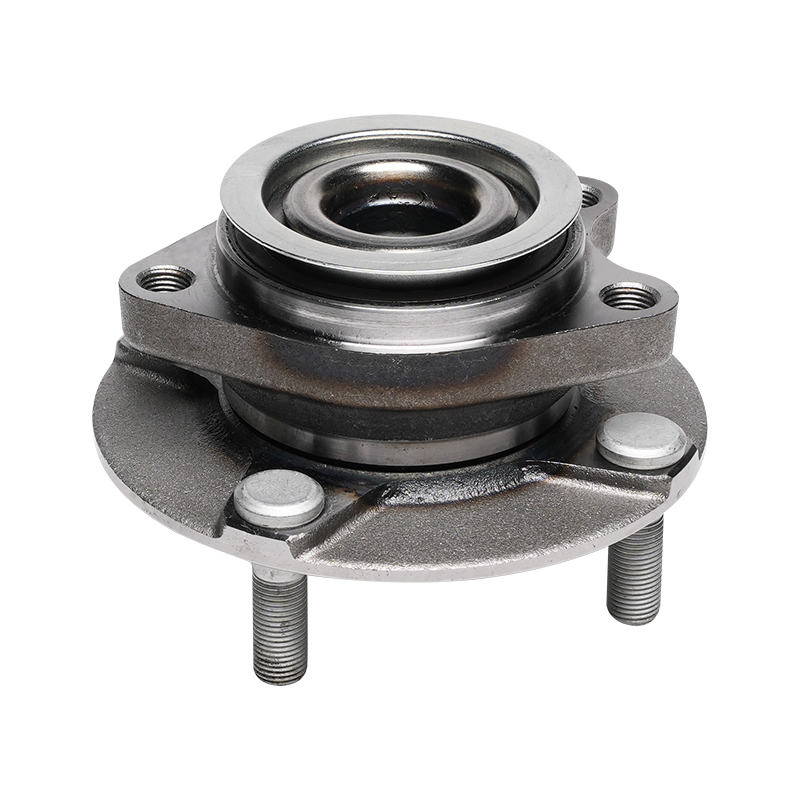
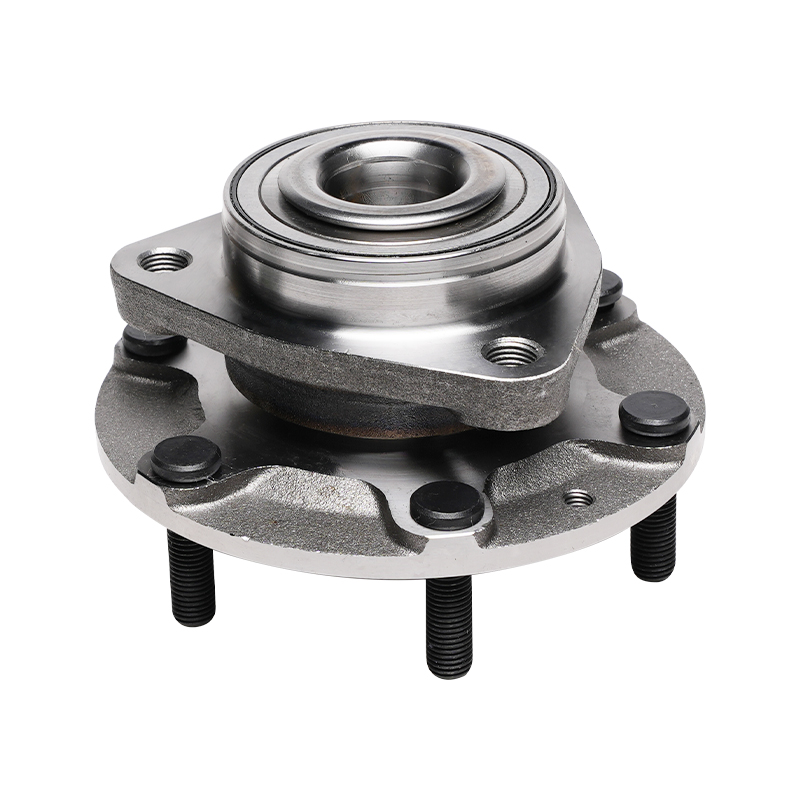
In this iteration, the flange is integrated directly onto the outer ring of the bearing. This design simplifies the assembly process for vehicle manufacturers (OEMs) and improves attachment to the suspension. It reduces the number of loose parts involved in the installation.
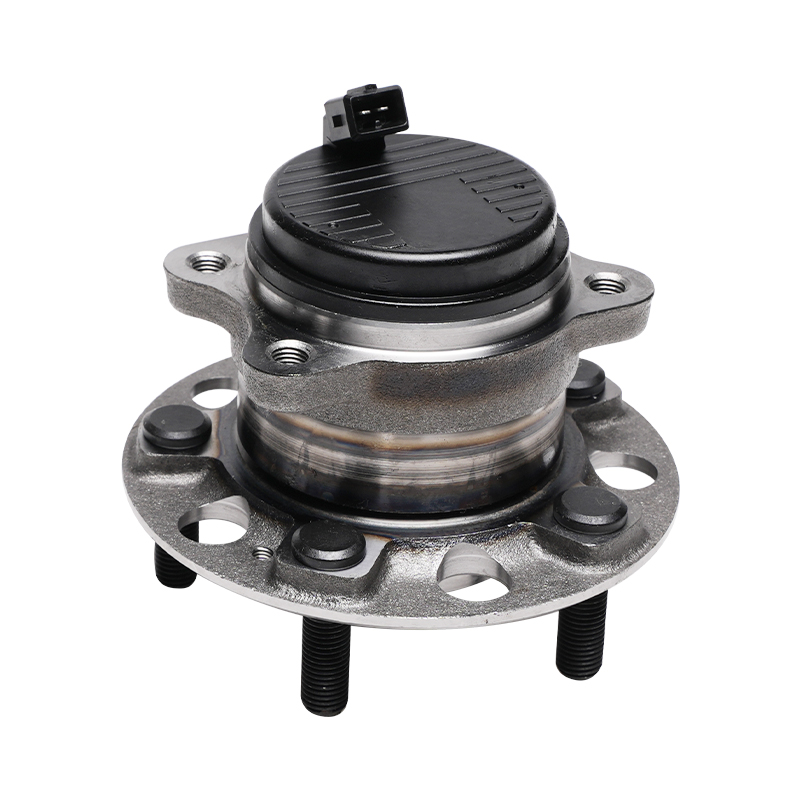
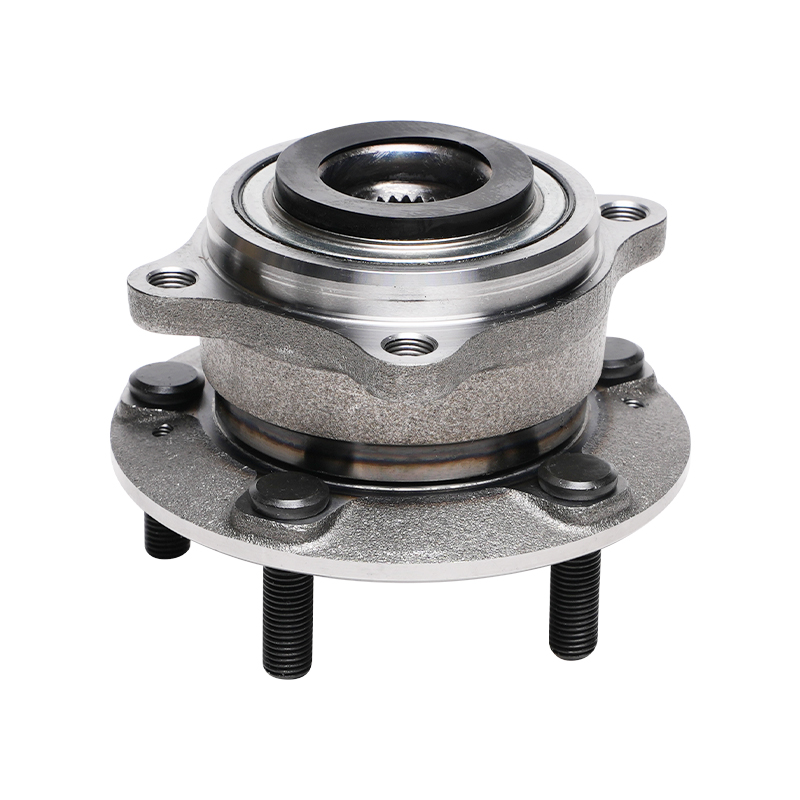
Gen 3 bearings represent the pinnacle of integration for non-driven wheels. Both the inner and outer rings have flanges. The inner flange bolts to the knuckle, while the outer flange holds the wheel and brake rotor. This creates a compact, lightweight, and highly rigid assembly.
Since most modern wheel hub bearings are "maintenance-free," the lubrication packed inside during manufacturing must last the life of the component. Manufacturers use specially formulated greases that contain base oils and thickeners tailored for specific operating temperatures and loads.
The chemistry of the grease is vital. It must have high mechanical stability to resist being churned into a liquid by the rotation of the balls or rollers. If the grease breaks down, the metal components will make contact, leading to rapid wear. High-temperature stability is also required to prevent the grease from melting and leaking out during heavy braking or highway driving.
Equally important is the seal design. The seal acts as the guardian of the bearing. Multi-lip seals are common, where one lip retains the grease and another blocks external contaminants. Advanced manufacturers design seals with low friction to reduce fuel consumption, as even the drag of a seal can impact overall vehicle efficiency over time.
When discussing manufacturing, it is essential to distinguish between Original Equipment Manufacturer (OEM) standards and the broader aftermarket. OEM manufacturers must adhere to the exact specifications provided by the automotive companies. These specifications are incredibly demanding, often requiring audit of the factory's quality management systems (such as IATF 16949 certification).
While aftermarket manufacturers provide necessary replacements for the repair market, the gap in quality can vary significantly. High-quality aftermarket manufacturers often reverse-engineer OEM parts to meet or exceed the original specifications. However, lower-tier manufacturers might cut corners on material quality or heat treatment to reduce costs. This can result in a bearing that fits physically but fails prematurely due to material fatigue. A reliable manufacturer maintains consistent quality standards regardless of whether the part is destined for the assembly line or the repair shop.
The landscape of wheel hub bearing manufacturing is shifting with the rise of electric vehicles (EVs). EVs are heavier than their internal combustion counterparts due to the battery packs, placing higher loads on the bearings. Additionally, the instant torque delivered by electric motors places unique stress on the drivetrain components. Manufacturers are responding by developing bearings with higher load capacity and optimized stiffness.
Another emerging trend is the "smart bearing." By integrating sensors into the hub unit, manufacturers can provide real-time data on wheel speed, load, and temperature. This information is crucial for advanced driver-assistance systems (ADAS) and autonomous driving technologies. The sensor embedded in the bearing ring can communicate with the vehicle's ECU to enhance stability control and anti-lock braking system performance.
Furthermore, sustainability is becoming a priority. Manufacturers are exploring ways to reduce the environmental footprint of their production processes, from using eco-friendly lubricants to optimizing energy consumption in heat treatment furnaces. The future of wheel hub bearing manufacturing lies in the convergence of durability, digital integration, and environmental responsibility.
Request for a call today


Tel: +86 0575-87785959

E-mail: [email protected]

Add:Room 215, Building 3, No. 1887, Asia Pacific Road, Wenyan Street, Xiaoshan District, Hangzhou, Zhejiang, China
