 Search for products...

 English
 中文简体
中文简体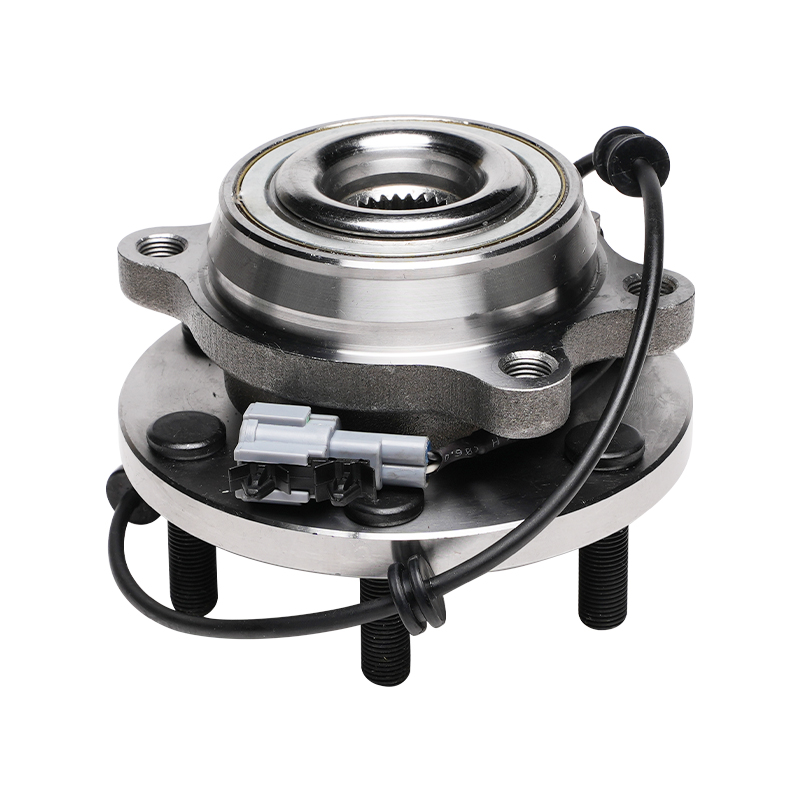
Looking For Business Opportunity?
Request for a call today
NEW
 Home / News / Industry News / What are the features of Japanese car wheel hub bearings made for replacement?
 2026.06.15
 Industry News
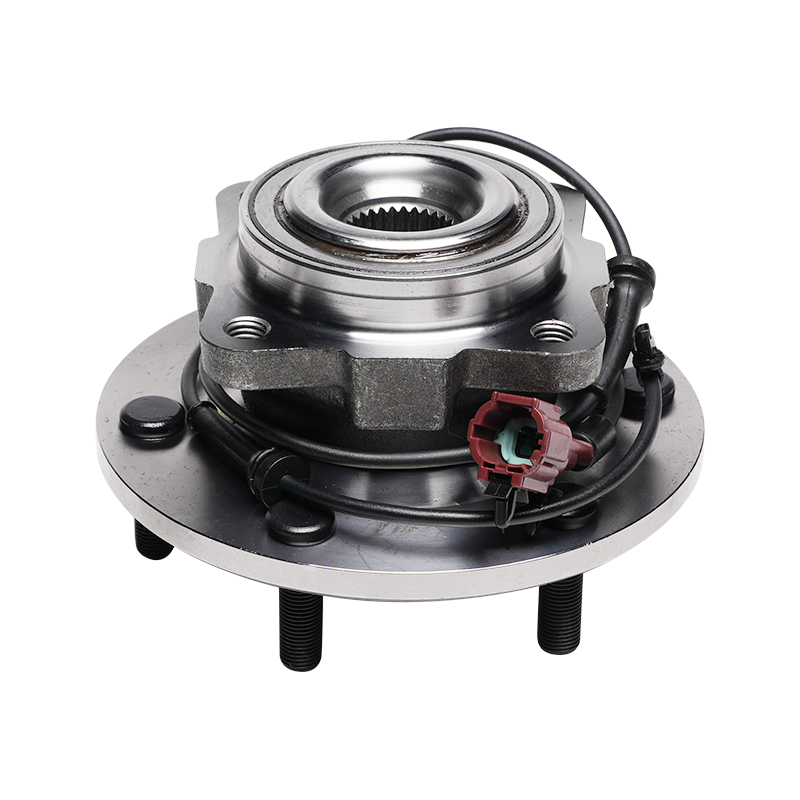
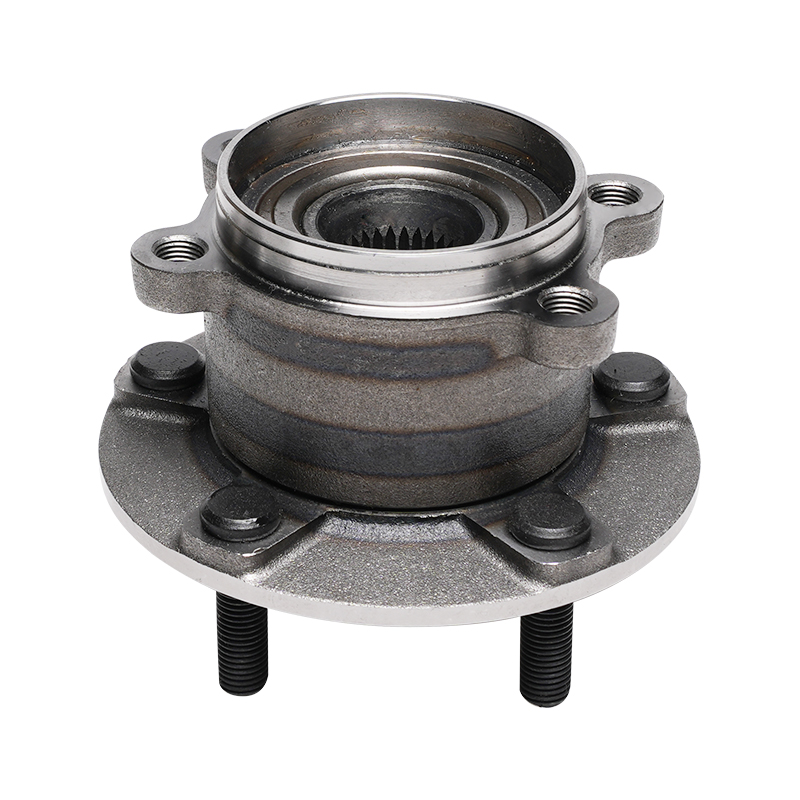
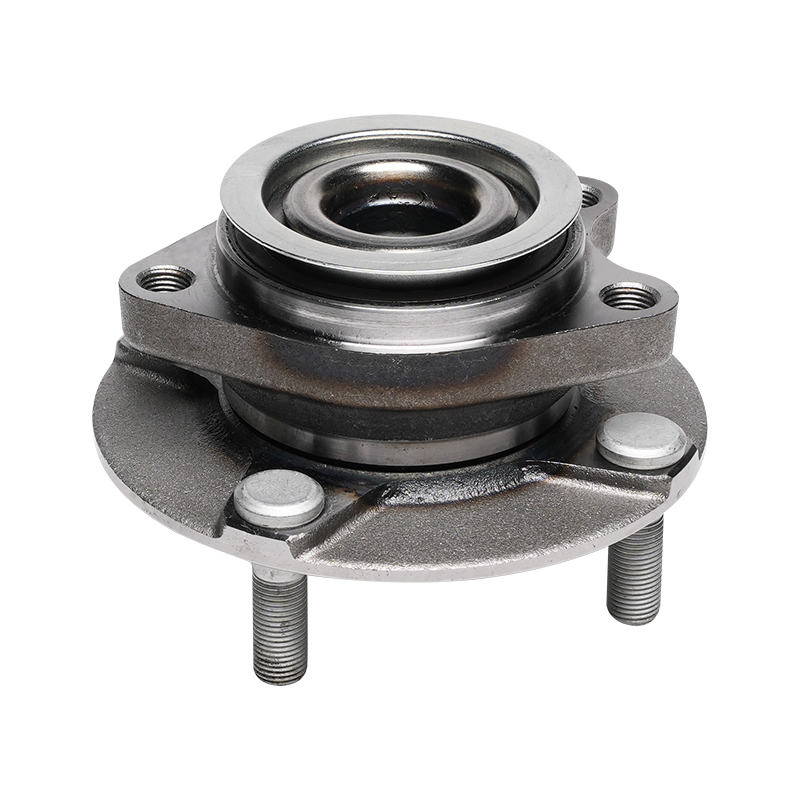
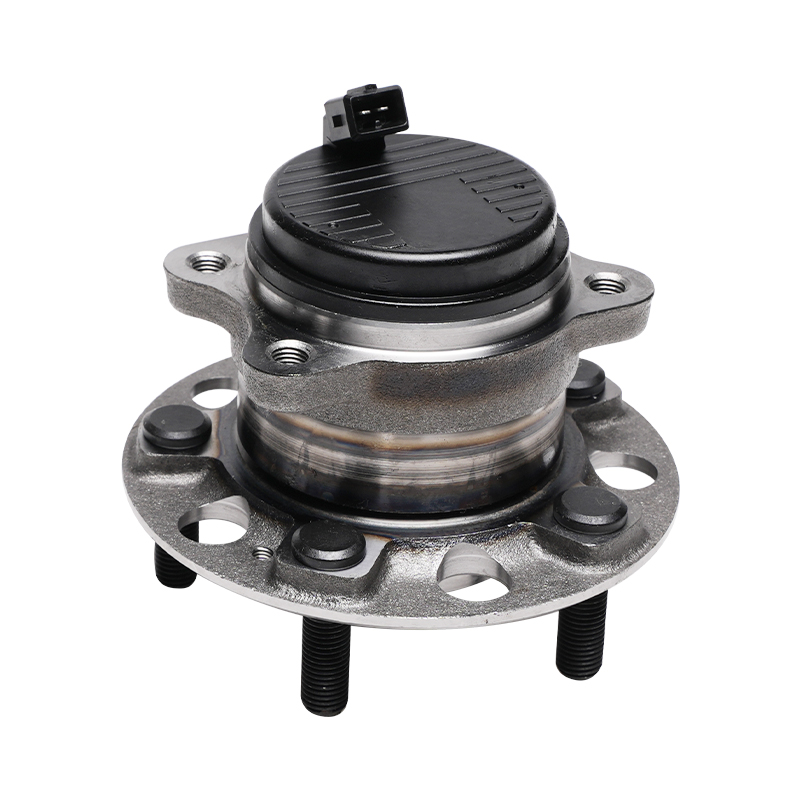
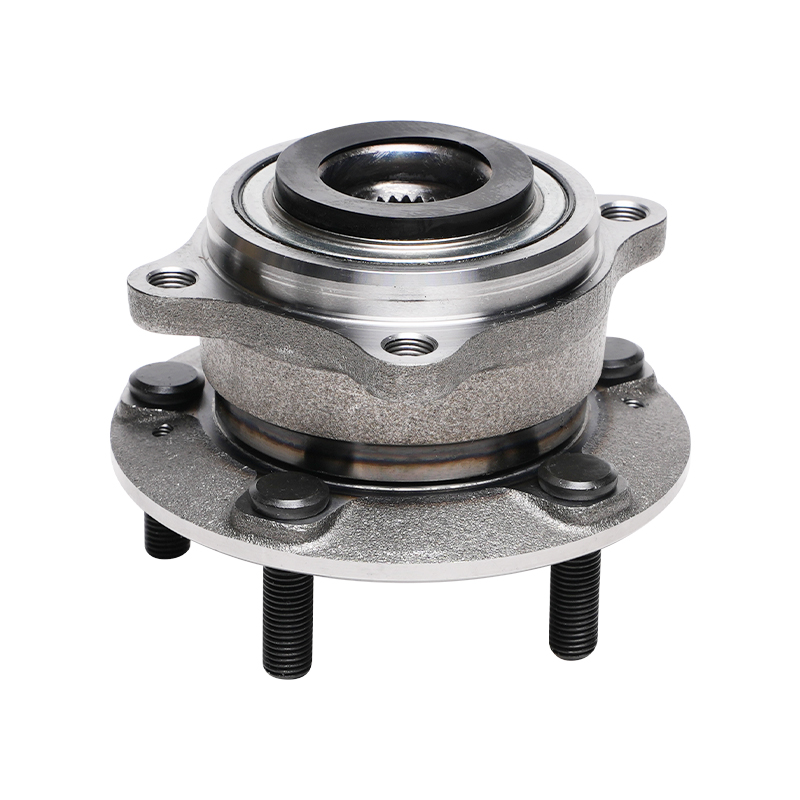
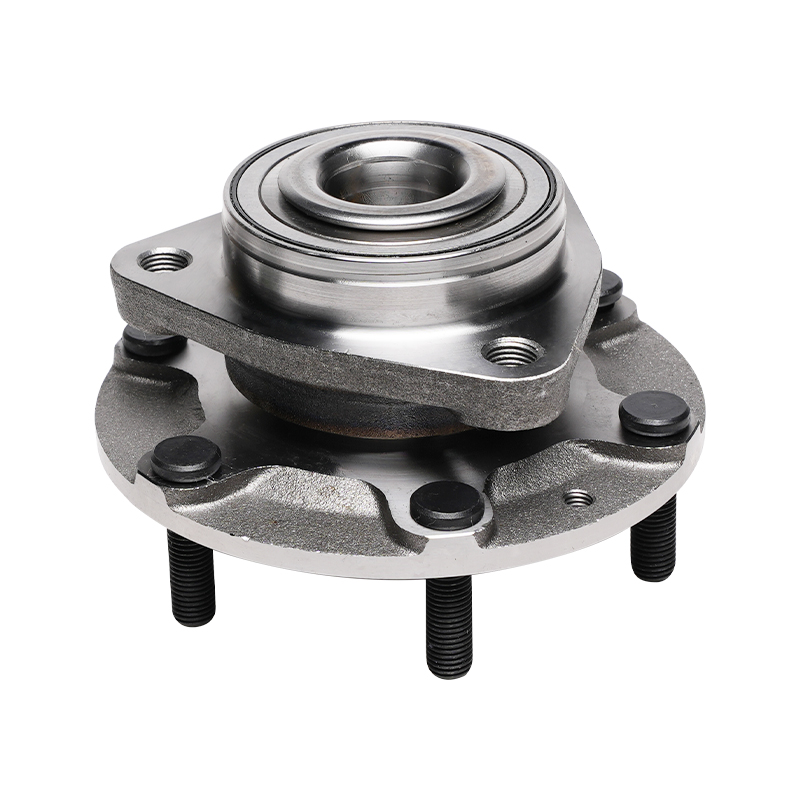
The independently produced Japanese car wheel hub bearings are professional aftermarket replacement parts tailored for Japanese vehicle chassis parameters, not imported Japanese-manufactured bearings. These customized hub bearings fully match the assembly standards, load parameters and driving characteristics of mainstream Japanese passenger cars and light commercial vehicles. With a qualified pass rate of over 98% in professional performance tests, they can completely replace original hub bearings, featuring stable operation, strong wear resistance and excellent environmental adaptability, meeting daily commuting, long-distance driving and complex road condition use demands of Japanese cars.
Different from universal hub bearings on the market, our Japanese car-specific hub bearings are optimized according to the lightweight chassis design and frequent start-stop driving habits of Japanese vehicles. The overall structural precision and friction control indicators are adjusted in a targeted manner, effectively solving common problems such as abnormal noise and loose rotation of generic bearings after long-term use, and achieving a service life close to that of original parts.
Japanese cars are famous for lightweight body design and precise chassis matching, so their supporting wheel hub bearings have strict requirements on structural compactness, weight control and rotational precision. The independently produced Japanese car wheel hub bearings adopt a optimized integrated structure, which is perfectly compatible with the hub installation grooves, bolt spacing and axle fit size of Japanese vehicle models.
This type of hub bearing adopts a double-row angular contact ball structure, which is the mainstream structural form suitable for front and rear wheels of most Japanese cars. Compared with split bearings, the integrated design effectively reduces assembly gaps and improves the overall rigidity of the hub assembly. The structural tolerance is controlled within 0.01mm, which ensures no jamming or offset during high-speed rotation, and maintains stable wheel running track.
Combined with the actual driving environment of most vehicles, the hub bearing is equipped with a multi-layer composite sealing structure. The outer layer is a wear-resistant rubber sealing ring, and the inner layer is a metal dust-proof cover, which can effectively block rainwater, dust, sediment and other impurities from entering the bearing interior. This structure solves the defect of poor sealing of ordinary bearings, and greatly reduces the failure rate caused by internal dirt accumulation.
In line with the lightweight design concept of Japanese cars, the bearing shell is optimized for hollowing and thinning on the premise of ensuring structural strength. It reduces the unsprung weight of the vehicle, improves steering flexibility and fuel economy, while ensuring sufficient bearing capacity to cope with daily load changes and bumpy road impacts.
Aftermarket Japanese car wheel hub bearings have undergone multiple professional performance tests, and their core indicators are fully adapted to the operating characteristics of Japanese vehicles. Compared with universal hub bearings, they have obvious advantages in wear resistance, high temperature resistance and stability.
| Performance Indicators | Japanese Car-Specific Bearings | Universal Bearings |
|---|---|---|
| High-Speed Stability | No vibration at conventional driving speed | Slight vibration at high speed |
| Wear Resistance | Long-term use with low wear | Easy to wear after 20,000km |
| Low-Temperature Adaptability | Normal rotation in low temperature environment | Slightly stuck in low temperature |
| Noise Control | Nearly silent operation | Easy to produce abnormal noise |
The bearing core parts are made of high-strength alloy materials with special heat treatment process, which improves the surface hardness and internal toughness of the bearing. The fatigue resistance is increased by more than 30% compared with ordinary bearings, which can resist the repeated impact load generated by frequent braking and starting of Japanese cars, and avoid premature fatigue damage of bearings.
In view of the complex seasonal temperature changes in various usage scenarios, the bearing grease is specially formulated, which will not dilute and leak at high temperatures or solidify and stagnate at low temperatures. It can maintain stable lubrication performance in different temperature environments, ensuring the flexible rotation of the hub bearing and avoiding driving safety hazards caused by lubrication failure.
Through precise polishing of the bearing roller and raceway surface, the internal friction coefficient is effectively reduced. Low friction operation reduces the running resistance of the wheels, which is consistent with the energy-saving design concept of Japanese cars, helping to reduce vehicle power consumption and improve overall driving economy.
In the daily use of Japanese cars, hub bearings may have abnormal problems due to driving habits, road conditions and maintenance factors. Understanding the common failure causes can help users avoid damage and extend the service life of customized hub bearings.
The independently produced Japanese car wheel hub bearings have high durability, but standardized daily maintenance can further extend their service life and ensure driving safety. The following targeted maintenance methods are formulated according to the operating characteristics of Japanese car hub bearings.
When replacing hub bearings for Japanese cars, targeted selection according to vehicle model parameters and usage scenarios can ensure matching degree and service performance. The customized aftermarket hub bearings are developed for Japanese vehicle chassis parameters, with high matching accuracy.
First of all, it is necessary to confirm the assembly parameters of the vehicle hub, including installation aperture, bolt pitch and bearing installation thickness. The specialized Japanese car wheel hub bearings have complete parameter specifications, covering most mainstream Japanese sedan and SUV models, which can realize precise plug-and-play replacement without secondary modification.
Secondly, select bearings according to daily driving scenarios. For urban daily commuting models, standard-version hub bearings can meet the demand; for vehicles that often drive on mountain roads, rural roads and other complex road conditions, heavy-duty enhanced hub bearings are recommended. The enhanced version has higher structural strength and impact resistance, which can adapt to harsher driving environments and effectively prolong the service cycle.
In addition, focus on the production process and quality inspection standards of bearings. Qualified aftermarket Japanese car hub bearings must pass strict precision detection, wear test and sealing test. The stable product quality can ensure long-term safe operation of the wheel hub system, avoid frequent replacement, and reduce later vehicle maintenance costs.
Request for a call today


Tel: +86 0575-87785959

E-mail: [email protected]

Add:Room 215, Building 3, No. 1887, Asia Pacific Road, Wenyan Street, Xiaoshan District, Hangzhou, Zhejiang, China
