 Search for products...

 English
 中文简体
中文简体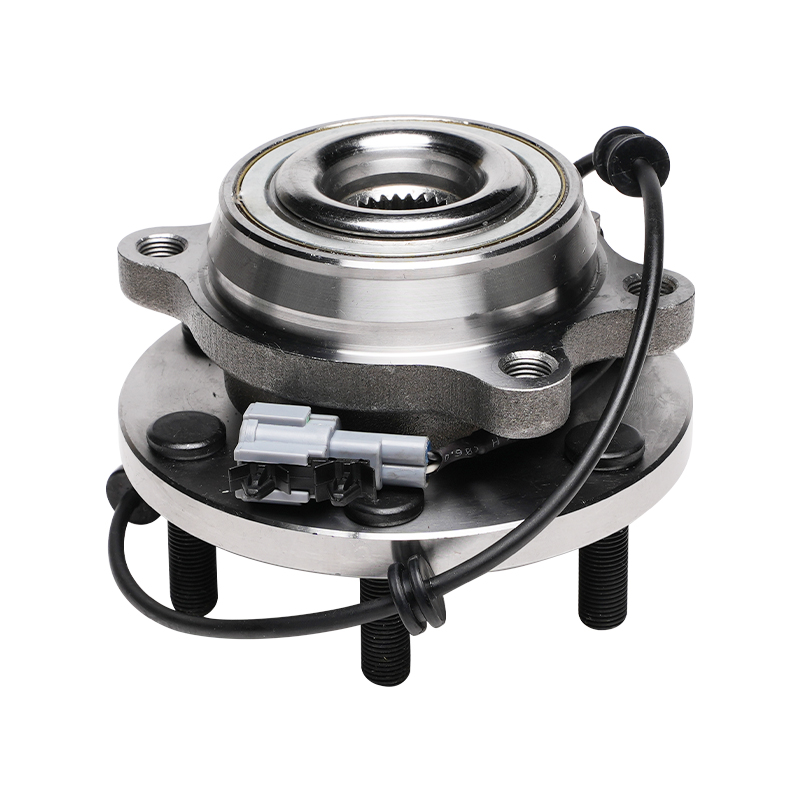
Looking For Business Opportunity?
Request for a call today
NEW
 Home / News / Industry News / Is your car chassis making increasingly loud noises? Should you replace the wheel hub units?
 2026.05.08
 Industry News
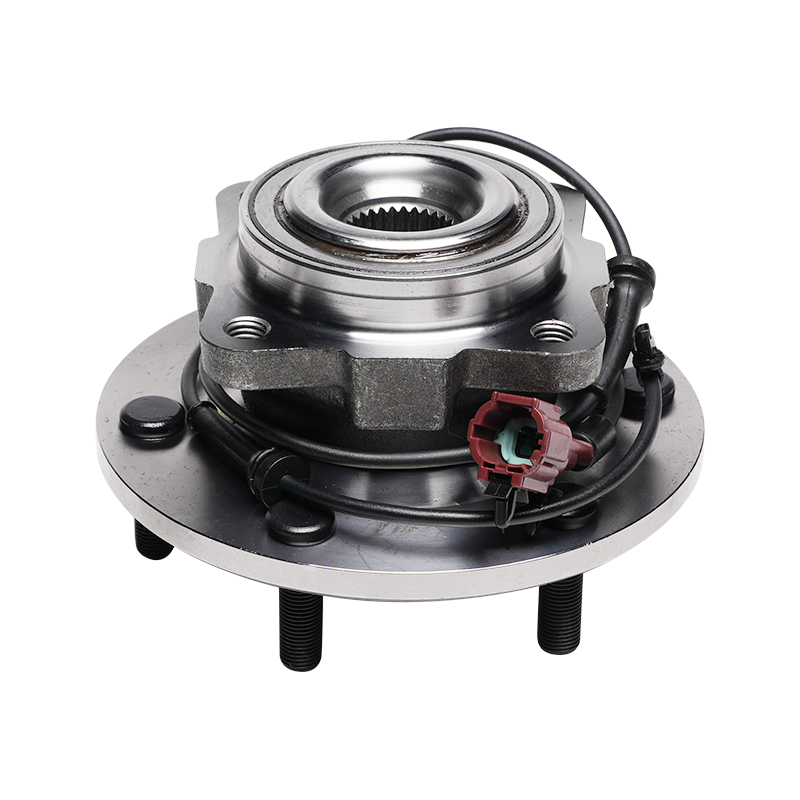
Wheel hub units are the foundational components that connect the vehicle to its wheels, bearing the entire weight while allowing smooth rotation. Without a properly functioning hub unit, a vehicle cannot safely transmit driving torque, support cornering forces, or maintain structural integrity under heavy loads. They are not merely passive brackets; they integrate highly engineered bearing packs, sensors, and mounting flanges into a single, cohesive assembly. When these units fail, the consequences range from annoying noises and vibrations to catastrophic wheel detachment, making their condition directly linked to passenger safety.
Modern wheel hub units serve multiple critical functions simultaneously. They must support the radial load, which is the vertical weight pressing down on the wheel, and the axial load, which is the lateral force generated during cornering. Furthermore, the hub unit acts as the primary mounting point for the brake rotor and the wheel itself. In front-wheel-drive and many modern all-wheel-drive vehicles, the hub unit also contains the splined interface that connects the CV axle to the wheel, transmitting the engine's power to the ground. Because of this complex combination of structural and dynamic duties, the engineering tolerances and material strength of these units are subjected to extreme demands during everyday driving.
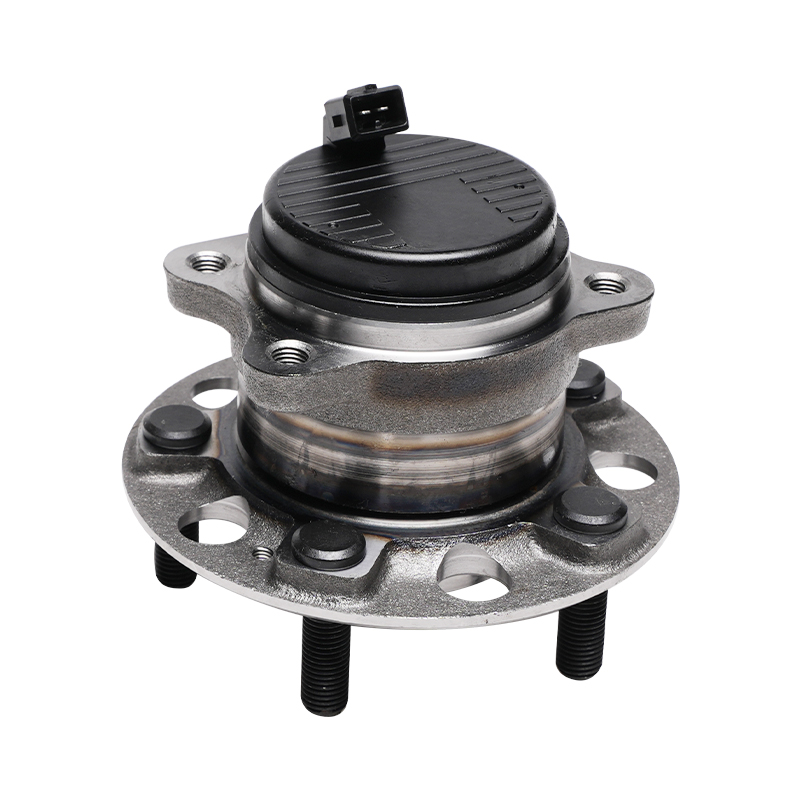
In addition to mechanical support, contemporary hub units play an essential role in the vehicle's electronic safety systems. Most modern units incorporate a wheel speed sensor directly into the hub assembly. This sensor continuously monitors the rotational speed of the wheel and sends this data to the Anti-lock Braking System (ABS) and the Electronic Stability Control (ESC) modules. Without accurate data from the hub unit's sensor, these computer systems cannot modulate brake pressure or reduce engine torque to prevent skidding or loss of control. Therefore, the hub unit bridges the gap between pure mechanical operation and advanced electronic safety intervention.
The design of wheel hub assemblies has evolved significantly over the decades, driven by the automotive industry's relentless pursuit of weight reduction, compact packaging, and increased reliability. Early automotive designs utilized separate, serviceable tapered roller bearings that required regular adjustment and repacking with grease. Today, the industry has almost universally adopted integrated hub units, which are pre-loaded, lubricated, and sealed for life. This evolution eliminates the need for manual bearing adjustment during installation, significantly reducing the risk of assembly errors that could lead to premature failure.
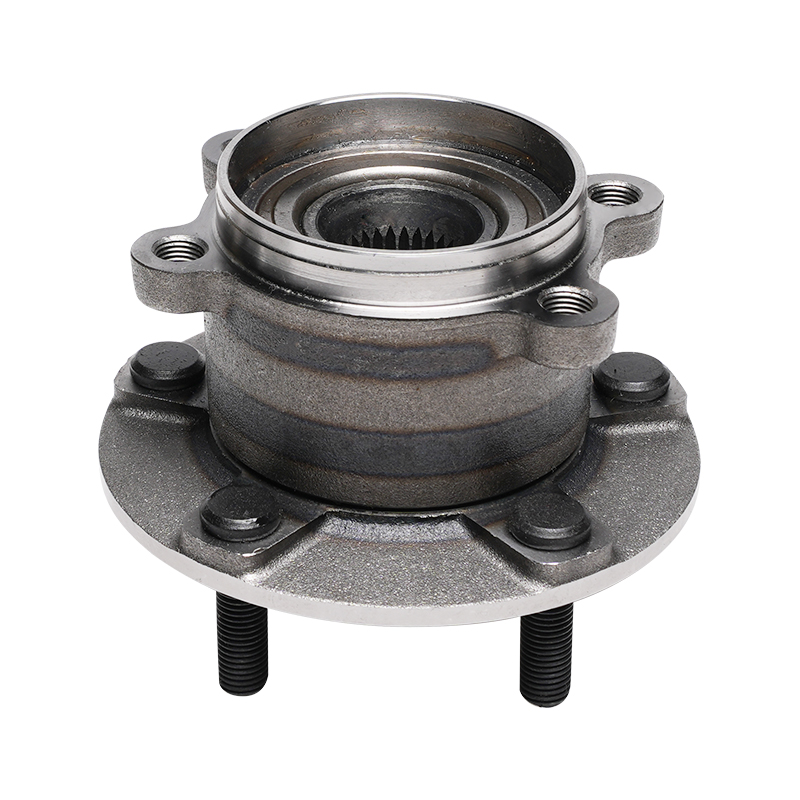
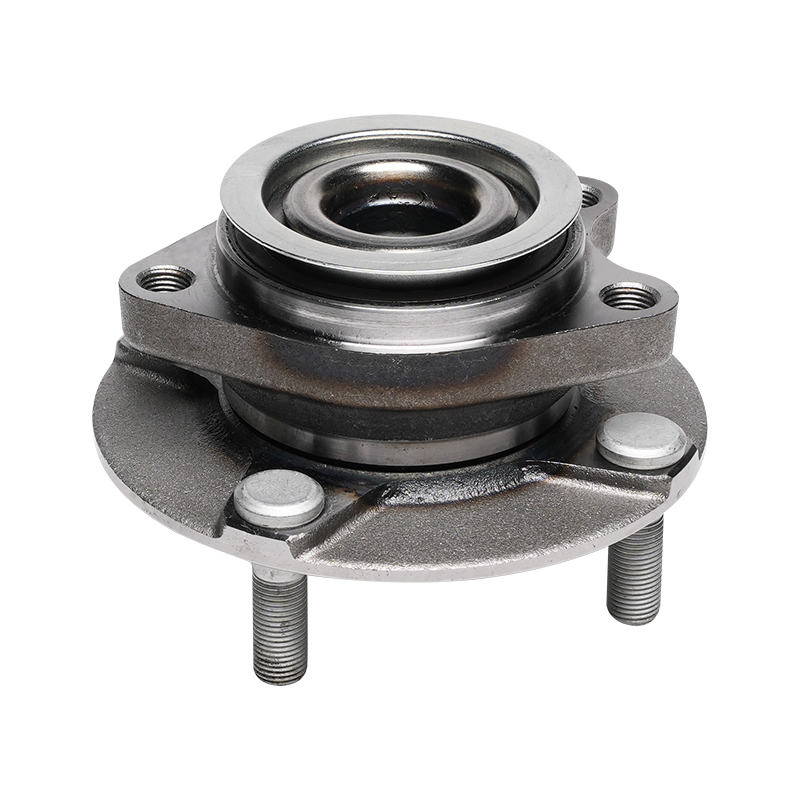
A typical modern hub unit consists of several precision-engineered components housed within a single assembly. The inner ring, often featuring internal splines, connects to the driveshaft. The outer ring is typically press-fitted or bolted into the steering knuckle. Between these rings reside the rolling elements—usually balls or tapered rollers—held in place by a polymer or steel cage. High-temperature, long-life grease fills the internal cavity, while multi-lip elastomeric seals keep the lubricant in and contaminants out. The flange, which features the wheel studs, is integral to the outer or inner ring, depending on the specific design, providing the mounting surface for the wheel and brake components.
The materials used in wheel hub units must withstand tremendous cyclic stress and impact forces while maintaining exact dimensional stability. High-carbon chromium steel is the standard choice for the rings and rolling elements, undergoing specialized heat-treating processes to achieve a hard, wear-resistant surface with a tougher, more flexible core. This balance prevents surface fatigue from continuous rolling contact while ensuring the unit does not shatter under sudden impact loads, such as hitting a pothole. The sealing technology is equally critical; a failed seal allows water and abrasive road grit to enter the bearing cavity, rapidly destroying the precision internal geometry and leading to rapid failure.
Wheel hub units are categorized into distinct generations based on their level of integration and mounting configuration. Each generation represents a step forward in compact design and ease of installation, tailored to different vehicle architectures and performance requirements. Understanding these generations is crucial for comprehending how the vehicle's suspension is assembled and how replacement procedures vary in complexity.
| Generation | Integration Level | Mounting Method |
|---|---|---|
| Gen 1 | Basic double-row bearing | Press-fit into the steering knuckle |
| Gen 2 | Bearing with outer flange | Bolted to the steering knuckle |
| Gen 3 | Inner and outer flanges integrated | Bolted to the knuckle and axle nut |
The first-generation hub unit is essentially a pre-assembled, double-row angular contact ball bearing or tapered roller bearing. It relies on the surrounding suspension components—specifically the steering knuckle and the axle shaft—to provide the necessary preload and structural support. These units must be press-fitted into the knuckle, requiring hydraulic presses and careful alignment during both removal and installation. If the bearing is pressed in slightly crooked, it will generate immense internal stress, leading to rapid wear and premature failure. While once the industry standard, their use has declined in favor of more integrated designs, though they are still found in older vehicles and some specific rear axle applications.
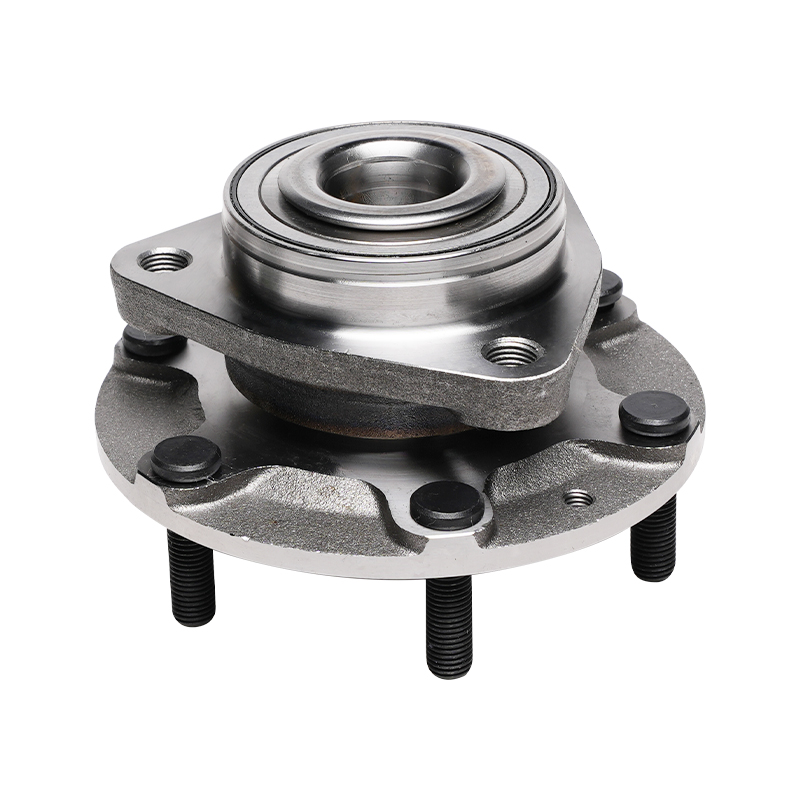
Second-generation units integrate the outer bearing ring directly with the mounting flange. This design eliminates the need to press the bearing into the steering knuckle, as the entire assembly bolts directly to the knuckle using standard fasteners. This integration simplifies the assembly process on the manufacturing line and drastically reduces the complexity of aftermarket replacement. The preload is set at the factory within the unit itself, removing the variability associated with technician assembly. The wheel studs are usually pressed into the hub flange, which is part of the inner ring, and the unit relies on the axle nut to secure the inner ring to the vehicle.
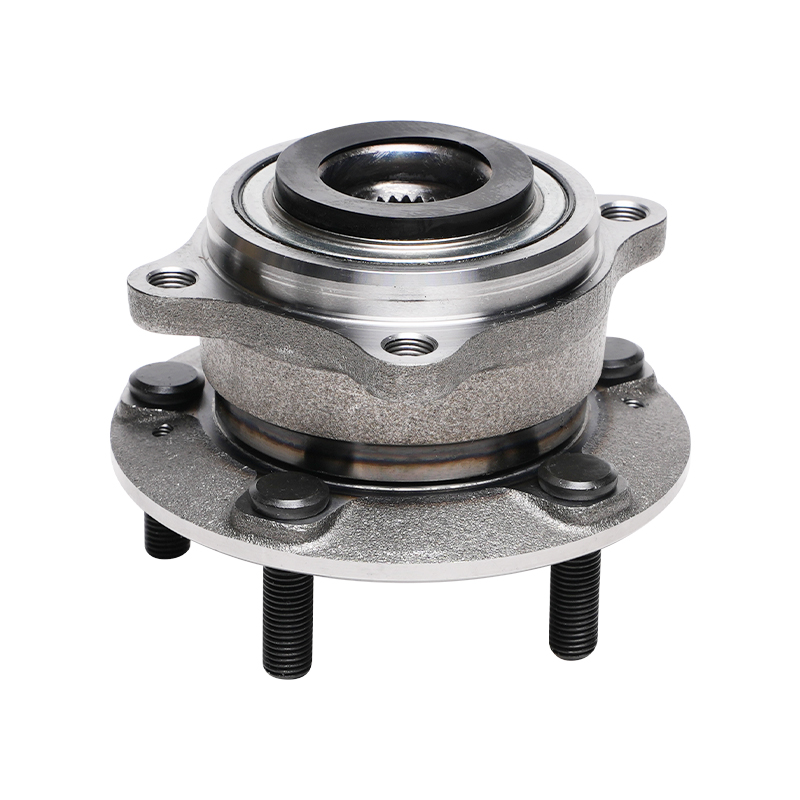
Third-generation hub units represent the current pinnacle of integration, combining the hub flange, bearing, and mounting flange into a single, self-contained module. In this design, the inner ring features an extended flange that serves as the wheel mounting surface, while the outer ring has a flange that bolts directly to the suspension knuckle. The internal bearing preload is permanently set and sealed at the factory, ensuring optimal performance regardless of the installer's technique. The axle nut merely holds the driveshaft in place; it does not dictate the bearing preload as it does in older designs. This generation is ubiquitous in modern front-wheel-drive vehicles, offering superior stiffness, reduced weight, and exceptional resistance to contamination.
Despite their robust construction, wheel hub units are subject to extreme operating conditions and will eventually degrade. Understanding the primary causes of failure can help drivers and technicians identify issues early and prevent dangerous situations. While normal wear and tear over high mileage is inevitable, environmental factors and driving habits frequently accelerate the degradation process.
A failing wheel hub unit does not heal itself; the degradation curve is exponential. What begins as a slight hum at highway speeds can quickly escalate into a dangerous situation. As the internal clearances increase due to wear, the wheel develops lateral play. This movement forces the brake rotor to shift position relative to the caliper, leading to a spongy brake pedal and significantly increased stopping distances. In the worst-case scenario, the bearing can literally disintegrate, causing the wheel to seize up or completely separate from the vehicle. Furthermore, a malfunctioning ABS sensor ring—often integrated into the hub—will trigger dashboard warning lights, disabling the vehicle's stability control systems and leaving the car vulnerable to skids in emergency maneuvers.
Diagnosing a failing wheel hub unit early is a critical safety measure. Because the components are concealed within the assembly, visual inspection alone is rarely sufficient. Instead, drivers and technicians must rely on auditory and dynamic clues that manifest during driving. Recognizing these specific symptoms allows for proactive replacement before the unit becomes a critical hazard.
Pinpointing which specific hub is failing can be challenging, as sounds easily transmit through the vehicle's chassis, making a front-left failure sound like a front-right issue. A common diagnostic technique involves driving the vehicle at a steady speed where the noise is audible and then weaving the steering wheel back and forth in a gentle slalom. When the vehicle turns left, the weight shifts to the right side; if the noise gets louder, the right hub is likely the culprit. Conversely, if the noise increases when turning right, the left hub is under load and likely failing. Furthermore, using a mechanic's stethoscope while the vehicle is safely supported on a lift and the wheels are spinning can help isolate the exact location of the grinding noise.
Replacing a wheel hub unit is a task that demands precision and strict adherence to manufacturer specifications. The longevity of the new unit depends heavily on the techniques used during installation. Taking shortcuts or ignoring specific torque sequences can destroy a brand-new, high-quality hub unit in a matter of miles. Therefore, following established best practices is not just recommended; it is mandatory for a reliable repair.
Bearing preload refers to the intentional application of slight pressure within the bearing to eliminate internal clearance. In modern third-generation hub units, this preload is permanently set by the manufacturer, and the technician's job is simply to secure the unit without altering this setting. However, in older first-generation designs, the preload is established by the torque applied to the axle nut. If the nut is too loose, the bearing will have excessive clearance, causing the rolling elements to skid instead of roll, leading to rapid wear and vibration. If the nut is too tight, the bearing becomes overloaded, generating extreme heat that breaks down the lubricant and causes the steel to expand and seize. Achieving the exact specified torque—and never exceeding it—is the single most critical factor in ensuring the service life of the hub unit.
As the automotive industry transitions toward electric vehicles and advanced autonomous driving systems, the demands placed on wheel hub units are evolving rapidly. The traditional role of merely supporting the wheel is expanding to include active integration with the vehicle's electronic nervous system. This shift is driving the development of intelligent and highly specialized hub designs tailored for the unique characteristics of next-generation transportation.
Electric vehicles, for instance, place entirely different stresses on hub units compared to internal combustion engine vehicles. The massive instantaneous torque generated by electric motors subjects the bearings to severe shock loads, requiring the development of specialized rolling elements and advanced steel alloys. Furthermore, the absence of engine noise makes the occupants highly sensitive to any mechanical whining or humming, pushing manufacturers to design ultra-quiet hub units with enhanced vibration-dampening properties. The integration of the electric motor directly into the wheel hub—known as the in-wheel motor concept—represents a radical redesign, where the hub unit must function simultaneously as a structural bearing, a motor housing, and a thermal management interface.
The future of hub technology lies in "smart" units that do more than just measure wheel speed. Next-generation hub assemblies are being designed with built-in sensors capable of measuring vertical loads, lateral forces, and tire-road friction in real time. This data is invaluable for autonomous driving algorithms, which require hyper-accurate information about the vehicle's dynamic state to make safe steering and braking decisions. By integrating these sensors directly into the robust housing of the hub unit, manufacturers can protect delicate electronics from the harsh undercarriage environment while providing the vehicle's central computer with the exact data needed to optimize traction control, suspension damping, and predictive maintenance algorithms. As these technologies mature, the wheel hub unit will transition from a passive mechanical component to an active, intelligent node within the vehicle's overall control network.
Request for a call today


Tel: +86 0575-87785959

E-mail: [email protected]

Add:Room 215, Building 3, No. 1887, Asia Pacific Road, Wenyan Street, Xiaoshan District, Hangzhou, Zhejiang, China
