 Search for products...

 English
 中文简体
中文简体
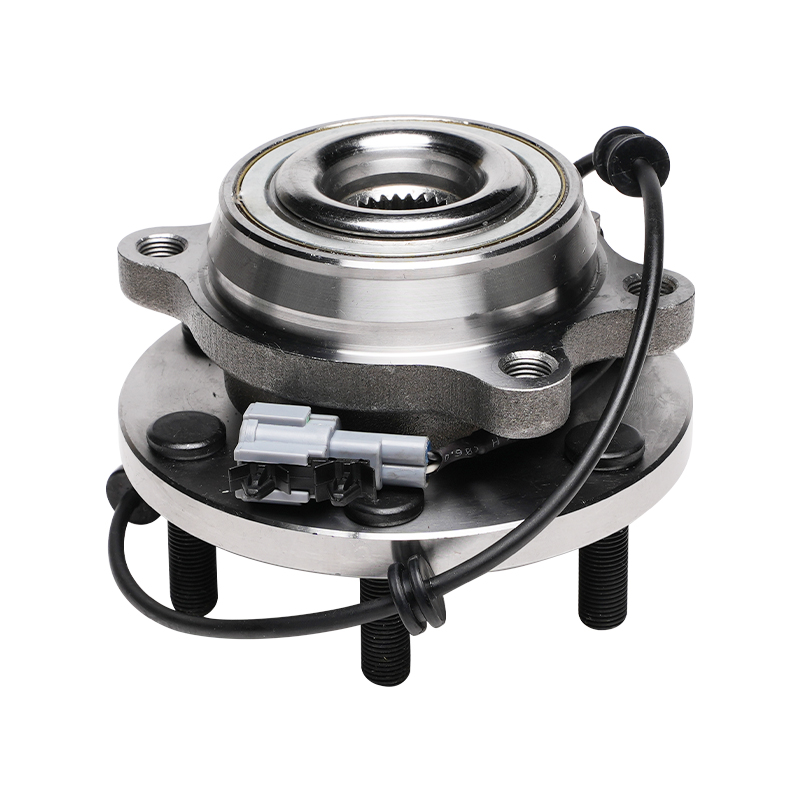
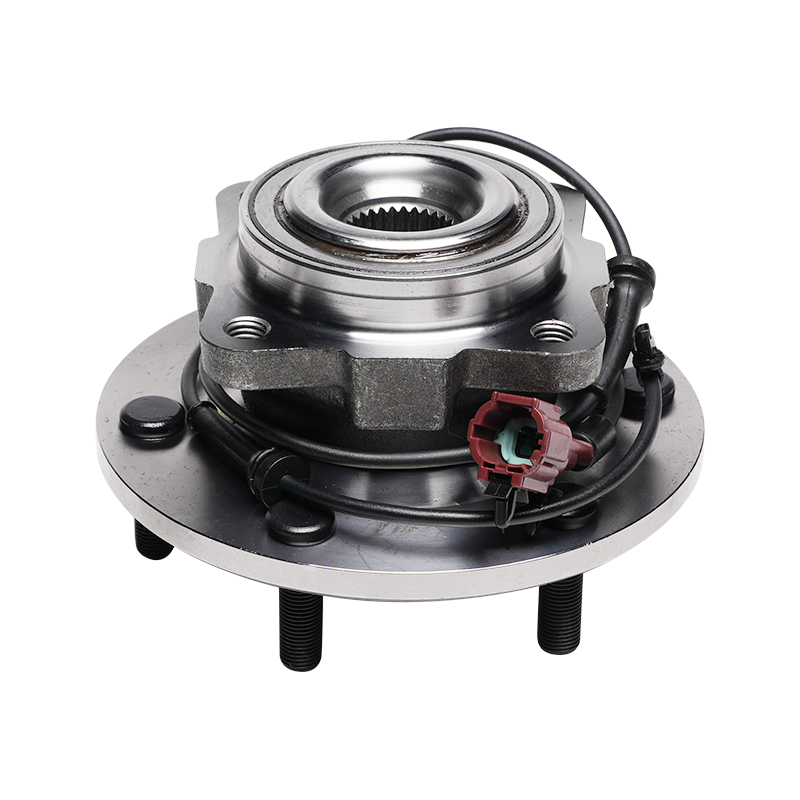
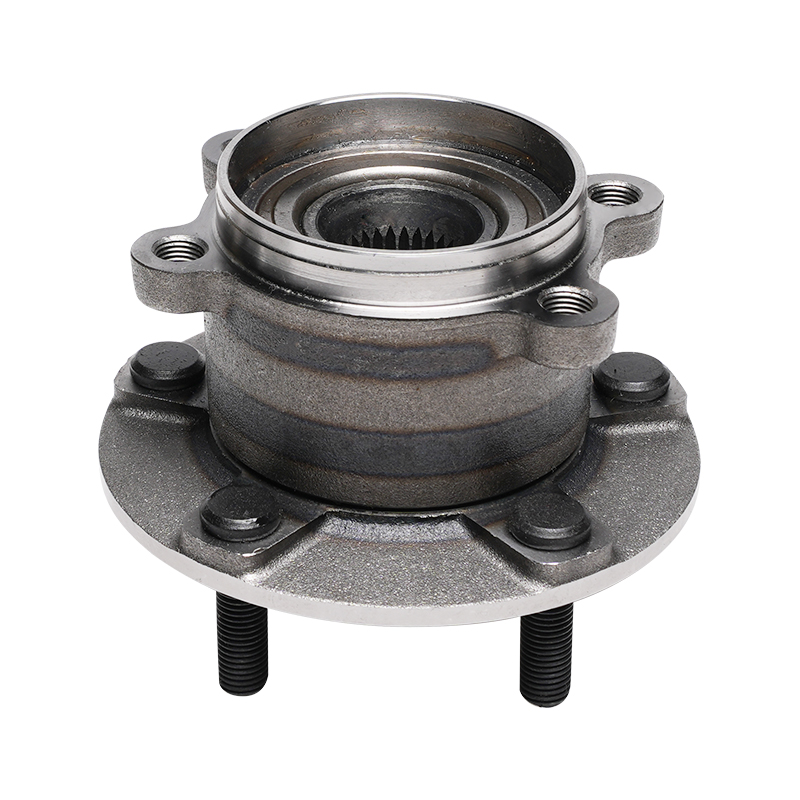
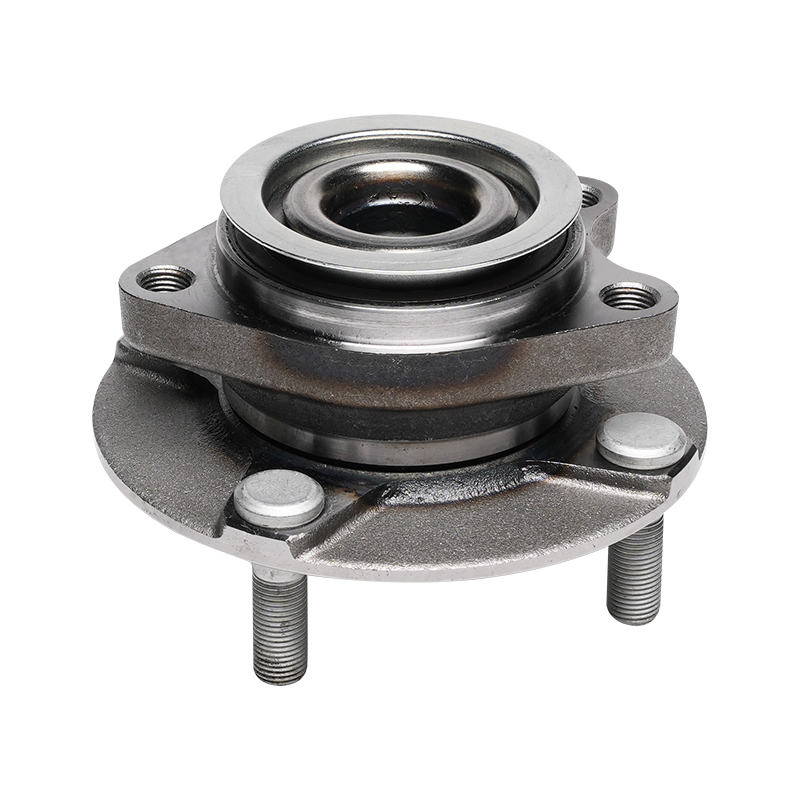
Looking For Business Opportunity?
Request for a call today
NEW
 2026.05.01
 Industry News
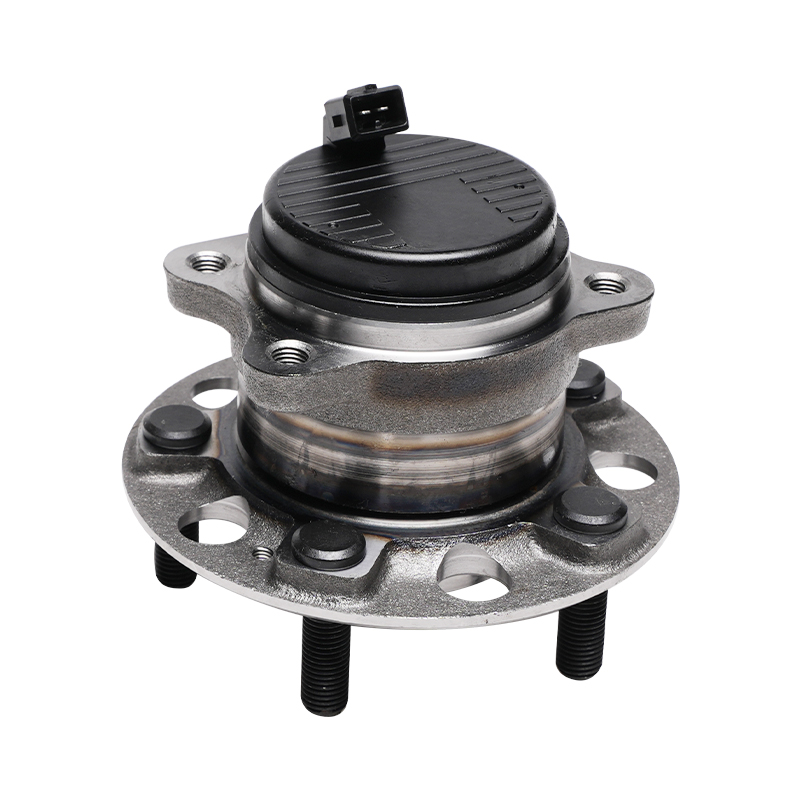
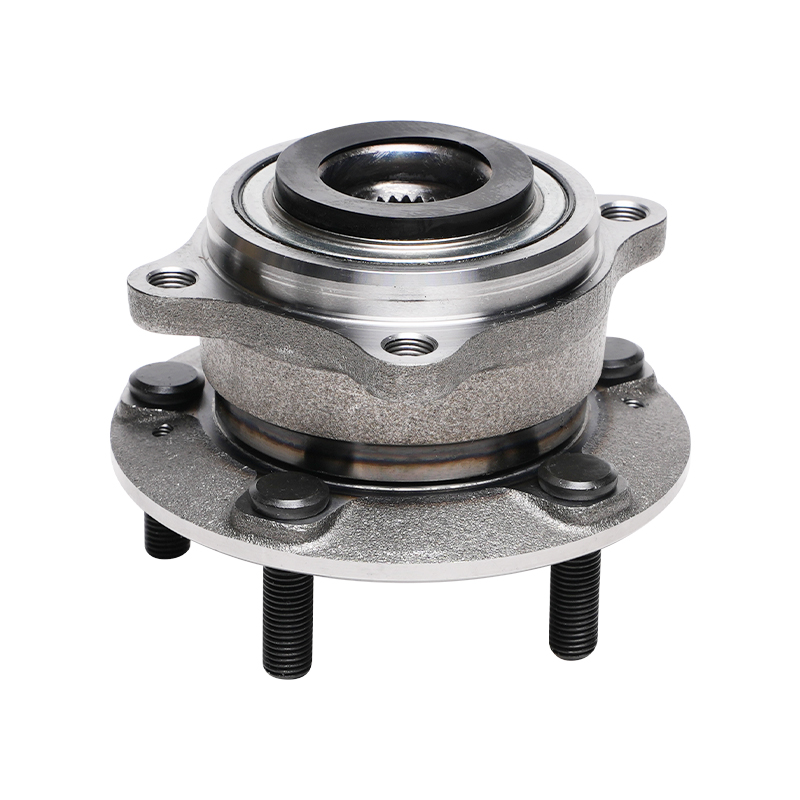
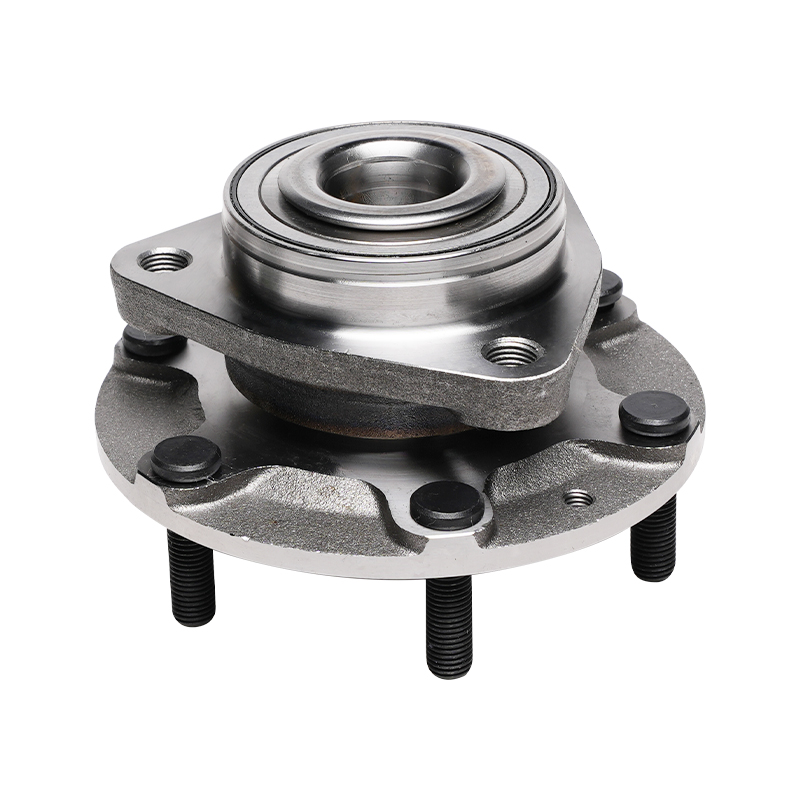
Wheel hub assemblies are critical integrated components that connect a vehicle’s wheels to its chassis, enabling smooth rotation, supporting vehicle weight, and ensuring stable steering and braking performance. A fully functional wheel hub assembly is non-negotiable for driving safety; any failure can lead to wheel separation, loss of control, or severe traffic accidents.
These components combine wheel hubs, bearings, seals, and mounting hardware into a single unit, eliminating the need for separate installation and adjustment of individual parts. They are standard equipment on nearly all modern passenger cars, SUVs, trucks, and commercial vehicles, and their performance directly impacts driving comfort, handling stability, and service life of surrounding brake and suspension parts.
The key takeaway is that wheel hub assemblies are not consumable parts with fixed replacement cycles, but they degrade gradually with use. Recognizing early failure symptoms, performing regular inspections, and replacing faulty assemblies in a timely manner are the most effective ways to maintain vehicle safety and extend the service life of related components.
Wheel hub assemblies perform multiple interconnected functions that form the foundation of a vehicle’s mobility. Each function is essential to safe and reliable driving, and no single role can be overlooked in automotive design and maintenance.
The primary function of a wheel hub assembly is to support the full weight of the vehicle, including the body, passengers, cargo, and dynamic loads generated during acceleration, braking, and cornering. It withstands both vertical static loads and horizontal impact loads from road irregularities, ensuring the wheel maintains stable contact with the road surface at all times.
Heavy-duty vehicles require hub assemblies with higher load-bearing ratings, while compact passenger cars use optimized lightweight designs. In all cases, the assembly must maintain structural integrity under continuous and varying load conditions without deformation or failure.
Integrated precision rolling bearings enable low-friction rotation of the wheel hub, allowing wheels to spin freely while minimizing power loss from the engine. High-quality bearings reduce rolling resistance, improve fuel efficiency, and eliminate excessive heat buildup during prolonged high-speed driving.
This rotational stability directly translates to a smooth driving experience, reducing vibration transmitted to the steering wheel and vehicle cabin. Even minor bearing damage can cause noticeable vibration and noise, signaling a decline in performance.
Wheel hub assemblies serve as the connection point for steering knuckles, control arms, and other suspension components. They maintain precise wheel alignment parameters, including camber, caster, and toe angles, which are critical for responsive steering and predictable handling.
A damaged hub assembly can alter wheel alignment, leading to uneven tire wear, drifting to one side, and reduced steering precision. This not only compromises driving comfort but also increases safety risks during emergency maneuvers.
Wheel hubs provide the mounting surface for brake rotors or brake drums, ensuring perfect concentricity between the brake assembly and the wheel. This alignment guarantees consistent braking force distribution, eliminates brake pedal pulsation, and maintains reliable stopping performance.
Warped or worn hub assemblies cause brake vibration, reduced braking efficiency, and accelerated wear of brake pads and rotors. In extreme cases, this can lead to brake failure, making the hub assembly a vital safety link for the entire braking system.
Integrated rubber and metal seals create a closed environment for internal bearings, blocking moisture, dust, mud, road salt, and other contaminants. This protection prevents lubricant degradation and bearing corrosion, significantly extending the service life of the assembly.
Seal damage is one of the most common causes of early hub failure, as contaminants quickly destroy precision bearing surfaces. Proper sealing design is a key factor in determining the durability of wheel hub assemblies in harsh driving conditions.
Modern wheel hub assemblies are classified by several key criteria, including drive type, installation position, bearing structure, and integration level. Understanding these classifications helps in selecting the correct replacement part and grasping performance differences between designs.
The bearing is the core of the wheel hub assembly, and different bearing structures match different vehicle performance requirements:
| Design Type | Installation Complexity | Maintenance Requirements | Service Life |
|---|---|---|---|
| Integrated Assembly | Low, bolt-on installation | Maintenance-free | Long, consistent performance |
| Separate Components | High requires adjustment | Regular lubrication needed | Short, prone to premature wear |
Integrated wheel hub assemblies have become the industry standard due to their superior performance, simplified installation, and reduced maintenance needs. They eliminate human error during bearing adjustment and provide consistent performance throughout their service life.
Wheel hub assemblies degrade gradually, and early detection of failure symptoms is critical to preventing safety hazards. Recognizing these signs allows for timely replacement and avoids catastrophic wheel failure during driving.
The most common early symptom is abnormal noise, typically described as a humming, grinding, or growling sound that increases with vehicle speed. The noise often becomes louder during cornering, as lateral loads amplify friction in damaged bearings.
A simple test involves making gentle left and right turns at low speed: if the noise diminishes when turning left, the right front hub is likely faulty, and vice versa. This occurs because the weight shifts off the damaged side during the turn.
Worn hub assemblies cause noticeable vibration in the steering wheel, floorboards, or vehicle seat, especially at highway speeds. Severe wear leads to excessive wheel play, resulting in vague steering, vehicle drifting, and reduced responsiveness to steering inputs.
Vibration worsens as damage progresses, and ignoring this symptom will eventually lead to complete bearing seizure or wheel separation, creating an extremely dangerous driving situation.
Any measurable wheel play or abnormal resistance confirms the need for immediate hub assembly replacement. Professional technicians use dial indicators to measure wear precisely, but basic manual inspection is sufficient for most vehicle owners to identify problems.
Many modern wheel hub assemblies include integrated ABS speed sensors. Damage to the hub or sensor triggers the ABS warning light on the dashboard, indicating loss of anti-lock braking functionality. This electrical fault often accompanies mechanical wear and requires full hub replacement to resolve.
The lifespan of wheel hub assemblies varies widely based on operating conditions, driving habits, and environmental factors. While typical service life ranges from 80,000 to 160,000 kilometers, adverse conditions can reduce this by half or more.
Vehicles regularly driven on rough, unpaved roads or over potholes experience significantly higher impact loads, accelerating bearing fatigue. Overloading a vehicle beyond its rated capacity places extreme stress on hub assemblies, causing premature deformation and wear.
Frequent stop-and-go city driving generates more heat and stress than steady highway cruising, while high-speed driving for extended periods increases thermal fatigue on bearings and seals.
Exposure to water, mud, snow, and road salt is the leading cause of seal degradation and bearing corrosion. Driving through deep water submerges seals, allowing moisture to penetrate the assembly and mix with lubricant, creating a corrosive mixture that destroys bearing surfaces.
Road salt used in winter climates accelerates metal corrosion and rubber seal deterioration, making hub assemblies particularly vulnerable in cold regions. Dust and sand in arid environments also penetrate seals and cause abrasive wear on internal components.
Incorrect torque on mounting bolts is a common installation error that leads to premature failure. Under-torqued bolts loosen over time, while over-torquing distorts the hub housing and damages internal bearings. Both issues drastically reduce service life.
Using impact tools excessively during installation can shock-load bearings, causing microscopic cracks that lead to sudden failure. Lack of post-installation inspection and alignment further contributes to early wear and reduced performance.
Unbalanced tires, worn suspension parts, and incorrect wheel alignment place uneven loads on hub assemblies. Out-of-balance tires create cyclic vibration that fatigues bearings, while worn control arm bushings or ball joints alter wheel geometry and increase stress on hubs.
Regular tire rotation, balancing, and suspension inspection indirectly extend hub life by ensuring even load distribution and minimizing unnecessary stress on all wheel-end components.
Proper installation is critical to maximizing the service life and performance of new wheel hub assemblies. Even high-quality assemblies will fail prematurely if installed incorrectly, making adherence to best practices essential.
Begin by removing the wheel, brake caliper, rotor, and any splash guards to access the hub assembly. Disconnect electrical connectors for ABS sensors if equipped. Remove the mounting bolts securing the old hub to the steering knuckle, taking care not to damage surrounding components.
For stuck hubs, use a puller tool designed for wheel hub removal—never hammer directly on the hub, as this will damage the knuckle and new assembly. Once removed, clean the knuckle mounting surface again before installing the new hub.
Place the new hub assembly into position and hand-thread the mounting bolts to ensure proper alignment. Tighten bolts in a cross-pattern to manufacturer-specified torque values, typically ranging from 180 to 220 Nm for most passenger vehicles. Reconnect the ABS sensor and reassemble brake components in reverse order.
After installation, spin the wheel by hand to confirm smooth rotation with no grinding or resistance. Check for wheel play by rocking the wheel—there should be zero detectable movement. Lower the vehicle and perform a test drive at low speed, listening for abnormal noises and checking steering response.
It is recommended to complete a full wheel alignment after hub replacement to restore proper geometry and prevent uneven tire wear. Re-torque the mounting bolts after the first 50 to 100 kilometers of driving to ensure they remain at the correct specification.
While modern integrated wheel hub assemblies are maintenance-free, proactive care and driving habit adjustments can significantly extend their service life and reduce the likelihood of premature failure.
Perform a quick visual inspection of wheel hubs during every tire rotation or oil change. Look for lubricant leaks around seals, rust formation, or damage to the hub surface. Catching seal damage early can prevent contaminants from entering and destroying the bearings.
Pay special attention to hubs after driving through deep water, mud, or harsh road conditions, as these environments pose the highest risk to seal integrity.
Maintain proper tire pressure and rotate tires at manufacturer-recommended intervals to ensure even wear and load distribution. Replace worn suspension components promptly to prevent misalignment and abnormal stress on hub assemblies.
Schedule regular wheel alignments to maintain correct geometry, which not only extends tire life but also reduces unnecessary loading on wheel hubs and bearings. A properly aligned vehicle places significantly less stress on all wheel-end components.
Never delay replacement of a worn or damaged wheel hub assembly. Continuing to drive with a faulty hub increases the risk of complete failure, wheel separation, and loss of vehicle control. Replacement is cost-effective compared to the potential safety risks and additional damage to other components.
For safety, it is standard practice to replace hub assemblies in pairs on the same axle. If one hub fails, the opposite side is likely nearing the end of its service life, and paired replacement ensures balanced performance and even wear.
Wheel hub assembly service involves critical safety procedures that must never be compromised. Working on wheel components requires strict adherence to safety protocols to protect both the technician and future vehicle occupants.
Always use rated jack stands and never rely solely on a hydraulic jack to support the vehicle. Ensure the vehicle is parked on level, solid ground and engage the parking brake before lifting. Chock the wheels remaining on the ground to prevent unintended vehicle movement during service.
Adequate support is critical—vehicle weight can cause fatal injury if the car falls during hub replacement. Double-check all supports before placing any part of your body under the vehicle.
Always use a torque wrench to tighten hub mounting bolts to exact specifications. Improper torque is a leading cause of post-installation failure. Under-torqued bolts can back out, while over-torqued bolts stretch, break, or distort the hub housing.
Never reuse old mounting bolts; replace them with new high-strength bolts designed for wheel hub applications. Inspect all components for damage during installation and discard any parts with cracks, deformation, or corrosion.
After completing the installation, perform a thorough safety check before road testing. Confirm all components are reassembled correctly, bolts are torqued properly, and ABS sensors are connected. Test drive at low speed initially, gradually increasing speed while monitoring for noise, vibration, or handling issues.
Advise vehicle owners to avoid heavy loading or high-speed driving for the first few hundred kilometers after replacement, allowing components to seat properly. Schedule a follow-up inspection to recheck torque and ensure no issues have developed after initial use.
Automotive technology evolution is driving continuous innovation in wheel hub assembly design, materials, and functionality. New developments focus on lightweight construction, smart integration, and compatibility with electrified and autonomous vehicles.
Manufacturers are adopting advanced alloy steels and composite materials to reduce weight while maintaining or increasing load capacity. Lighter hub assemblies improve fuel efficiency in traditional vehicles and extend range in electric vehicles, aligning with industry sustainability goals.
Advanced heat treatment and precision forging techniques enhance material strength and fatigue resistance, allowing for more compact designs without compromising performance or durability.
Next-generation wheel hub assemblies integrate multi-functional sensors that monitor temperature, vibration, bearing wear, and load in real time. This data transmits to the vehicle’s control system, enabling predictive maintenance alerts before failure occurs.
Smart hubs enhance safety by providing early warning of potential failures and support advanced driver assistance systems (ADAS) with precise wheel speed and load data for improved vehicle dynamics control.
Electric vehicles require specialized hub assemblies designed to handle the instant torque and increased weight of battery packs. These units feature reinforced bearings, improved heat dissipation, and compatibility with in-wheel motor systems.
Low-friction designs maximize energy efficiency, while high-load capacity supports the heavier chassis of electric vehicles. Seal technology is also enhanced to protect against unique environmental stressors in EV applications.
Ongoing research aims to extend hub assembly service life to match the lifespan of the vehicle, reducing maintenance requirements and waste. Improved sealing systems, premium lubricants, and advanced bearing designs contribute to longer maintenance intervals and greater overall reliability.
Sustainable manufacturing processes and recyclable materials are becoming standard, aligning wheel hub production with global automotive industry environmental targets and circular economy principles.
Request for a call today


Tel: +86 0575-87785959

E-mail: [email protected]

Add:Room 215, Building 3, No. 1887, Asia Pacific Road, Wenyan Street, Xiaoshan District, Hangzhou, Zhejiang, China
