 Search for products...

 English
 中文简体
中文简体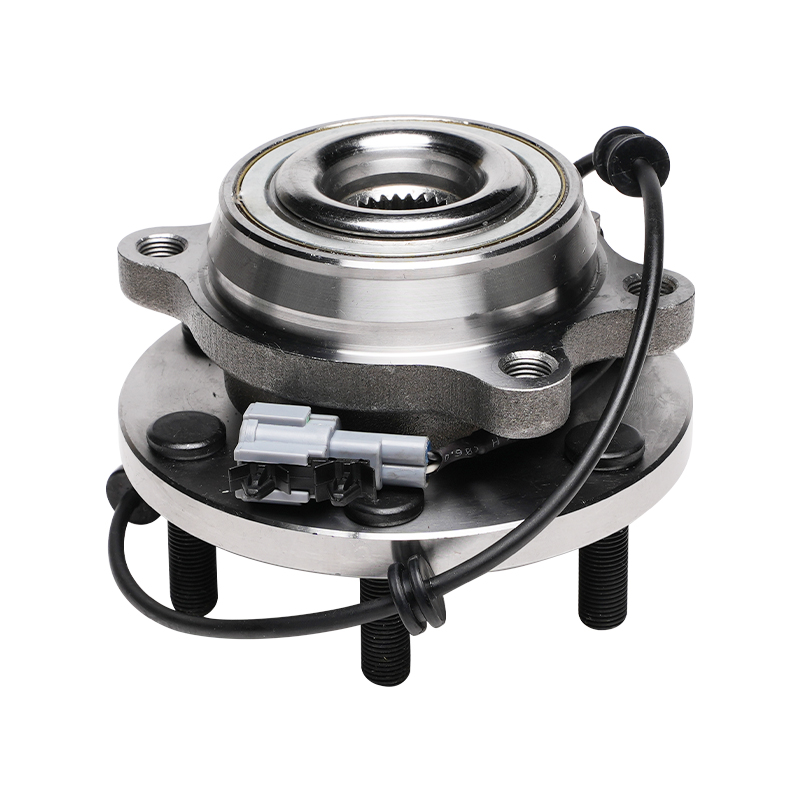
Looking For Business Opportunity?
Request for a call today
NEW
 Home / News / Industry News / The Core Role of High-Performance Wheel Hub Units in Automotive Powertrain and Safety
 2025.11.01
 Industry News
I. Overview of the Structure and Function of Wheel Hub Units
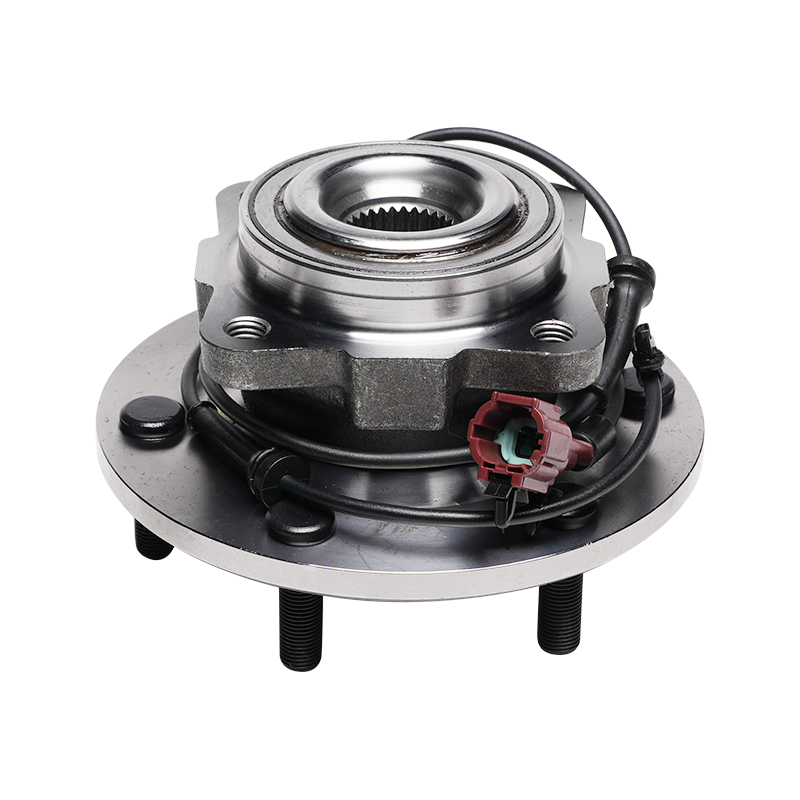
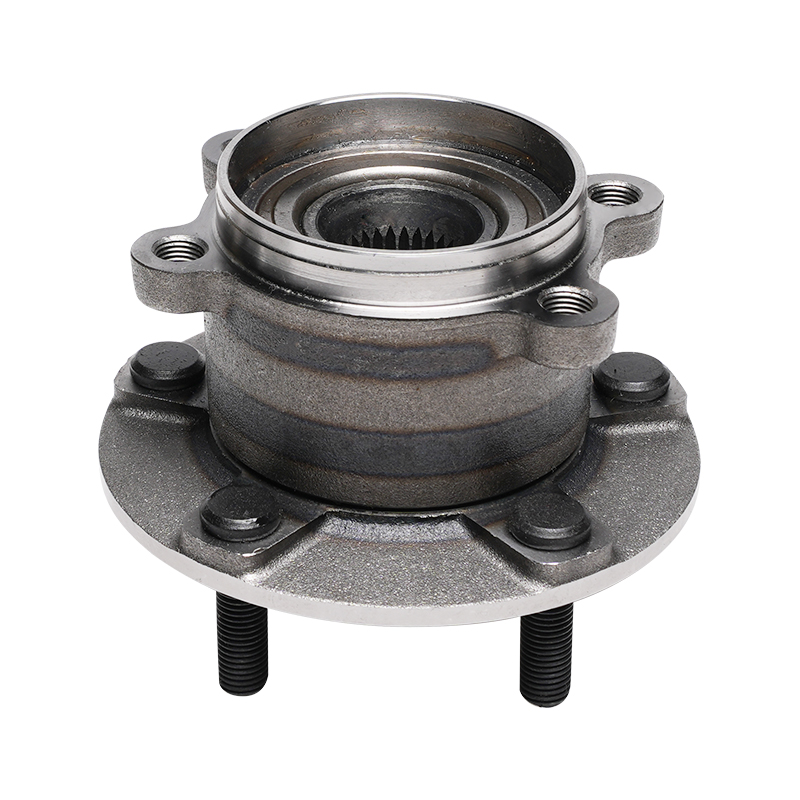
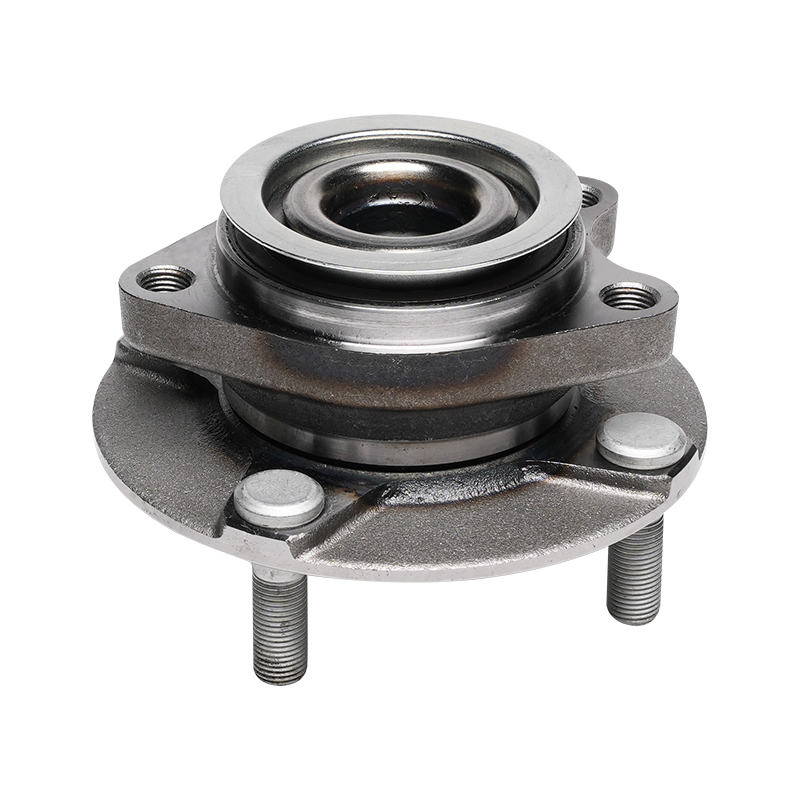
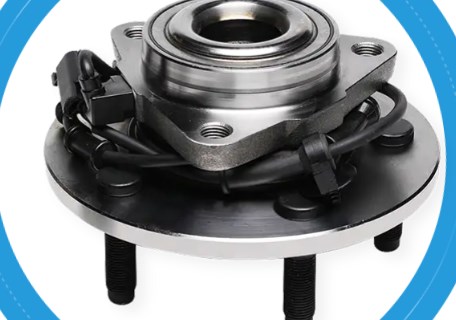
Wheel hub units are indispensable core components of modern automotive chassis systems. They not only provide rotational support for the wheels but also serve as crucial hubs connecting the suspension and braking systems. Traditional wheel hub structures are mostly split designs, but with the development of lightweight and high-performance vehicles, integrated wheel hub units have become mainstream. This component typically consists of bearings, flanges, sensors, and sealing systems, achieving low-friction, low-noise, and high-stability operating characteristics through precise matching and pre-load control.
During vehicle operation, wheel hub units bear axial, radial, and lateral forces, and their design must balance load-bearing capacity, durability, and sealing performance. As vehicle design increasingly demands energy efficiency and comfort, wheel hub units are evolving towards higher rigidity, lower weight, and greater intelligence to meet the dynamic needs of different vehicle types.
II. Technical Characteristics and Performance Requirements of Wheel Hub Units
The performance of wheel hub units determines the vehicle's handling stability and driving safety. Technically, the most important indicators include rotational accuracy, frictional torque, bearing clearance, and sealing performance. High-precision machining and assembly processes ensure the coaxiality and runout control of the wheel hub unit, directly affecting tire wear and suspension response characteristics.
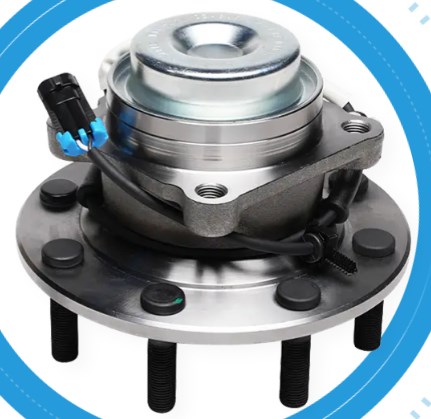
In terms of structural design, modern wheel hub units mostly use double-row angular contact ball bearings or tapered roller bearings to improve load-bearing capacity and impact resistance. Pre-load design within the bearings eliminates working clearance, ensuring rotational rigidity and low-noise operation. The sealing system employs a multi-layered protective structure, effectively preventing the ingress of dust, moisture, and corrosive media, extending the wheel hub unit's service life. Meanwhile, the selection and filling amount of grease also have a crucial impact on friction loss and temperature rise control.
III. The Role of Wheel Hub Units in Vehicle Systems
The wheel hub unit is not only the fulcrum for wheel rotation but also the core connection between the vehicle's suspension system, braking system, and drive system. In the drive axle, it undertakes the dual tasks of power transmission and load distribution; in the braking system, it is also a fixed support component for the brake disc or brake drum, directly affecting braking response and heat dissipation performance.
As automotive structures evolve towards modularization and integration, Wheel Hub Units are designed as pre-installed modules, offering high installation precision and convenient maintenance, significantly reducing assembly errors and repair time. Furthermore, some high-end models integrate ABS or ESP sensor modules into their wheel hub units, enabling real-time monitoring of wheel speed signals and providing accurate data support for the vehicle stability control system. This integrated design not only optimizes space layout but also improves system response speed and driving safety.
IV. Innovation in Manufacturing Processes and Materials Technology The performance stability of Wheel Hub Units largely depends on material selection and manufacturing processes. Common wheel hub unit materials are primarily high-carbon chromium bearing steel, which combines high strength and high wear resistance. To improve corrosion resistance and extend service life, some manufacturers employ special heat treatment, surface nitriding, and electroplating protective processes, ensuring excellent performance even in complex environments such as high humidity, high dust, and high temperature.
In the machining process, high-precision CNC turning and grinding technologies are employed to ensure dimensional consistency of the bearing raceways and mounting surfaces. During assembly, pre-load and torque tests are conducted using an automated testing system to ensure consistent performance in mass production. The introduction of intelligent production lines enables higher traceability and process control precision in wheel hub unit manufacturing, providing OEMs with more stable and reliable supporting solutions.
V. Application Trends of Wheel Hub Units
With the popularization of new energy vehicles and intelligent driving technologies, the application areas of wheel hub units are undergoing structural changes. Due to different drive modes, electric vehicles place higher demands on the torque capacity and lightweight design of wheel hub units. In some cutting-edge designs, the wheel hub motor and wheel hub unit are integrated, making power output and rotational support more closely connected, reducing transmission losses and improving energy efficiency.
As a key automotive component, the design, manufacturing, and application level of wheel hub units directly affect the overall vehicle's driving quality and safety performance. The evolution from traditional structures to integrated modularity and intelligence not only represents the advancement of automotive component technology but also signifies the high-end trend of the vehicle manufacturing industry. High-quality wheel hub units, with their superior load-bearing capacity, precise manufacturing processes, and outstanding reliability, are gradually becoming a key factor in enhancing the competitiveness of complete vehicles. In the future, with the development of new energy vehicles and intelligent transportation systems, wheel hub units will play an even more important role in the global automotive industry chain, helping the industry move towards a more efficient, safer, and more sustainable future.
Request for a call today


Tel: +86 0575-87785959

E-mail: [email protected]

Add:Room 215, Building 3, No. 1887, Asia Pacific Road, Wenyan Street, Xiaoshan District, Hangzhou, Zhejiang, China
