 Search for products...

 English
 中文简体
中文简体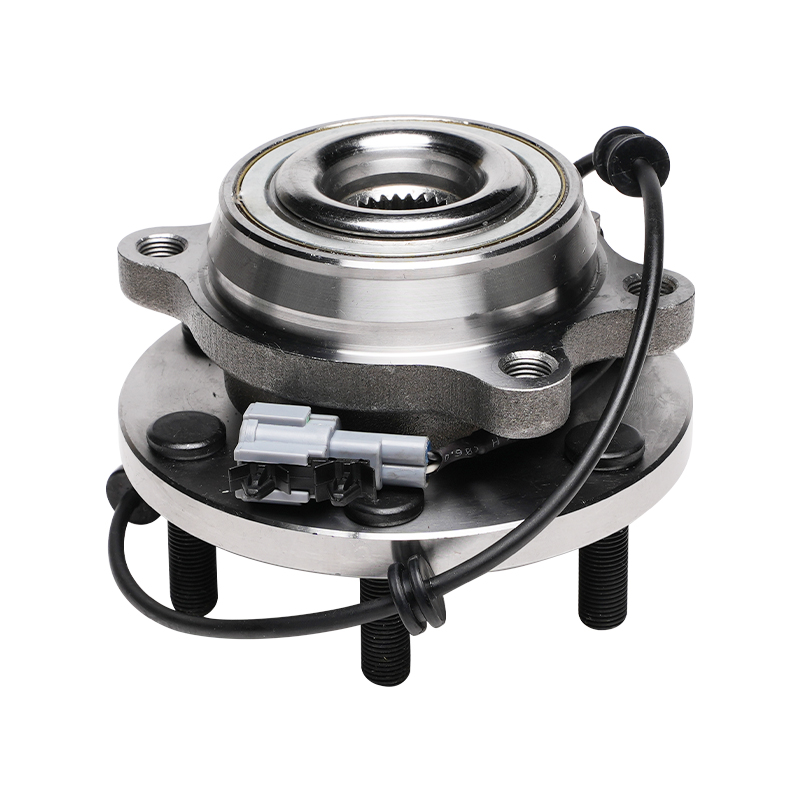
Looking For Business Opportunity?
Request for a call today
NEW
 Home / News / Industry News / Wheel Hub Bearing Professional Guide: A Key Component for Improving Vehicle Safety and Handling
 2025.10.22
 Industry News
Wheel hub bearings play a crucial role in modern automotive technology. They not only directly impact vehicle handling and driving safety, but are also closely linked to the vehicle's power transmission, suspension system, and overall comfort. With the development of the automotive industry, wheel hub bearing design, materials, and manufacturing processes have continuously improved, providing reliable support for high-performance vehicles.
Technical Principles of Wheel Hub Bearings
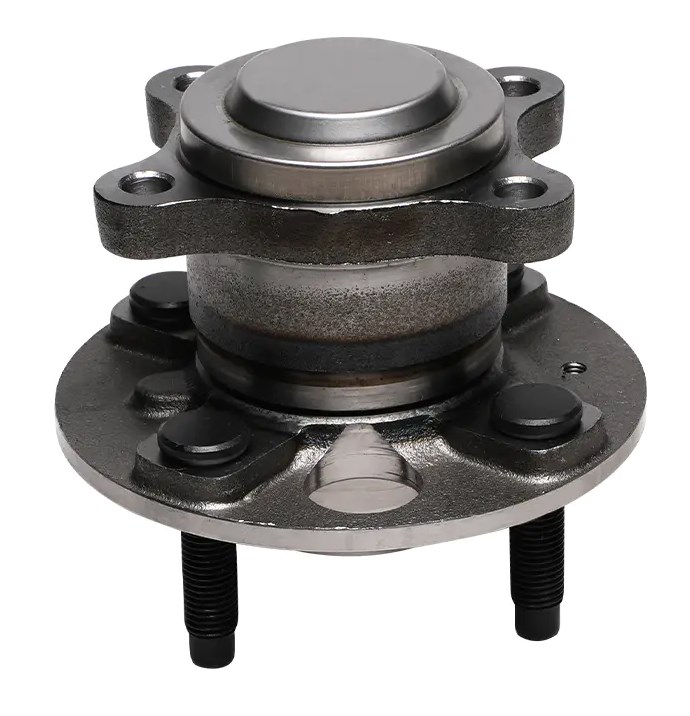
The core function of a wheel hub bearing is to support the rotation of the wheel while simultaneously bearing longitudinal and lateral loads from the vehicle. Its operating principle is based on rolling friction, smoothly transmitting radial and axial loads to the suspension system through the interaction of inner and outer rolling elements. Compared to traditional plain bearings, wheel hub bearings utilize needle rollers, tapered rollers, or spherical rollers, significantly reducing frictional resistance, improving vehicle power efficiency, and extending service life.
At high speeds and under complex road conditions, the precision and rigidity of the wheel hub bearing directly determine vehicle stability and steering response. The rolling element arrangement, clearance design, and lubrication conditions within the bearing significantly impact its wear resistance and smooth operation. Therefore, the manufacturing process places extremely stringent requirements on tolerance control, heat treatment, and surface finish.
Structural Features of Wheel Hub Bearings
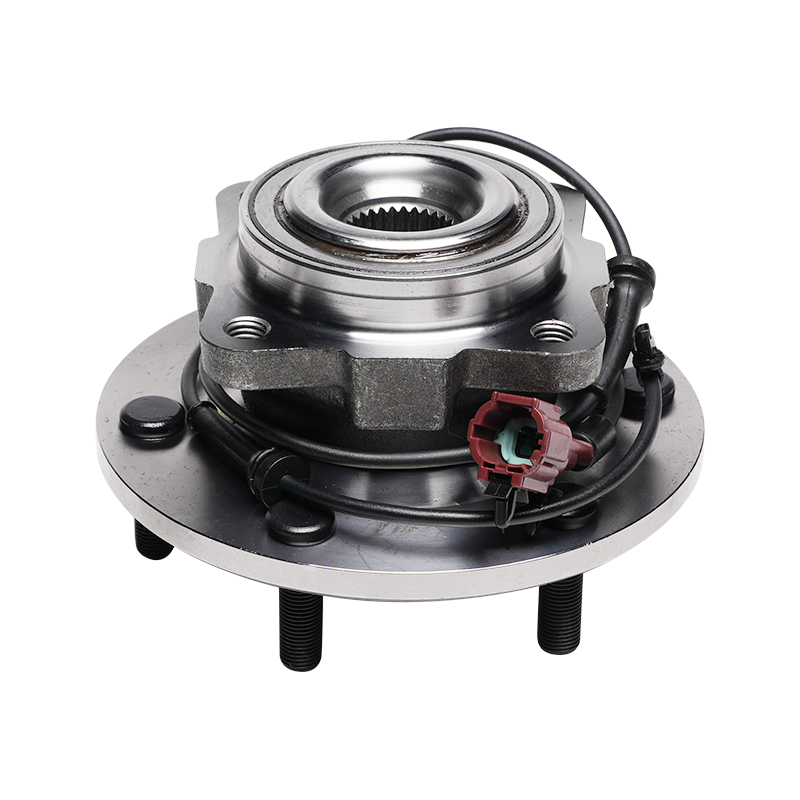
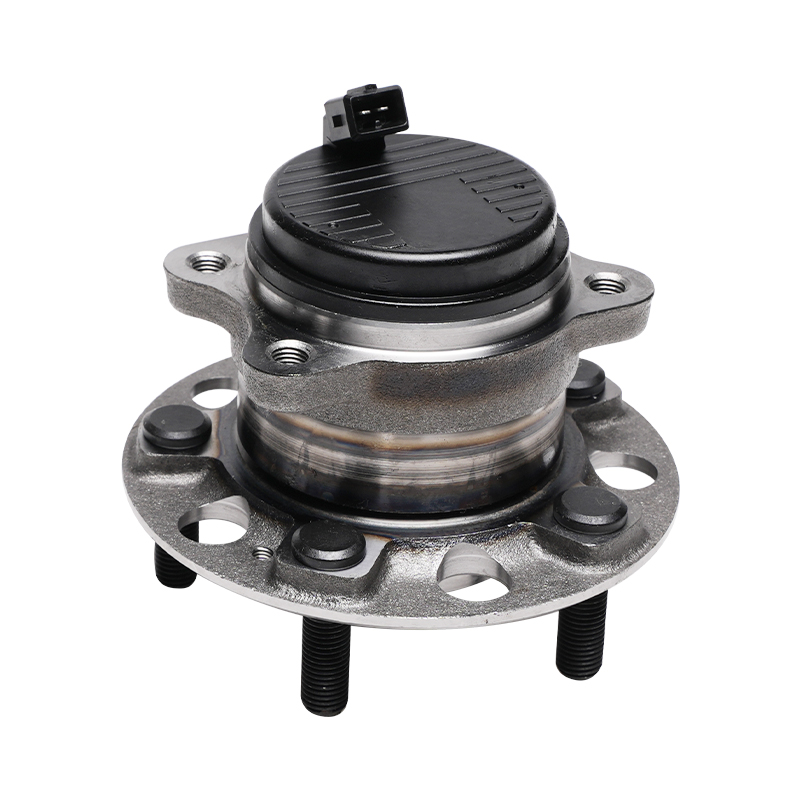
Modern wheel hub bearings typically integrate the bearing body, seals, and sensor interfaces. The sealing system effectively prevents dust, moisture, and other impurities from entering the bearing, maintaining an intact lubricant film and extending bearing life. With the advancement of automotive electronics, many wheel hub bearings also integrate ABS and wheel speed sensor interfaces, enabling precise control of vehicle braking and power distribution.
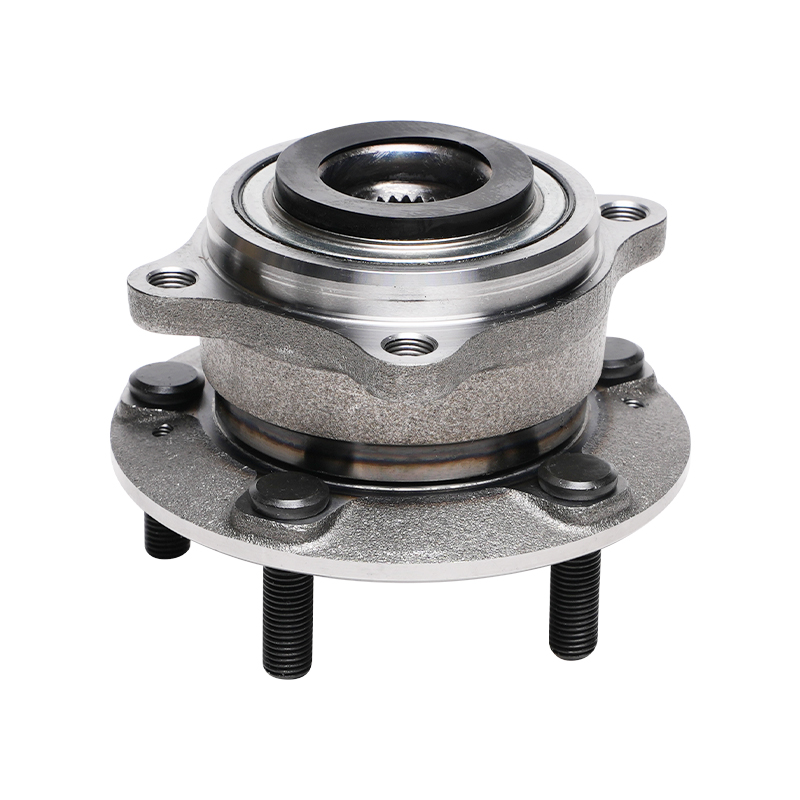
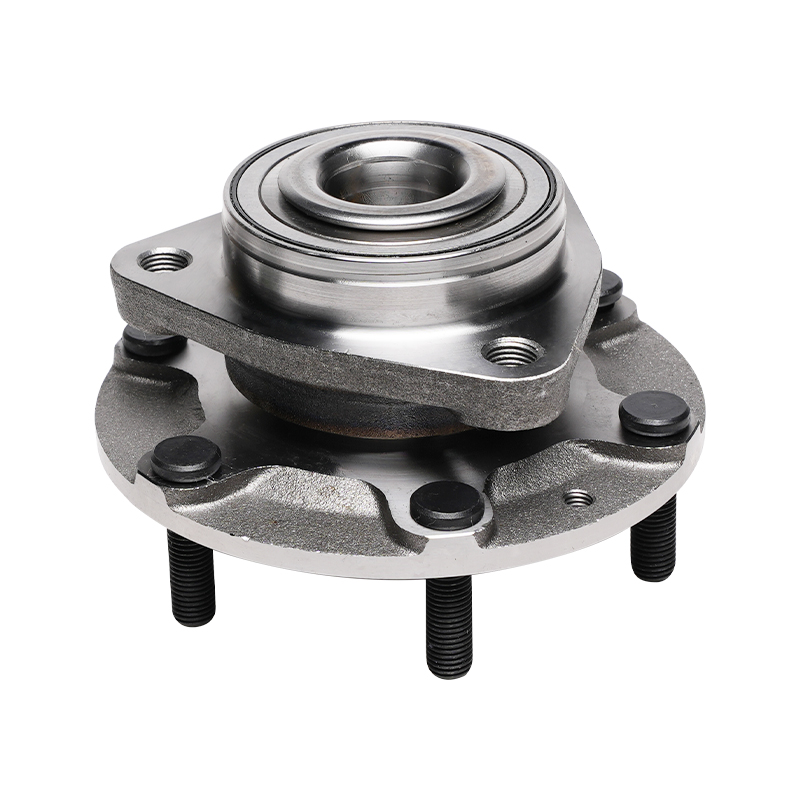
Based on structural type, wheel hub bearings can be categorized into various types, including radial insert and angular contact types. Radius insert bearings are suitable for carrying large radial loads while allowing for slight axial displacement within a certain range, making them suitable for front-wheel drive systems. Angular contact bearings, on the other hand, excel at high speeds and heavy loads, effectively supporting combined loads and are widely used in high-performance and off-road vehicles.
The bearing's fastening method also directly affects its performance stability. A preload design is generally used to prevent loosening or play during vehicle operation, ensuring precise steering and braking. During the manufacturing process, control of assembly torque and the fit between the bearing ring and the wheel hub must undergo rigorous testing to ensure compliance with design standards.
Wheel hub bearing material selection and craftsmanship
The performance of wheel hub bearings is inseparable from high-quality materials and precision craftsmanship. Common bearing steels include high-carbon chromium steel and wear-resistant alloy steel. These materials undergo quenching and tempering to achieve high hardness, high wear resistance, and excellent fatigue life. Surface treatments such as nitriding and chrome plating can further enhance corrosion resistance and friction performance.
The rolling element material closely matches the bearing inner and outer rings, directly affecting the friction coefficient and thermal expansion characteristics. High-precision rolling element machining and polishing ensure low noise and vibration at high speeds, enhancing driving comfort. Lubrication is also crucial. Modern wheel hub bearings generally use long-life grease or grease seals to ensure long-term operational stability.
Industry Application Trends of Wheel Hub Bearings
With the development of new energy vehicles and intelligent driving, wheel hub bearings are showing new application trends in automotive technology. Due to their differing drivetrains and vehicle structures, electric vehicles place higher demands on bearing torque capacity and thermal management, while also posing challenges in lightweight design. Intelligent driving systems require high-precision and rapid response from bearing sensor data to support the vehicle's automatic braking and steering adjustments.
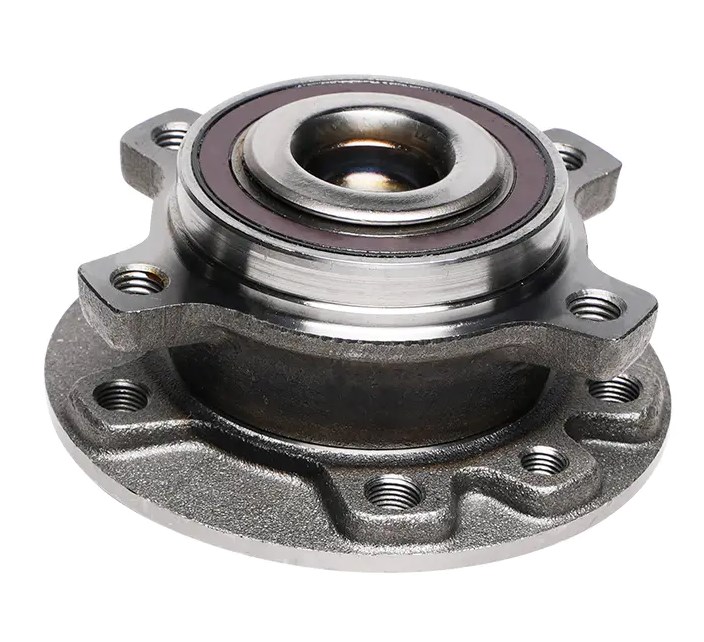
As a core component of a vehicle's powertrain and suspension system, the performance of wheel hub bearings directly impacts vehicle handling, safety, and comfort. From its technical principles and structural features to its material selection and industry development trends, wheel hub bearings embody the modern automotive industry's unwavering pursuit of precision manufacturing and reliability. As the trend toward intelligentization and electrification accelerates, wheel hub bearings will continue to play a core role in technological innovation and performance optimization, bringing a more efficient, safer, and smarter driving experience to the automotive industry.
Request for a call today


Tel: +86 0575-87785959

E-mail: [email protected]

Add:Room 215, Building 3, No. 1887, Asia Pacific Road, Wenyan Street, Xiaoshan District, Hangzhou, Zhejiang, China
