 Search for products...

 English
 中文简体
中文简体
Looking For Business Opportunity?
Request for a call today
NEW
 2026.07.08
 Industry News
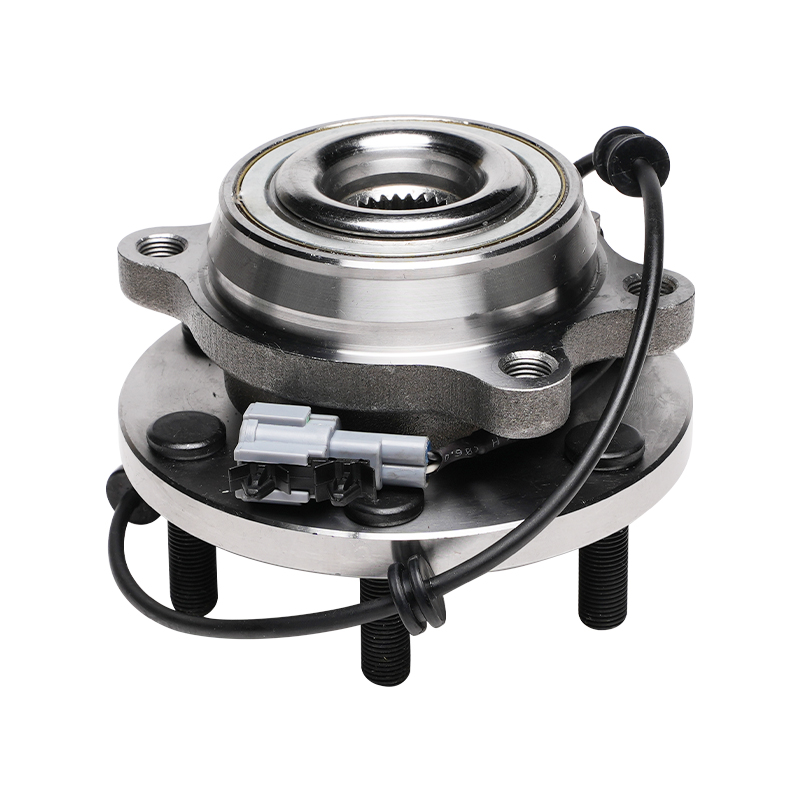
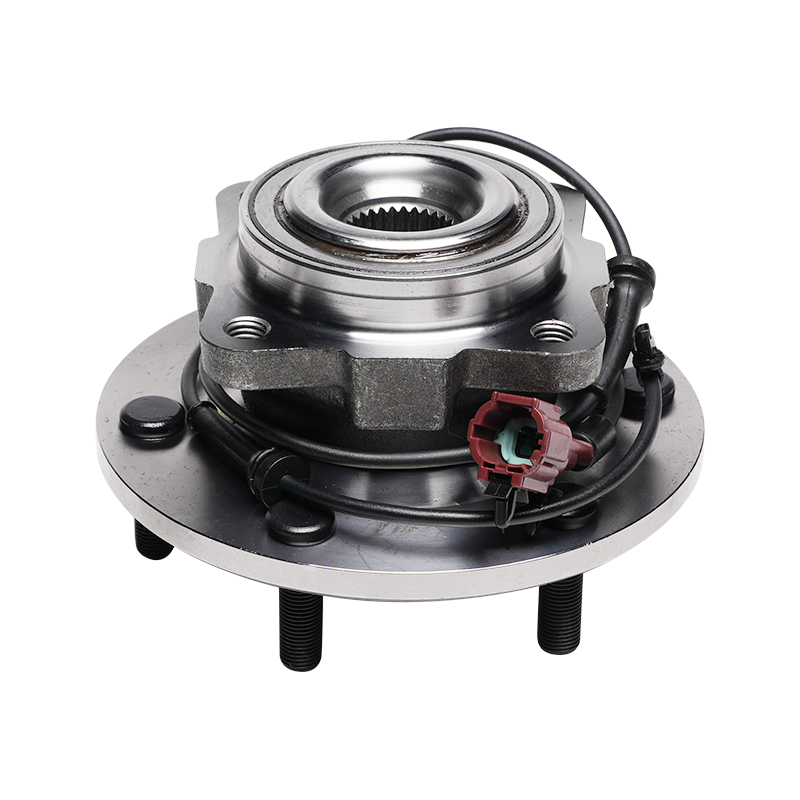
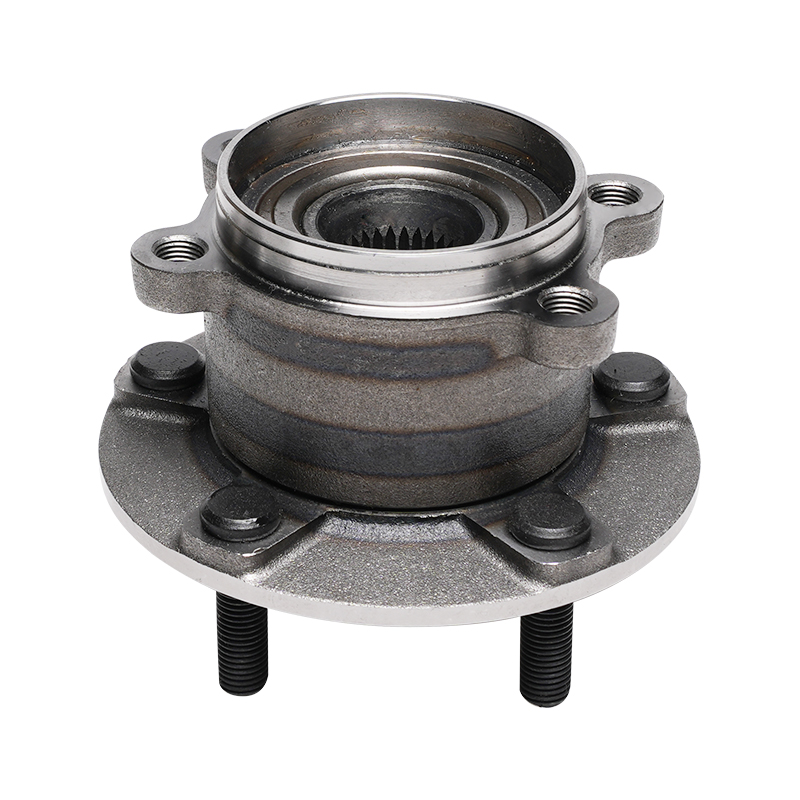
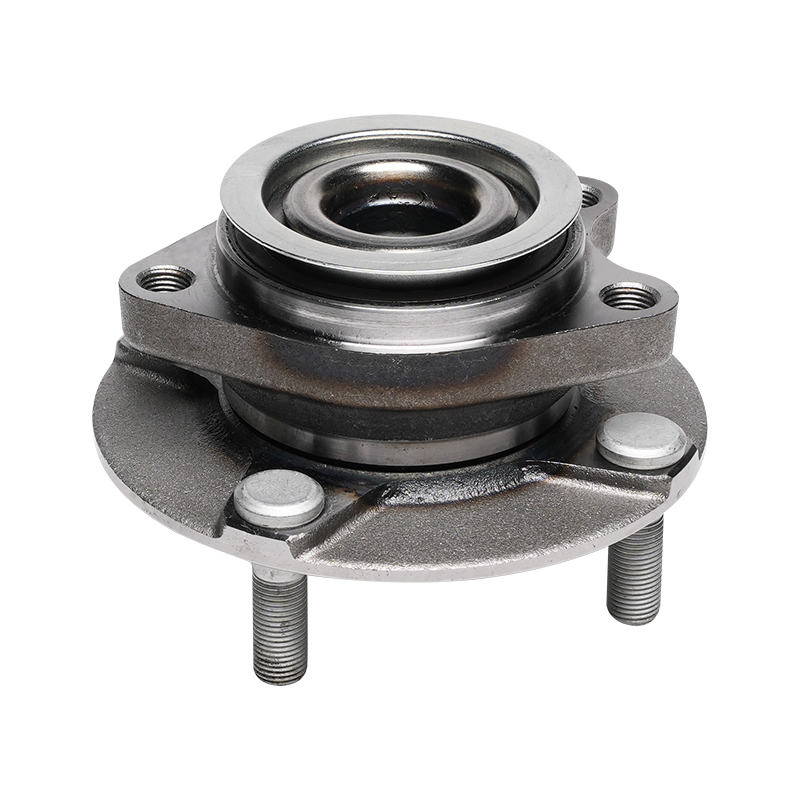
Wheel hub assemblies are fundamental automotive components that securely connect the wheels to the vehicle's chassis. Their primary function is to allow the wheels to rotate with minimal friction while supporting the entire weight of the vehicle. They are vital for safe vehicle operation, directly influencing steering accuracy, braking efficiency, and overall ride smoothness. When a hub assembly fails, it compromises the structural integrity of the wheel mounting, making immediate inspection and replacement non-negotiable for driver safety.
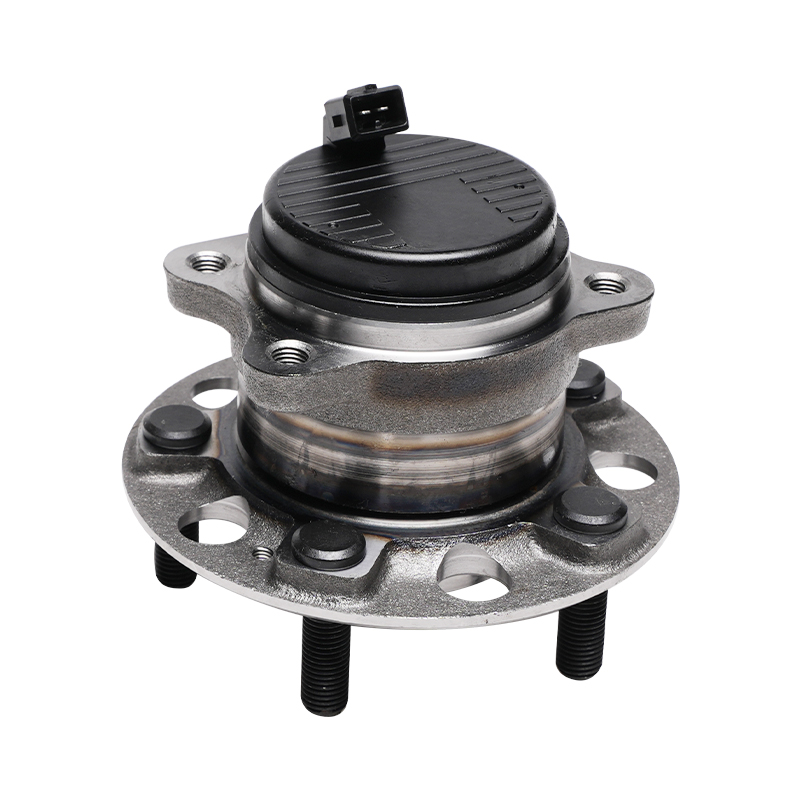
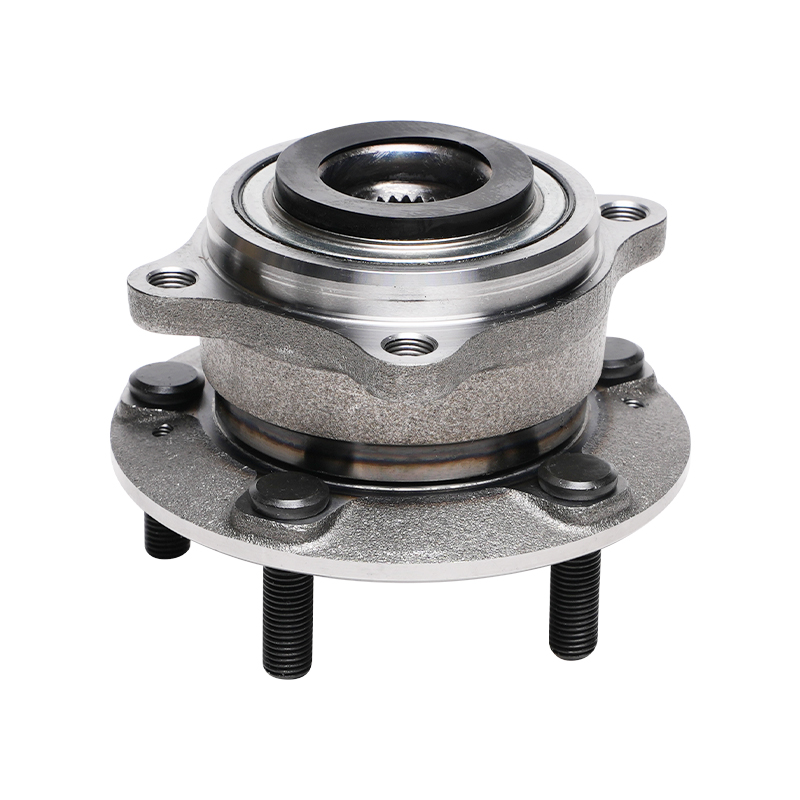
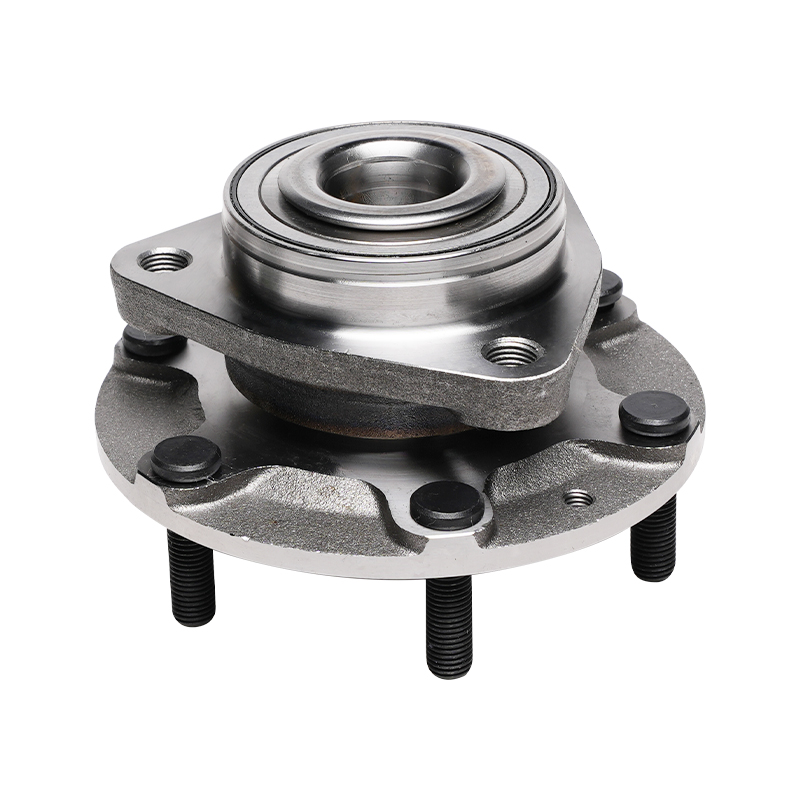
Modern wheel hub assemblies are complex units that combine several critical parts into a single, bolt-on module. Unlike older serviceable wheel bearings that required manual packing with grease and careful adjustment, modern assemblies are sealed and pre-lubricated. They typically consist of the wheel bearing, the hub itself, and frequently an ABS (Anti-lock Braking System) wheel speed sensor.
The primary mechanical duty of the hub assembly is to bear the radial and axial loads generated by the vehicle. Radial loads are the downward weight of the vehicle pressing on the wheel, while axial loads are the side-to-side forces experienced during cornering. The internal bearing raceways are precision-engineered to allow smooth rotation under these immense stresses. A high-quality hub assembly can efficiently distribute these forces, preventing uneven tire wear and maintaining optimal contact between the tire and the road surface.
In contemporary vehicles, the hub assembly plays an active role in safety systems. Many units feature an integrated magnetic encoder or tone ring that works in tandem with an ABS sensor mounted to the steering knuckle. This setup monitors the rotational speed of each wheel. If a wheel loses traction, the sensor sends immediate data to the vehicle's computer, which then modulates brake pressure to prevent skidding. Therefore, a failing hub assembly can trigger false ABS warnings and disable traction control systems.
| Feature | Traditional Wheel Bearing | Modern Hub Assembly |
|---|---|---|
| Maintenance | Requires periodic cleaning, repacking with grease, and adjustment | Sealed unit, maintenance-free until failure |
| Sensor Integration | External ABS sensors and tone rings usually required | Often integrates ABS encoder directly into the bearing seal |
| Replacement | Can be pressed out and replaced separately | Bolt-on installation; entire unit replaced as one piece |
Identifying a deteriorating wheel hub assembly early can prevent catastrophic wheel detachment and expensive secondary damage to the braking and suspension systems. Drivers should remain vigilant for several distinct warning signs that indicate the internal bearing structure has degraded.
The most common symptom of a failing hub assembly is abnormal noise. As the internal rollers and raceways wear down, lose their lubrication, or develop pitting, they generate friction. This typically manifests as a humming, rumbling, or growling sound that intensifies as the vehicle accelerates. If the noise changes pitch when steering slightly left or right, it strongly indicates a compromised hub bearing on the side bearing the load. A severe grinding noise suggests metal-on-metal contact, meaning the bearing is on the verge of complete seizure.
A healthy hub assembly keeps the wheel perfectly centered and rotating on a fixed axis. When the bearing develops excessive internal play, the wheel can wobble slightly. This movement translates into a vibration felt through the steering wheel, particularly at higher speeds. In advanced stages of failure, the steering may feel loose or disconnected, requiring constant micro-corrections to keep the vehicle traveling straight.
While modern wheel hub assemblies are designed for durability, they operate in extremely harsh environments. Several factors can accelerate their degradation, leading to premature failure long before the end of their expected service life.
The Achilles' heel of any sealed bearing is the integrity of its rubber seals. If the seal becomes brittle, cracked, or punctured by road debris, it allows water, dirt, and abrasive particles to enter the bearing cavity. Water displaces the specialized lubricating grease, causing rust and corrosion on the highly polished steel raceways. Once corrosion begins, the bearing's smooth operation is destroyed, leading to rapid wear.
Potholes, speed bumps, and curbs deliver massive shock loads to the suspension system. While the shocks and struts absorb much of this energy, a significant portion is transferred directly to the hub assembly. A singular heavy impact can physically dent the bearing raceways, creating an instant rough spot that will eventually destroy the entire bearing. Frequent driving on poorly maintained roads significantly shortens the lifespan of hub assemblies.
Human error during maintenance is a leading cause of early hub failure. Common mistakes include:
Because modern hub assemblies are sealed and non-serviceable, traditional maintenance like greasing is no longer applicable. However, proactive inspection and mindful driving habits can maximize their lifespan and ensure early detection of potential issues.
During routine tire rotations or brake pad replacements, mechanics should physically inspect the hub assemblies. This involves spinning the wheel by hand to listen for roughness and checking for lateral play. Using a dial indicator to measure end play provides an objective measurement; any reading exceeding the manufacturer's specified tolerance indicates the hub must be replaced immediately. Visual inspection of the ABS sensor ring for missing teeth or corrosion is also critical.
While cleaning the undercarriage and wheel wells is good practice, caution must be exercised around the hub assemblies. Directing a high-pressure washer stream directly at the hub seal can force water past the rubber lip, contaminating the grease. Mechanics and car owners should aim to rinse these areas gently and avoid aggressive chemical degreasers that can degrade the rubber seals over time.
The way a vehicle is driven directly impacts the longevity of its wheel hubs. Reducing speed when approaching unavoidable potholes and avoiding contact with curbs during parallel parking can save the bearings from destructive shock loads. Furthermore, avoiding overloading the vehicle beyond its gross weight rating prevents excessive stress on the internal bearing components.
When a wheel hub assembly fails, replacing the entire unit is the only viable solution. The process requires mechanical knowledge, specific tools, and strict adherence to torque specifications. A systematic approach ensures the new component functions correctly and safely.
The vehicle must be securely lifted and supported on jack stands, and the wheel removed. The axle nut, which is under high tension, must be loosened—often requiring a breaker bar or an impact gun. The brake caliper and rotor are then removed to expose the hub assembly. The hub is typically held to the steering knuckle by three or four mounting bolts. These bolts can be prone to corrosion and may require penetrating oil and careful extraction to avoid snapping.
Once the old hub is extracted, the mating surface on the steering knuckle must be thoroughly cleaned with a wire brush. The new hub assembly is carefully pressed into place. The mounting bolts are tightened in a star pattern to ensure even seating. The most critical step is tightening the axle nut. The axle nut must be torqued to the exact manufacturer specification using a calibrated torque wrench, never an impact gun. Over-tightening will crush the bearing, while under-tightening will cause the wheel to wobble and eventually shear the drive splines.
After reassembling the brakes and reinstalling the wheel, the vehicle should be lowered. Before driving, the brake pedal must be pumped to seat the caliper pistons. A low-speed test drive should be conducted to verify the absence of noise and ensure the ABS light remains off. It is often recommended to replace hub assemblies in pairs (both front or both rear) if the vehicle has high mileage, to maintain balanced handling and performance.
Request for a call today


Tel: +86 0575-87785959

E-mail: [email protected]

Add:Room 215, Building 3, No. 1887, Asia Pacific Road, Wenyan Street, Xiaoshan District, Hangzhou, Zhejiang, China
