 Search for products...

 English
 中文简体
中文简体
Looking For Business Opportunity?
Request for a call today
NEW
 2026.07.01
 Industry News
The most critical takeaway regarding wheel hub assemblies is that they are fundamental to vehicle safety and handling. If you suspect any issue with your wheel hubs, you must address it immediately. Driving with a compromised hub assembly can lead to the wheel separating from the vehicle, loss of steering control, or catastrophic brake failure. While the initial symptoms might seem like minor annoyances such as unusual noises or vibrations, they indicate that the structural integrity of the wheel connection is at risk. Therefore, regular inspection and prompt replacement upon detecting failure are non-negotiable for maintaining vehicle stability.
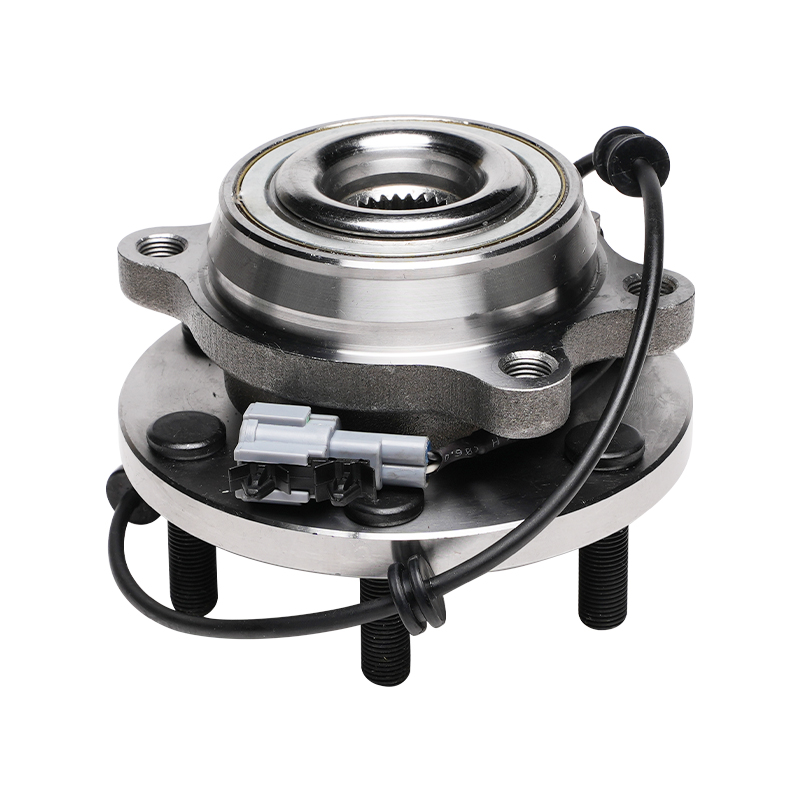
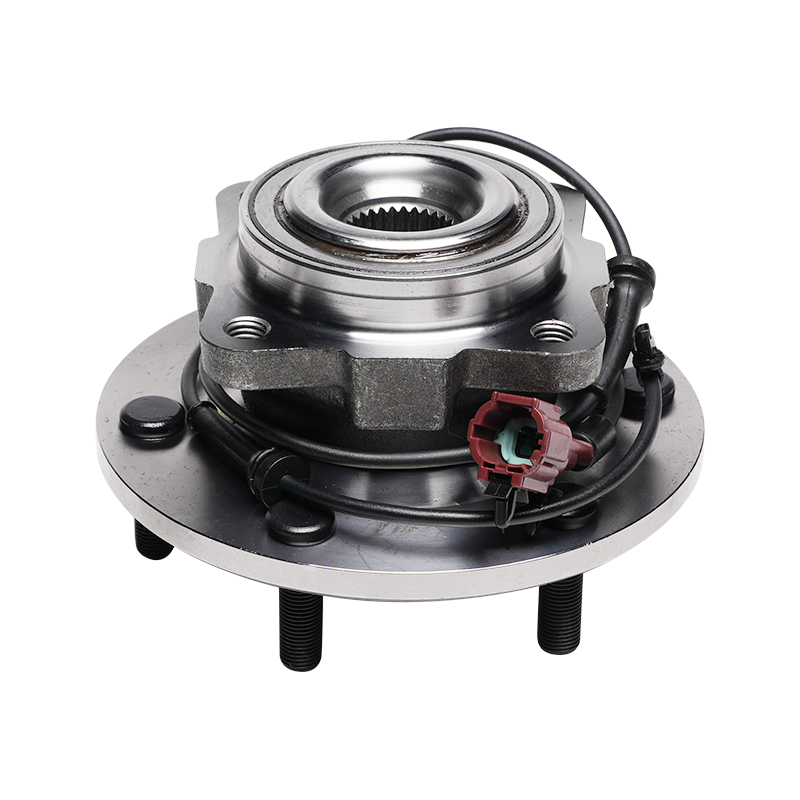
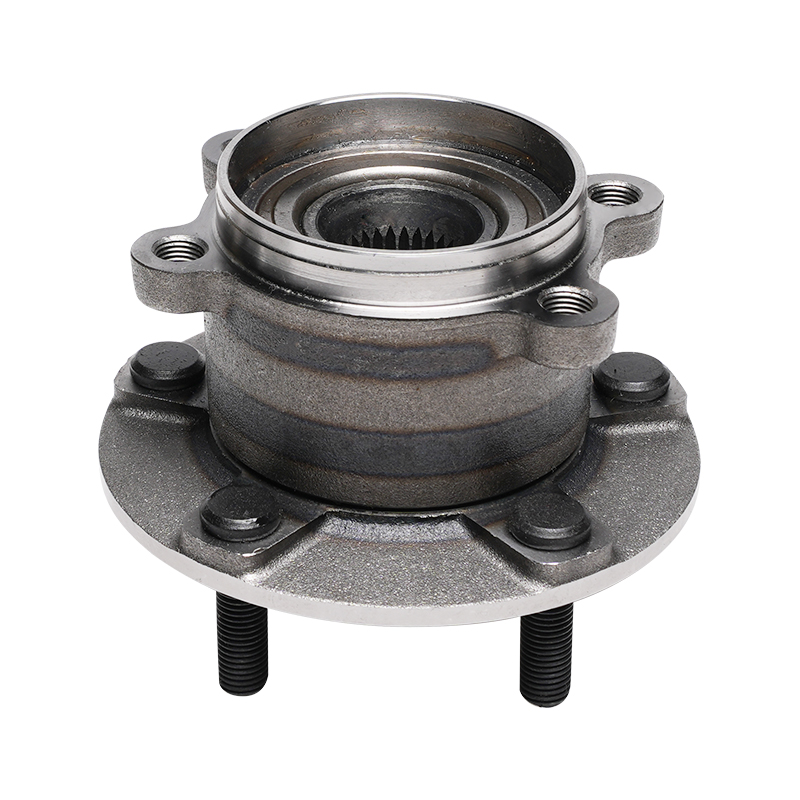
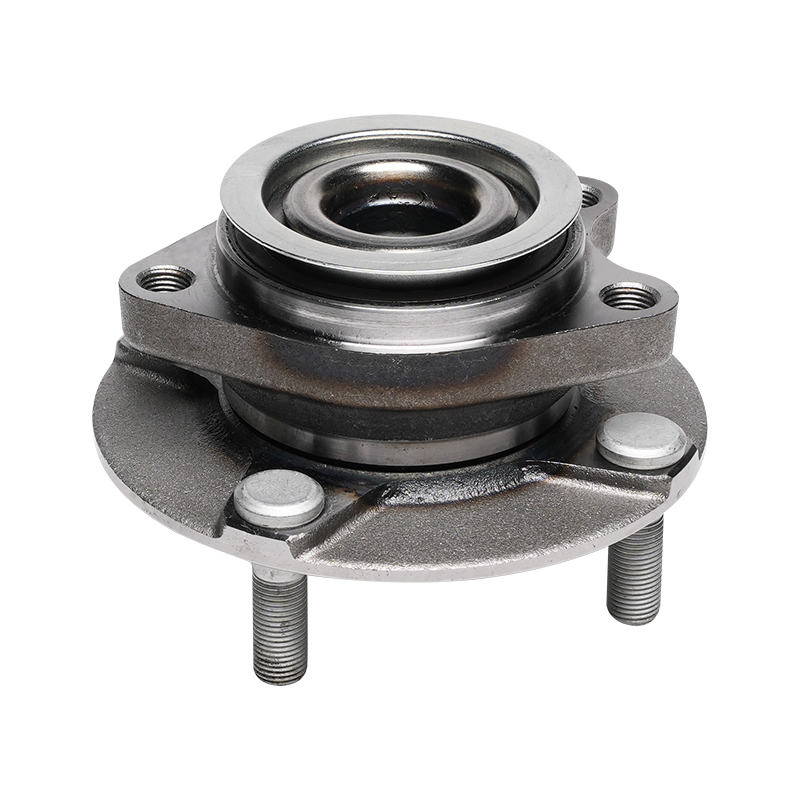
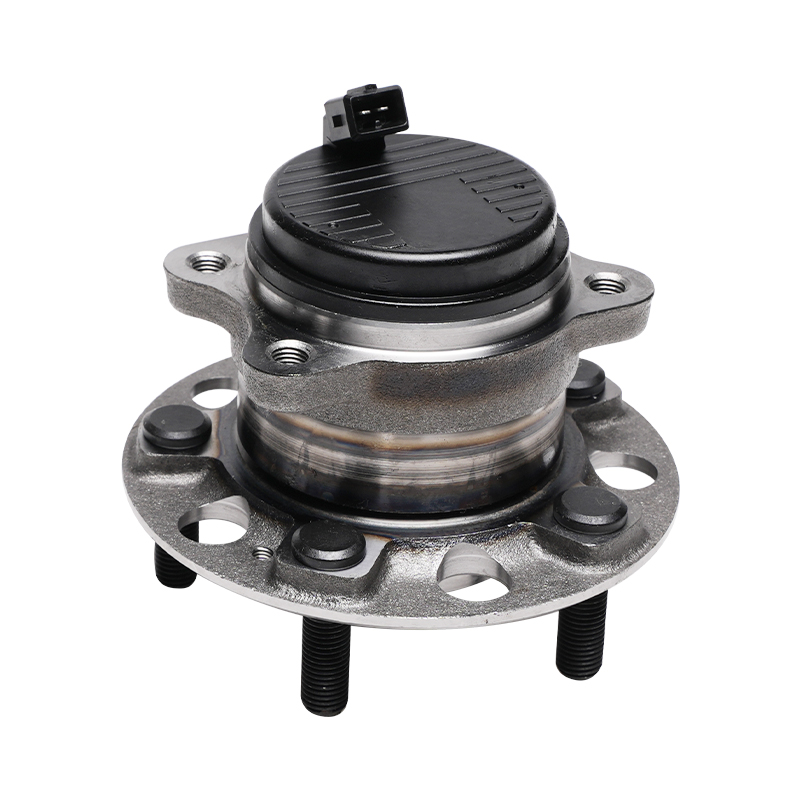
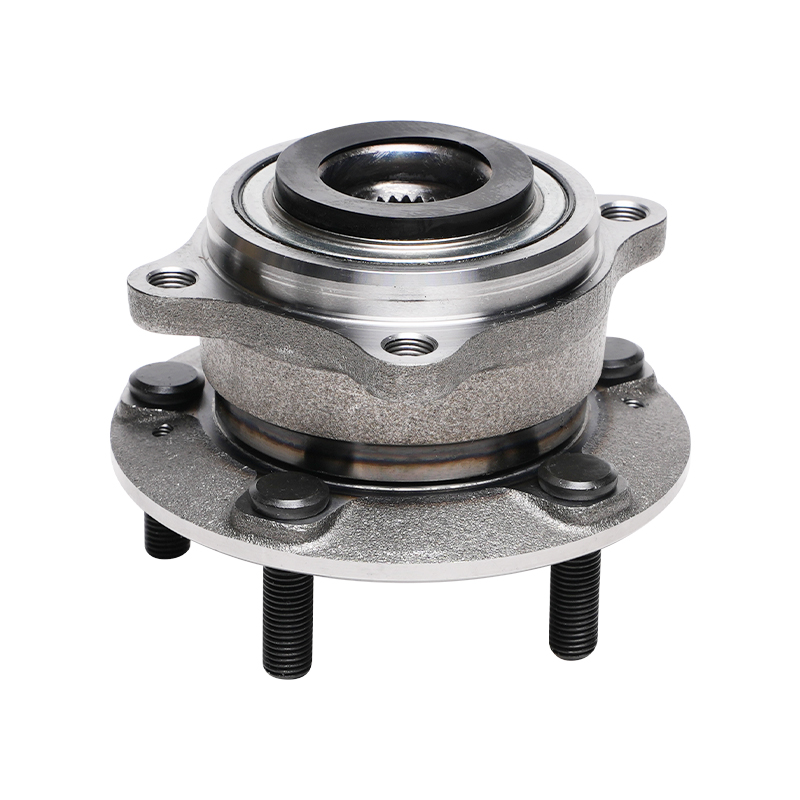
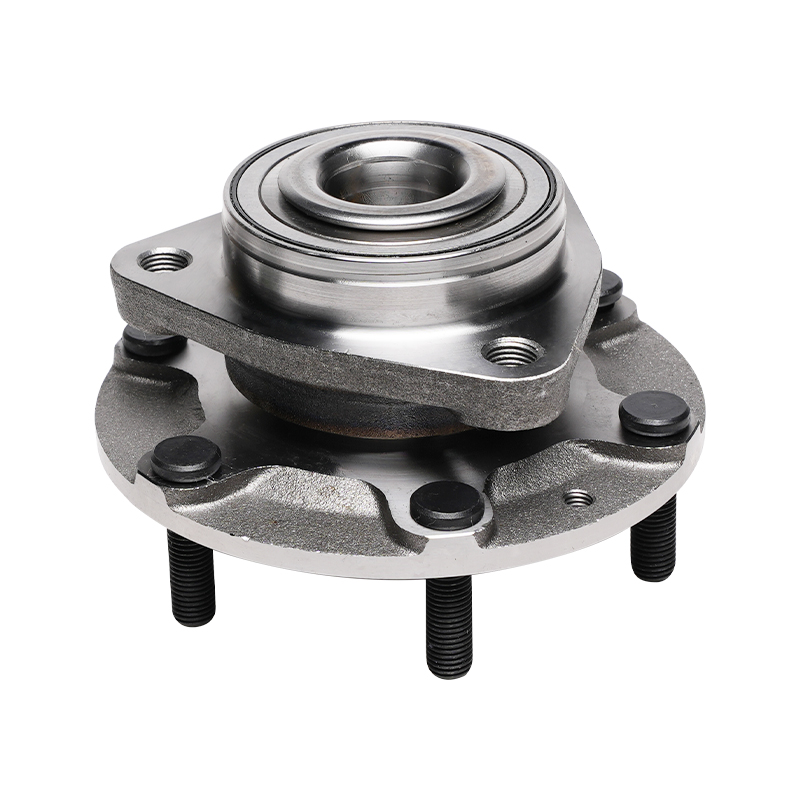
A wheel hub assembly is a critical component of a vehicle's suspension and steering system. It serves as the mounting point for the wheel and tire to the vehicle. While older vehicles often used separate bearings and hubs that required individual packing and maintenance, modern vehicles typically utilize a consolidated unit known as a hub bearing assembly or hub unit. This integration has simplified the manufacturing process and improved reliability by reducing the number of parts that can fail independently.
The assembly typically consists of the hub itself, which is a metal casting with a stud or bolt plate to hold the wheel, and the bearing, which allows the hub to rotate freely around the axle spindle. In many modern designs, the wheel speed sensor (ABS sensor) is integrated directly into the assembly. This sensor monitors the rotational speed of the wheel and sends data to the vehicle's computer, which manages anti-lock braking and traction control systems. The bearing inside is usually a double-row angular contact ball bearing or a tapered roller bearing, sealed at the factory to keep out contaminants and retain lubrication for the life of the unit.
The primary function of the wheel hub assembly is to allow the wheel to rotate with minimal friction while supporting the vehicle's weight. It must withstand heavy radial loads (the weight of the vehicle) and axial loads (forces during cornering). Additionally, it acts as the central mounting point for the brake disc or drum, making it essential for the braking system's operation. The precise fit and engineering of this component ensure that the wheels stay true to their alignment angles, promoting even tire wear and predictable handling.
Recognizing the symptoms of a failing wheel hub assembly early can save you from more expensive repairs and dangerous driving situations. Because the bearing wears out gradually, the symptoms often start subtly and worsen over time. Ignoring these early warnings is a common mistake that leads to complete bearing seizure.
The most common symptom is noise. A bad wheel bearing often produces a growling, humming, or chirping noise that increases in pitch and volume as the vehicle accelerates. This noise is often mistaken for engine noise, but a distinctive characteristic is that it changes with vehicle speed, not engine RPM. To diagnose this, safely drive the vehicle at a constant speed where the noise is audible, then gently swerve the vehicle left and right. If the noise gets louder when turning left, the right wheel bearing is likely failing (because the load is shifting to the right), and vice versa.
As the bearing wears, the roughness of the rotating elements can cause vibrations that are felt through the floorboard, seat, or steering wheel. In severe cases, the play in the hub can affect wheel alignment, causing the vehicle to pull to one side. If the steering wheel shakes or wanders, it suggests that the hub is no longer holding the wheel firmly in the correct position, which significantly impacts handling and safety.
Since many modern assemblies house the ABS sensor, a failing internal sensor or a damaged tone ring (the reluctor ring) can trigger the ABS warning light on the dashboard. If the sensor cannot read the wheel speed accurately due to wobble in the hub or internal damage, the traction control and ABS systems may be disabled. This is a critical electronic warning that should be scanned for trouble codes immediately.
| Symptom | Description | Likely Cause |
|---|---|---|
| Growling Noise | Constant sound that changes with speed | Worn bearing races/rollers |
| Steering Pull | Vehicle drifts left or right unexpectedly | Excessive play in the hub |
| ABS Light | Dashboard warning light illuminates | Sensor or tone ring damage |
Wheel hub assemblies are designed to be durable, often lasting between 85,000 and 100,000 miles. However, several factors can cause premature failure. Understanding these causes can help drivers adjust their habits to extend the life of these components.
One of the leading causes of sudden bearing failure is impact damage. Hitting a deep pothole, a large curb, or striking a speed bump at high speed can create small dents or brinelling (indentations) on the bearing races. Once these smooth surfaces are damaged, the rolling elements (balls or rollers) will bump over these imperfections with every rotation, causing rapid wear and noise. Even if the hub looks fine externally, the internal precision raceways can be compromised.
While most modern units are sealed, driving through deep water or mud can force moisture and dirt past the seals. Water is particularly damaging because it causes corrosion on the steel surfaces and washes away the essential grease inside the bearing. Once the lubrication is compromised, metal-on-metal contact occurs, generating heat and friction that destroy the bearing quickly. Corrosion is the silent killer of wheel hubs, as it can weaken the assembly from the inside long before it becomes audible.
A significant number of premature failures occur shortly after a replacement job. If the axle nut is not torqued to the manufacturer's exact specification, problems will arise. Over-tightening can preload the bearing too much, causing excessive heat and failure, while under-tightening allows too much play, leading to wobbling and vibration. Furthermore, using an impact wrench to hammer the new unit onto the spindle can damage the internal sensors or the bearing races immediately. Proper installation requires a calibrated torque wrench and often the use of a sleeve to press the hub evenly.
Before replacing parts, it is crucial to accurately diagnose the problem. Because other issues like unevenly worn tires or warped brake rotors can mimic bearing failure, a systematic approach to diagnosis is necessary.
To perform this test, the vehicle must be safely lifted off the ground with a jack and secured on jack stands. Grab the tire at the 12 o'clock and 6 o'clock positions and try to rock it back and forth. Any noticeable movement or clunking sensation usually indicates wear in the wheel hub assembly or suspension ball joints. To differentiate, place your hand on the coil spring (if applicable) near the strut mount while rocking the wheel; if you can feel the vibration in the spring, it is likely the bearing. Then, spin the wheel by hand. If it feels rough, gritty, or makes a scraping sound, the hub is compromised.
As mentioned earlier, the road test involves listening to how the noise changes with speed and direction. However, for a more precise mechanical check, a mechanic's stethoscope or a long screwdriver can be used. With the vehicle safely lifted and the engine running (in drive, with wheels spinning if safe and possible, or simply after a drive to identify the hot hub), place the stethoscope probe against the hub assembly (avoiding moving parts). A good bearing will sound like a smooth, low hum. A failing bearing will sound like a rough, grinding growl. Be extremely cautious when performing this test near rotating wheels.
If the ABS light is on, using an OBD-II scanner to read the live data stream is highly effective. By comparing the wheel speed sensor readings of all four wheels while driving on a lift (or during a test drive), you can identify a wheel that is reading erratically or showing a different speed than the others. This confirms that the tone ring or sensor within the assembly is faulty.
Replacing a wheel hub assembly is a moderate-to-advanced DIY task, but it requires specific tools and attention to detail. The process varies significantly between front and rear-wheel-drive vehicles and whether the hub is pressed into the knuckle or bolted on.
To perform the job correctly, you will need a breaker bar, a socket set, and a torque wrench. A slide hammer is often required for removal. Crucially, you need a large socket for the axle nut. For pressed-in hubs, a hydraulic press is usually necessary, which makes this job impractical for home mechanics without access to a heavy-duty press. Bolt-on hubs are much more accessible for DIY replacement as they generally require standard hand tools.
After installation, a test drive is mandatory to confirm that the noise is gone and the vehicle tracks straight. Additionally, if the vehicle is equipped with ABS, you may need to clear the trouble codes with a scanner, though some systems will reset themselves after a few drive cycles. Check for proper tire pressure to ensure accurate comparisons.
While modern hub assemblies are "maintenance-free" units, meaning you cannot grease them, taking care of the surrounding components can help them last longer. Ensuring that the CV joint boot is intact prevents grease from slinging onto the brakes and hub area. Furthermore, avoiding aggressive driving, such as hitting potholes at speed or mounting curbs, significantly reduces the shock load transferred to the bearing races. Regular visual inspections during tire rotations can help catch corrosion or leaks early, allowing for preventative maintenance before a roadside failure occurs.
Request for a call today


Tel: +86 0575-87785959

E-mail: [email protected]

Add:Room 215, Building 3, No. 1887, Asia Pacific Road, Wenyan Street, Xiaoshan District, Hangzhou, Zhejiang, China
