 Search for products...

 English
 中文简体
中文简体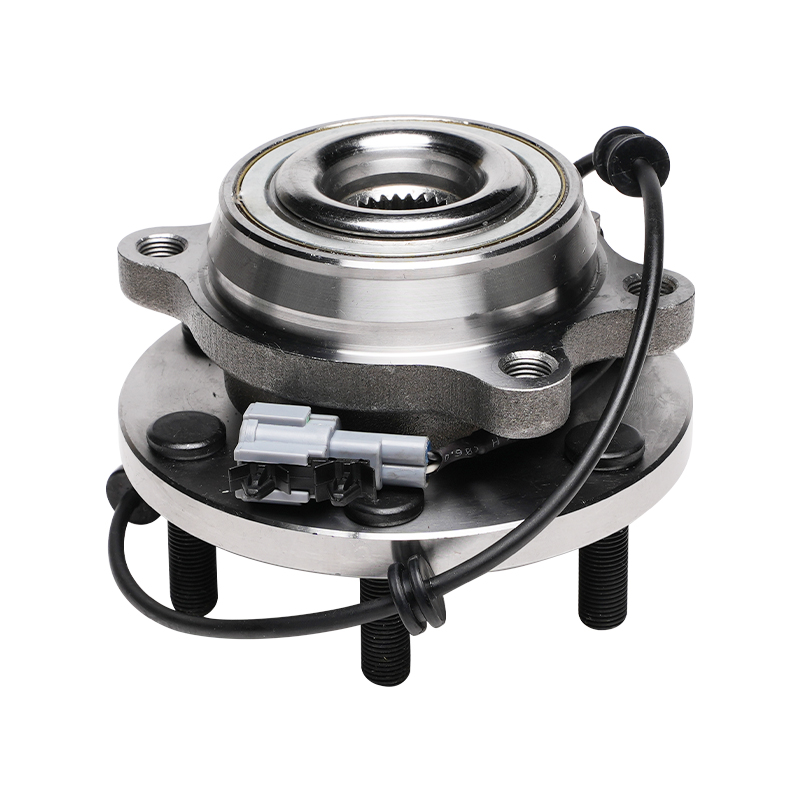
Looking For Business Opportunity?
Request for a call today
NEW
 Home / News / Industry News / What Are the Differences Between Wheel Hub Bearings and Regular Bearings?
 2026.02.15
 Industry News
Understanding the differences between wheel hub bearings and regular bearings is crucial for vehicle maintenance. Bearings are vital components in many mechanical systems, including automobiles, where they facilitate smooth movement of rotating parts. In this article, we will explore the structure, function, and maintenance needs of wheel hub bearings and how they differ from traditional bearings used in other machines and industries.
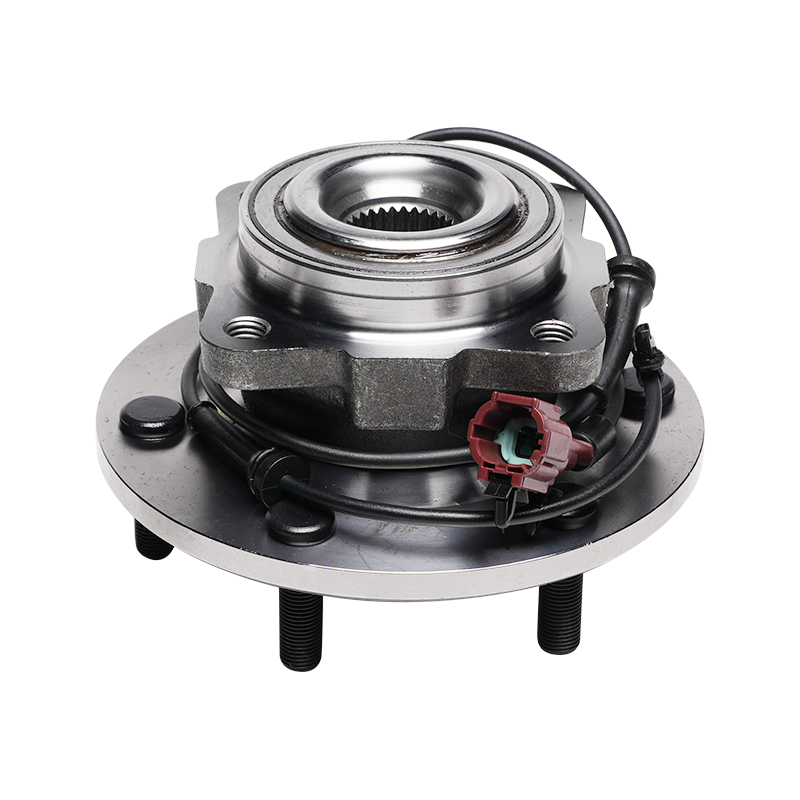
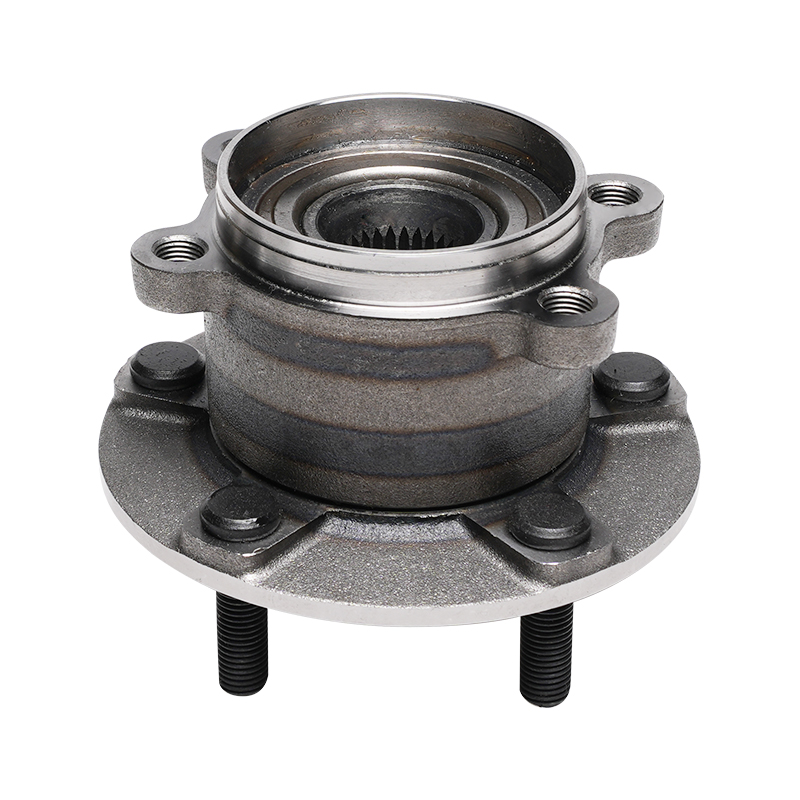
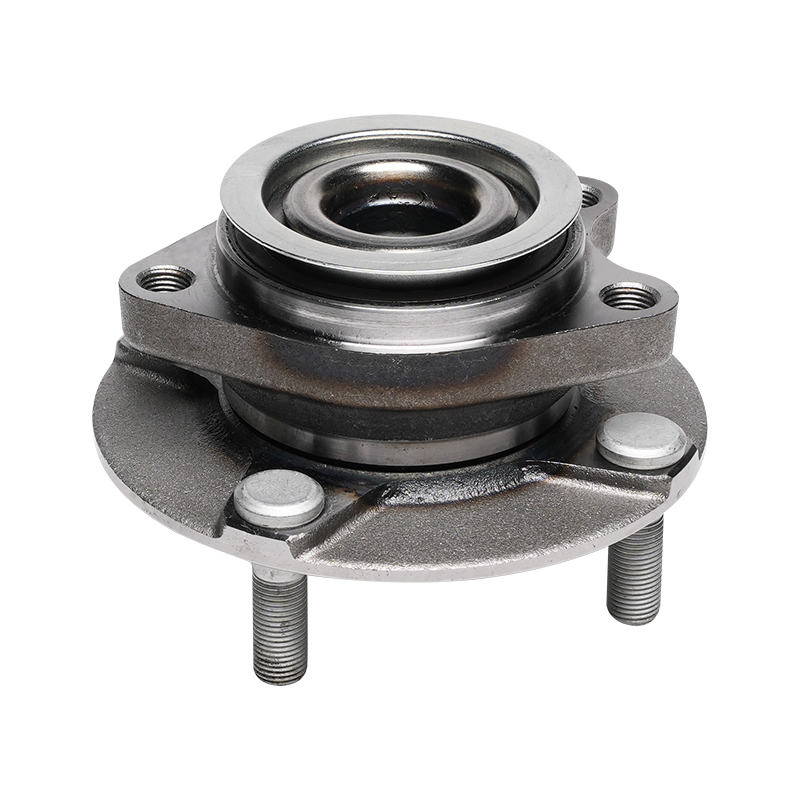
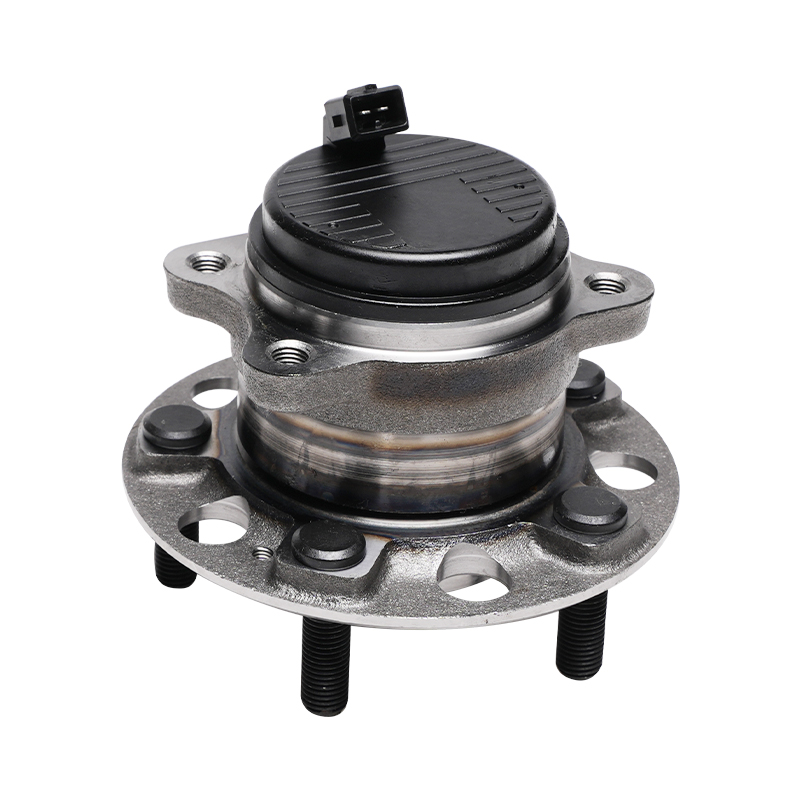
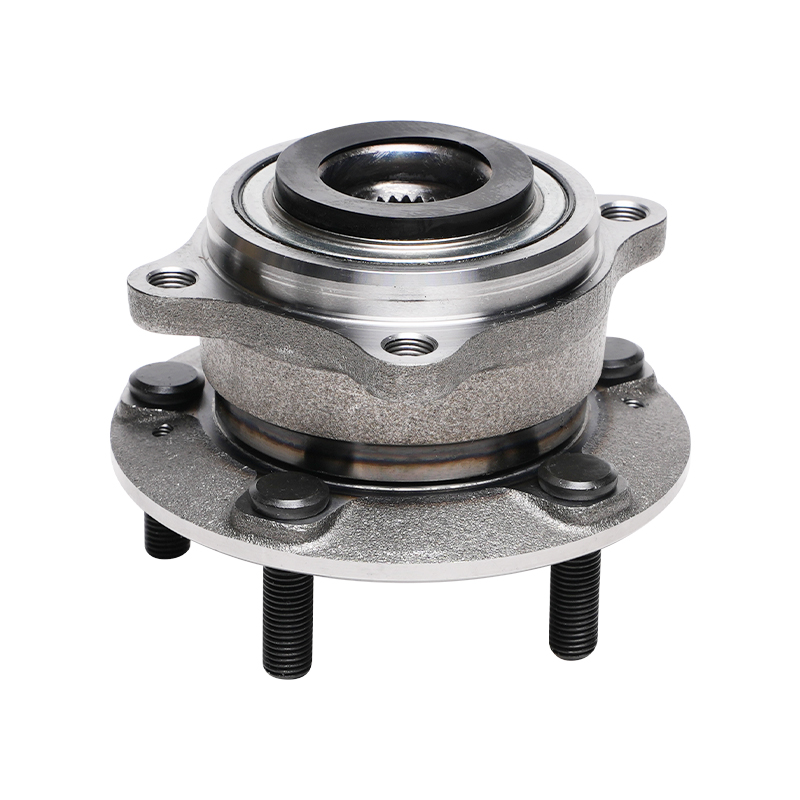
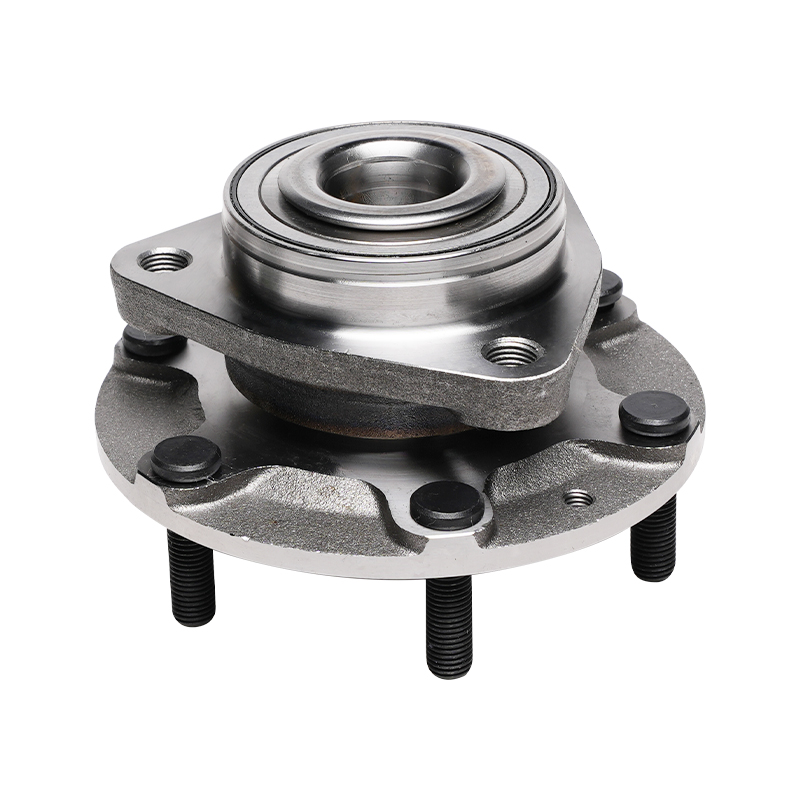
Wheel hub bearings are specialized components used in vehicles to connect the wheel to the axle and allow for smooth rotation. These bearings support the vehicle's weight and help reduce friction between moving parts. A wheel hub bearing typically consists of an inner race, an outer race, rolling elements (balls or rollers), and a cage to maintain the spacing of the rolling elements.
Wheel hub bearings also come with seals to prevent dirt and moisture from entering, which helps prolong their lifespan. These bearings are engineered to withstand high loads, especially in vehicles that are regularly subjected to high-speed driving or harsh road conditions.
A regular bearing refers to any bearing that is used to support rotating shafts in mechanical systems. These bearings can vary in design depending on the application. While they serve the same general purpose of reducing friction and facilitating smooth rotation, regular bearings come in a wide range of types, such as ball bearings, roller bearings, and needle bearings, each suited for different environments and loads.
The primary distinction between wheel hub bearings and regular bearings lies in their design, material, and application. Below is a comparison table to highlight these differences:
| Feature | Wheel Hub Bearing | Regular Bearing |
| Function | Supports vehicle wheels, enabling smooth rotation and absorbing load from the road. | Supports rotating shafts in various machines to reduce friction. |
| Design | Sealed, self-contained with both inner and outer races, and integrated with the wheel hub. | Varies in design: open or sealed, with different types like ball, roller, or needle bearings. |
| Application | Used in vehicles to support the wheel and axle, especially for high-speed, high-load environments. | Used in many machines and systems, from household appliances to heavy industrial machinery. |
| Load Bearing | Can handle heavy axial and radial loads, often exposed to harsh weather conditions. | May handle lighter loads or be specialized for high-precision environments. |
| Sealing | Often includes advanced sealing mechanisms to prevent contaminants like dust or water from entering. | Varies; some may have seals, others are open or lightly shielded. |
There are several signs that indicate a wheel hub bearing may be failing. These symptoms are crucial to diagnose early, as a malfunctioning bearing can lead to further damage and even accidents.
Replacing a wheel hub bearing can be a complex task, but with the proper tools and knowledge, it can be done by experienced DIYers. Below are the general steps involved:
Regular maintenance can extend the lifespan of your wheel hub bearings and ensure the safety of your vehicle. Here are some tips:
Understanding the differences between wheel hub bearings and regular bearings is essential for proper vehicle maintenance. While both types of bearings serve similar functions, their design and application vary significantly. Regular checks and proper maintenance of wheel hub bearings will help prevent costly repairs and ensure optimal performance.
Request for a call today


Tel: +86 0575-87785959

E-mail: [email protected]

Add:Room 215, Building 3, No. 1887, Asia Pacific Road, Wenyan Street, Xiaoshan District, Hangzhou, Zhejiang, China
