 Search for products...

 English
 中文简体
中文简体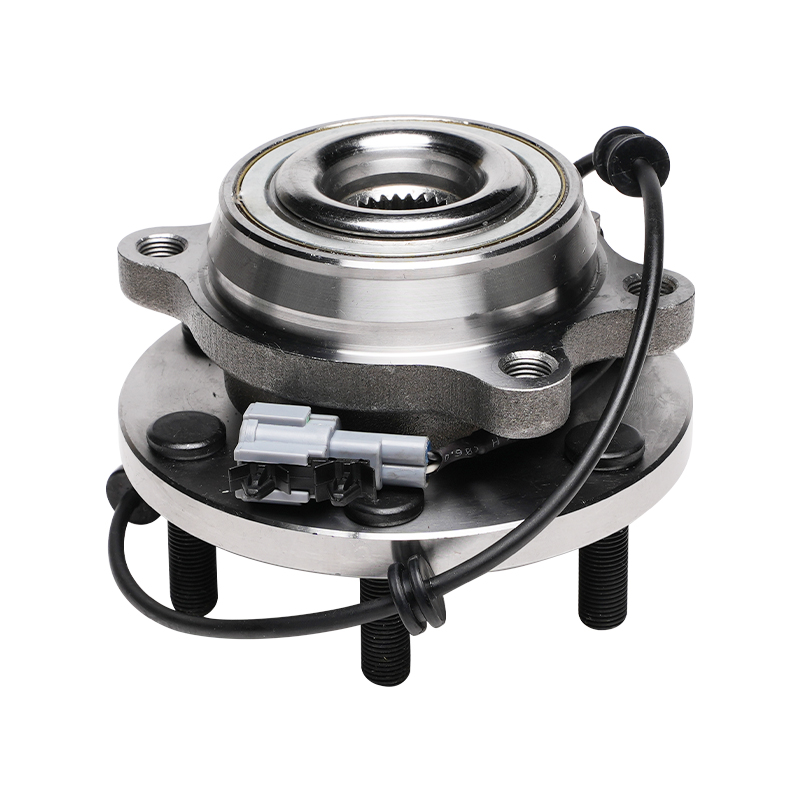
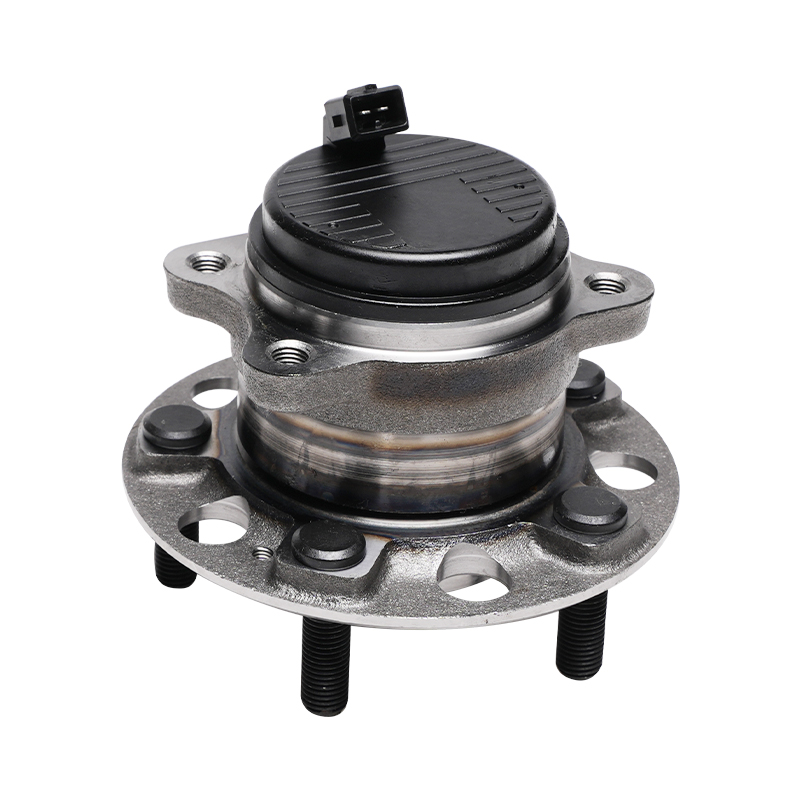
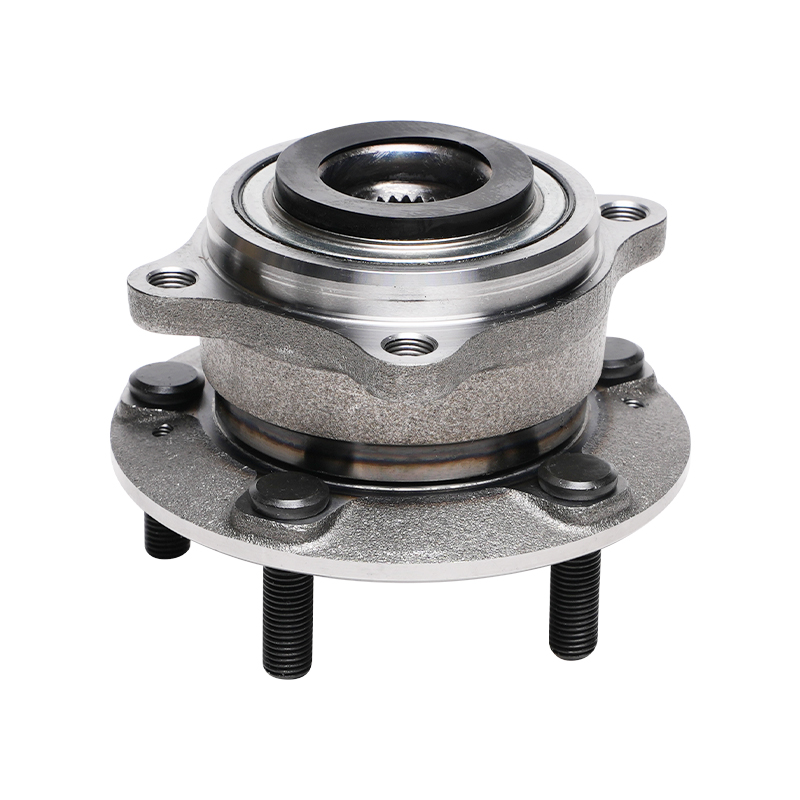
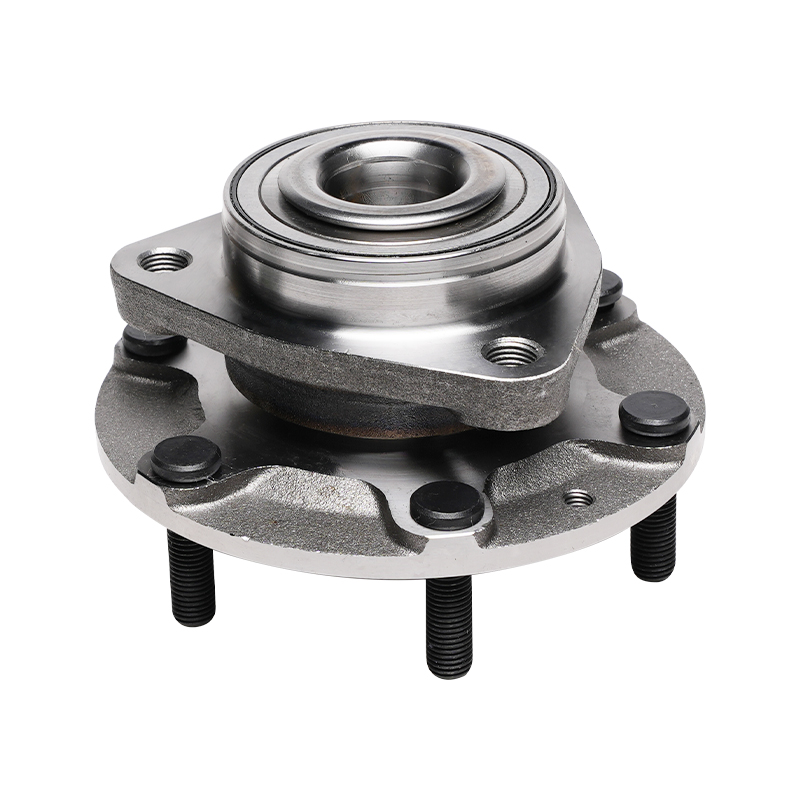
Looking For Business Opportunity?
Request for a call today
NEW
 Home / News / Industry News / How to Maintain and Extend the Life of Your Japanese Car Wheel Bearings?
 2026.02.22
 Industry News
Wheel bearings play a crucial role in the overall performance and safety of your vehicle. For Japanese cars, proper maintenance of wheel bearings is vital to ensuring long-term reliability. In this article, we will cover the maintenance tips for Japanese car wheel bearings and discuss how to extend their lifespan.
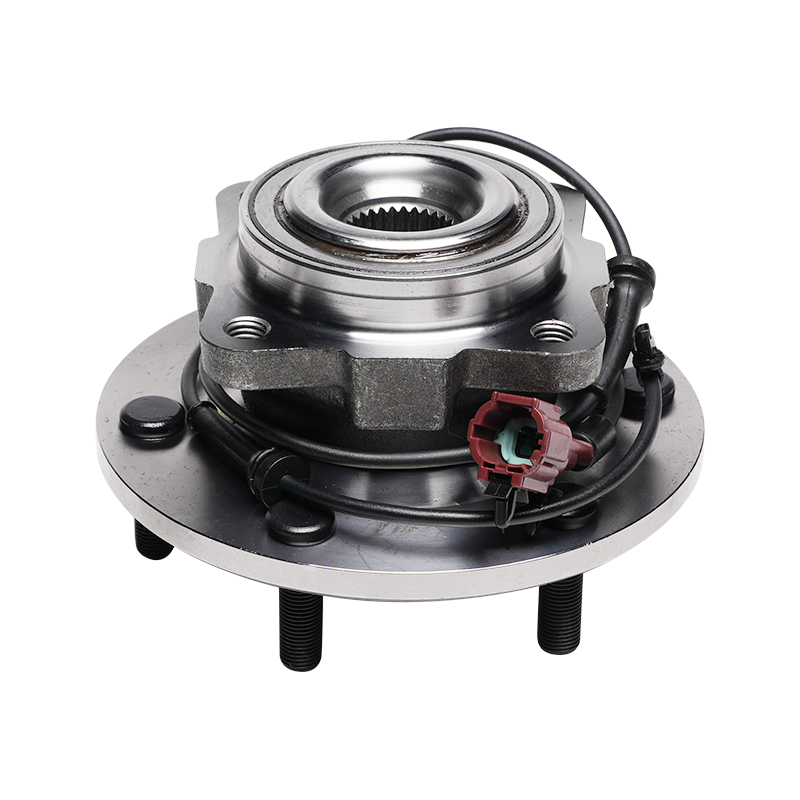
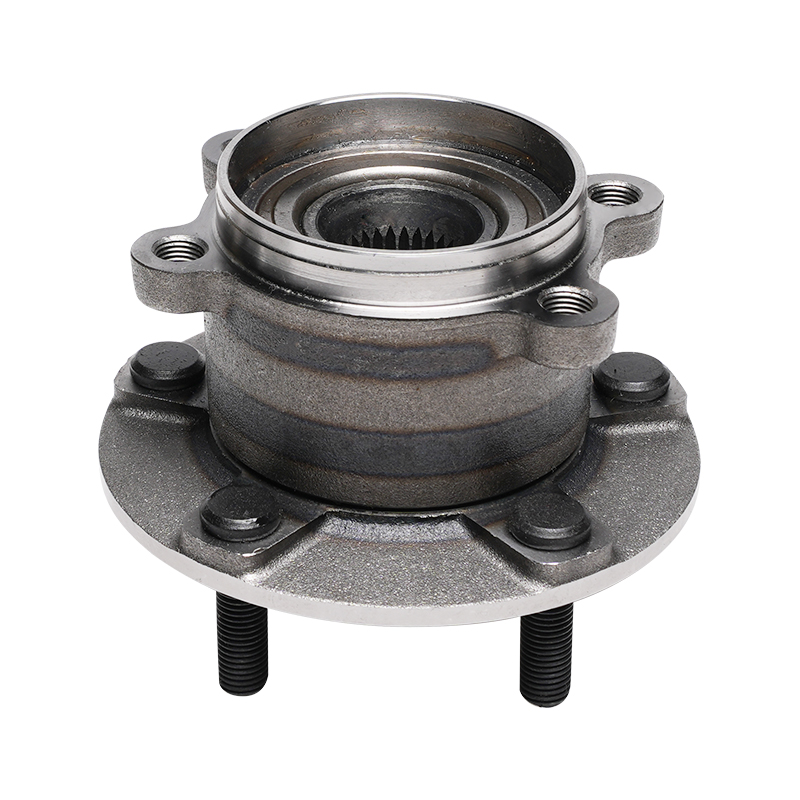
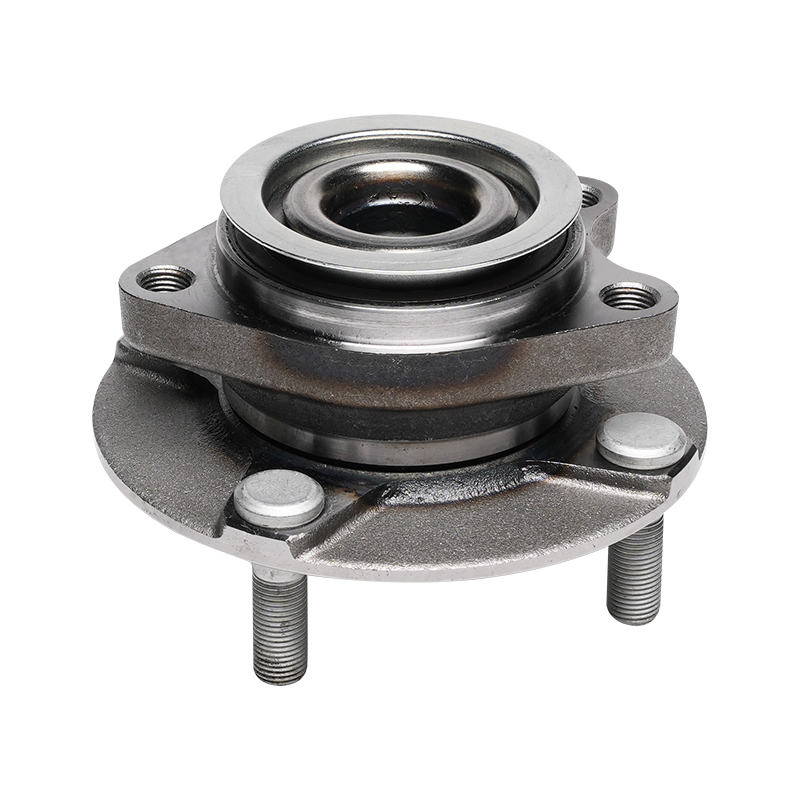
Wheel bearings are critical components of a vehicle's wheel assembly. They enable the wheel to rotate smoothly while supporting the weight of the vehicle. Japanese car wheel bearings, in particular, are designed to provide superior performance and durability, ensuring smooth rides even under various road conditions.
The basic function of a wheel bearing is to reduce friction between moving parts of the wheel hub assembly. This ensures that the wheel can rotate without excessive wear and tear. Wheel bearings also absorb the stresses and forces transmitted through the tires, improving vehicle stability and performance.
Over time, wheel bearings can wear out and produce noise, which is one of the most common problems car owners face. A grinding or humming noise from the wheels may indicate a bearing failure.
When you notice unusual sounds, it's important to inspect the wheel bearings promptly. Regular lubrication and timely replacement are key to preventing noise-related issues. If left unchecked, these issues can escalate and cause further damage.
Understanding the early symptoms of Japanese car wheel bearing failure helps identify issues before they cause more significant damage.
When selecting wheel bearings, the brand and quality of the bearing are crucial for long-term performance. The right choice can affect the lifespan of the bearing and overall vehicle safety.
OEM (Original Equipment Manufacturer) bearings are designed specifically for your car model, offering a higher level of reliability and performance. Aftermarket bearings may be cheaper but can vary in quality, so careful selection is necessary.
| OEM Bearings | Aftermarket Bearings |
| Higher reliability | Varies depending on the manufacturer |
| Designed for specific car models | May not be an exact fit |
| Longer lifespan | Can be cost-effective |
Regularly inspect your wheel bearings for signs of wear, corrosion, or contamination. Cleaning the bearings and checking for lubrication is an essential part of maintaining Japanese car wheel bearings.
Lack of lubrication is one of the primary causes of premature wheel bearing failure. Use high-quality lubricants to keep the bearings functioning optimally.
By adopting better driving practices, you can reduce the strain on your wheel bearings and improve their lifespan.
Replacing the wheel bearing seals at regular intervals ensures that dirt, moisture, and debris do not enter the bearing and cause damage.
On average, wheel bearings in Japanese cars should be inspected every 50,000 to 100,000 miles. However, the replacement cycle may vary depending on the car model, driving conditions, and the type of bearings used.
Maintaining your Japanese car wheel bearings is essential for ensuring vehicle safety and smooth performance. By following the proper maintenance tips and choosing the right bearings, you can significantly extend the lifespan of your wheel bearings and avoid costly repairs.
Typically, wheel bearings should be inspected every 50,000 to 100,000 miles, with replacement occurring if they show signs of wear or failure.
Signs include abnormal noises such as humming or grinding, vibrations in the steering wheel, or excessive heat around the wheels.
Adopting smooth driving habits, regularly maintaining tire alignment, and avoiding rough roads will help reduce wheel bearing wear.
While aftermarket bearings can be a cost-effective option, ensure they are of high quality to avoid potential issues with fitment and longevity.
To clean and lubricate your wheel bearings, remove any debris, apply the recommended lubricant, and ensure the bearings rotate smoothly.
Request for a call today


Tel: +86 0575-87785959

E-mail: [email protected]

Add:Room 215, Building 3, No. 1887, Asia Pacific Road, Wenyan Street, Xiaoshan District, Hangzhou, Zhejiang, China
