 Search for products...

 English
 中文简体
中文简体
Looking For Business Opportunity?
Request for a call today
NEW
 2026.05.22
 Industry News
The wheel hub bearing is an indispensable component that directly dictates the safety, handling, and comfort of a vehicle. Without a properly functioning hub bearing, a wheel cannot rotate freely, stably, or securely. It seamlessly integrates the wheel assembly to the vehicle chassis, bearing the entire vertical weight while managing the extreme lateral forces generated during cornering and the axial thrust from acceleration and braking. A failure in this component is not merely an inconvenience; it is a severe safety hazard that can lead to catastrophic wheel detachment or loss of vehicle control. Therefore, understanding its mechanics, recognizing the early warning signs of failure, and adhering to rigorous maintenance protocols are not optional—they are essential obligations for any vehicle owner or automotive technician.
At its most fundamental level, a wheel hub bearing serves a dual purpose: providing a smooth, low-friction surface for the wheel to rotate upon, and serving as the rigid mechanical link between the wheel and the suspension system. The hub itself acts as the mounting platform for the wheel and brake rotor, while the bearing inside allows this heavy assembly to spin at high speeds without generating destructive heat through metal-on-metal friction.
However, the role extends far beyond simple rotation. The wheel hub bearing must support the static and dynamic loads of the vehicle. When a vehicle navigates a corner, centrifugal force pushes the vehicle's mass outward, transferring immense lateral loads onto the bearing. Similarly, during hard braking, the forward momentum translates into severe shear forces. A typical passenger vehicle hub bearing must endure vertical loads exceeding half a ton per wheel, alongside continuous shock impacts from road imperfections. This requires the bearing assembly to possess exceptional structural rigidity and material fatigue resistance, ensuring the wheel maintains precise geometric alignment under all driving conditions.
The architecture of a wheel hub bearing has evolved significantly from early automotive designs. Historically, wheel bearings were serviceable, separate components—typically consisting of inner and outer tapered roller bearings that required manual packing with grease and regular preload adjustments. Today, the vast majority of modern vehicles utilize integrated hub units.
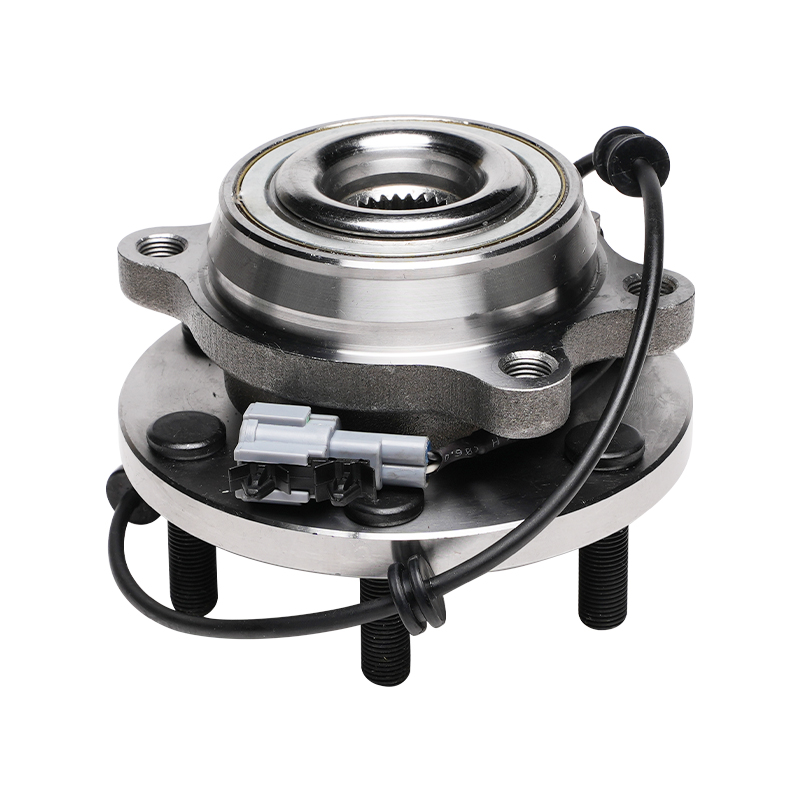
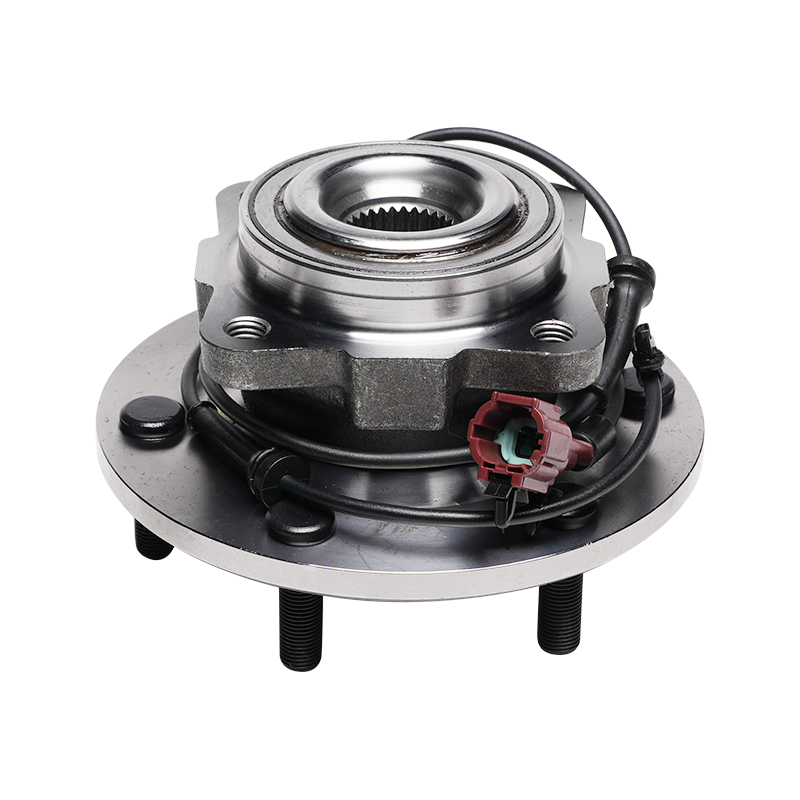
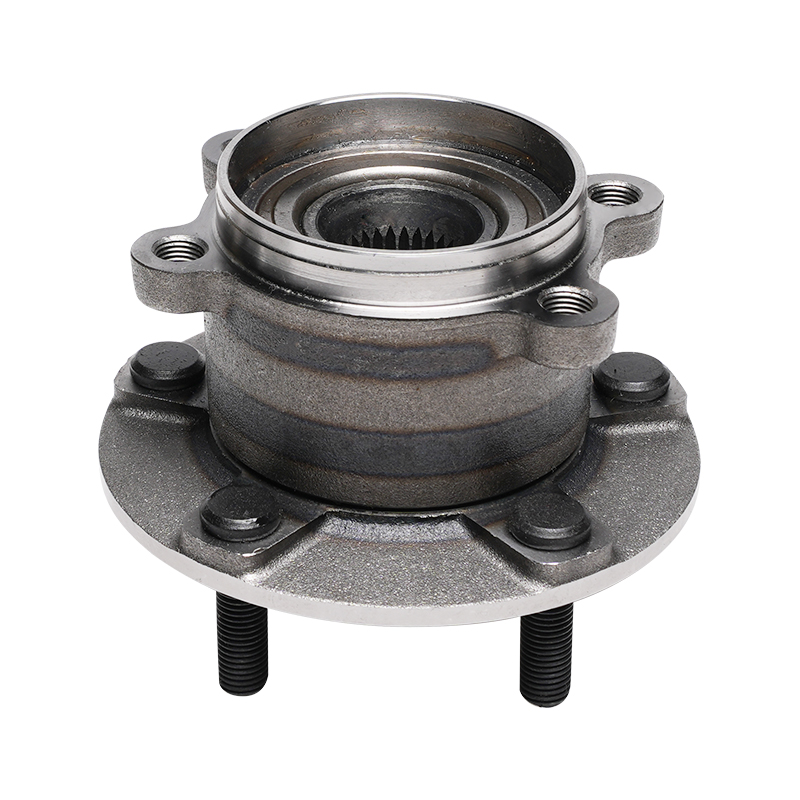
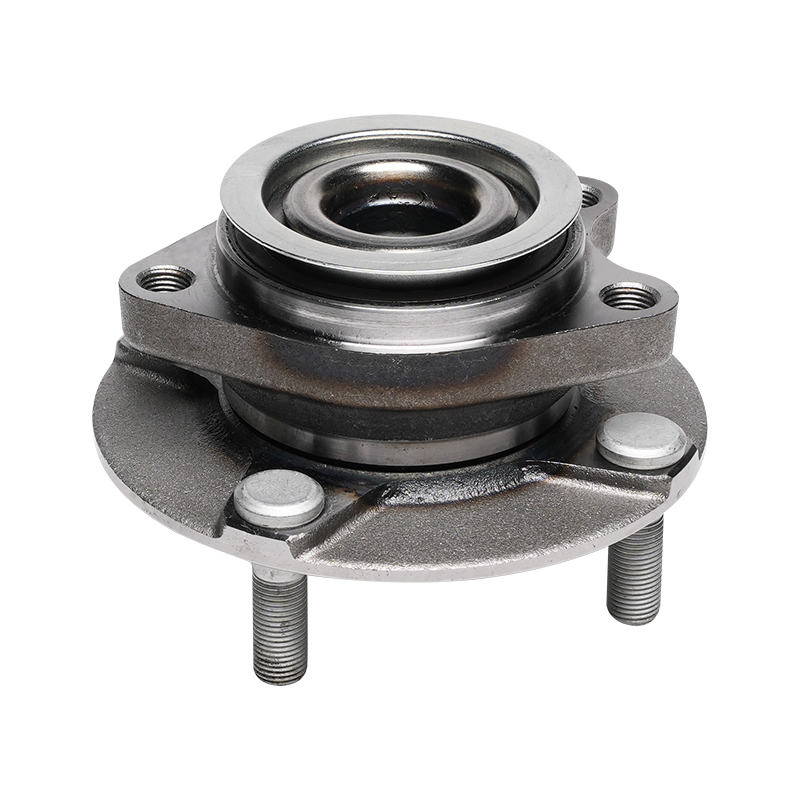
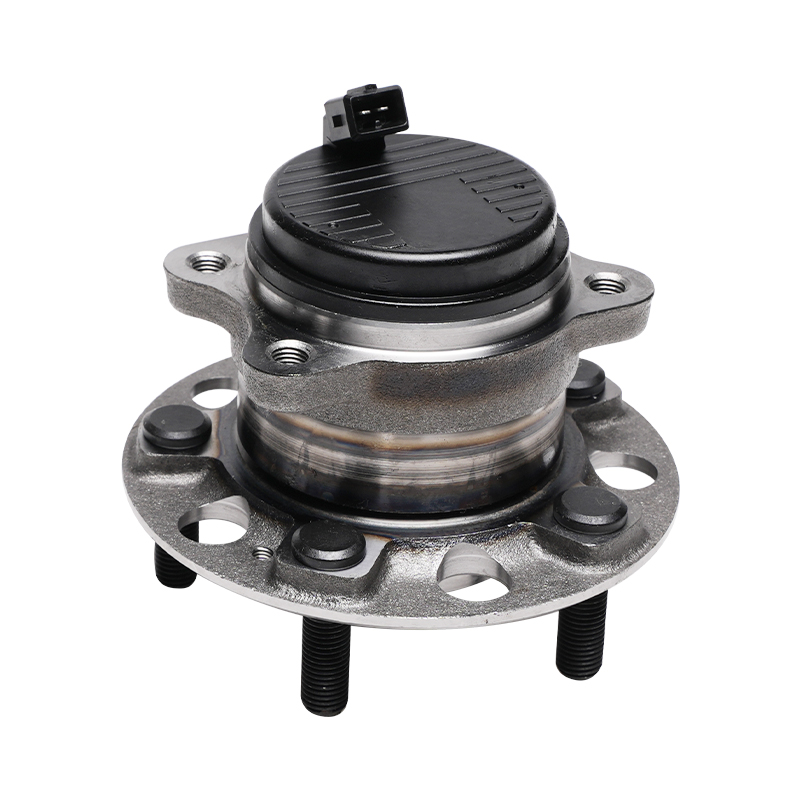
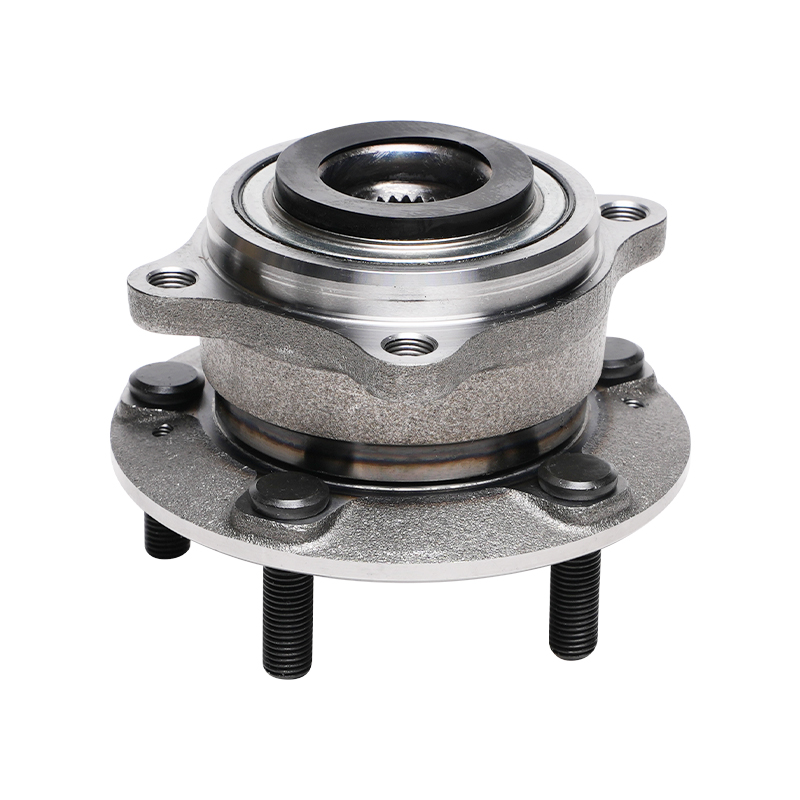
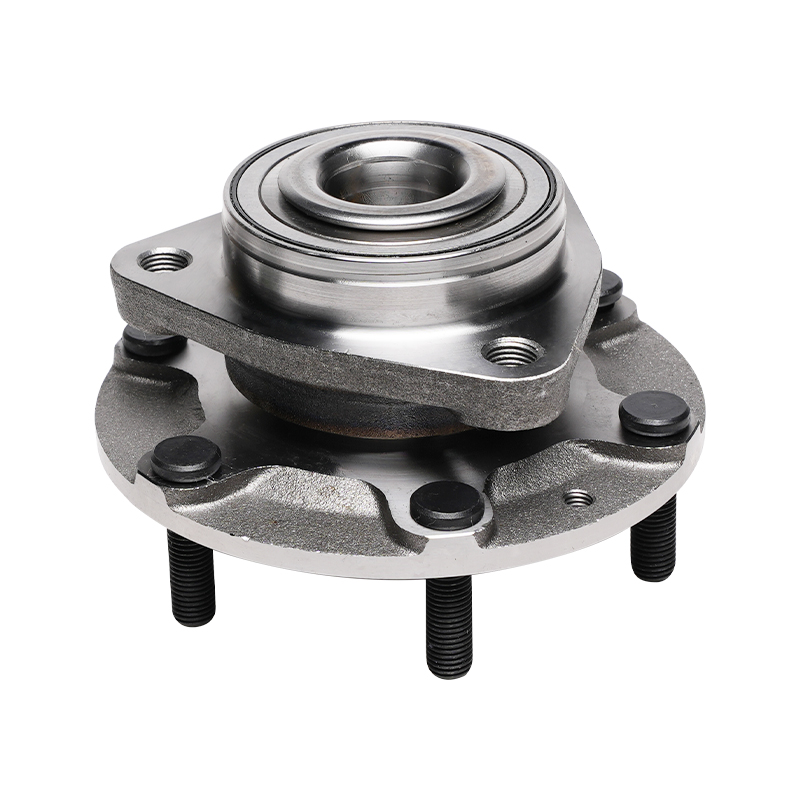
These contemporary units combine the bearing, hub flange, and often the wheel speed sensor (ABS sensor) ring into a single, pre-sealed, and pre-adjusted module. This evolution has drastically reduced maintenance requirements while increasing reliability and precision. The most common configurations include:
Inside these sealed units, the bearing races and rolling elements (either balls or rollers) are manufactured from high-purity steel to withstand immense contact stress. The balls offer lower rolling resistance, which improves fuel efficiency, while rollers provide a larger contact area, making them better suited for heavy load-bearing applications like trucks and performance vehicles. The integration of the ABS tone ring into the hub seal has become standard, making modern hub bearings crucial to the vehicle's electronic stability and braking systems.
Despite their robust construction, wheel hub bearings are highly susceptible to failure due to their exposed position and the harsh operating environment they endure. Understanding these failure modes is critical for prevention and early diagnosis.
The most prevalent enemy of a hub bearing is contamination. Modern hub units are sealed for life, but the protective seals can degrade over time due to heat, age, or physical damage from road debris. Once a seal is compromised, water, mud, and abrasive road dust enter the bearing cavity. This contamination displaces the specialized lubricating grease and acts as a grinding compound, rapidly destroying the polished surface of the bearing races and rolling elements.
Potholes, curbs, and uneven road surfaces transmit severe shock loads through the tire and suspension directly into the hub bearing. A single, violent impact can cause permanent deformation (brinelling) on the bearing races, creating indentations that the rolling elements pass over, resulting in a noticeable growling noise. Furthermore, aggressive driving habits, such as high-speed cornering and harsh braking, subject the bearing to extreme lateral and axial forces far beyond their standard design parameters, accelerating wear and fatigue.
A significant percentage of premature hub bearing failures can be traced back to incorrect installation procedures. Using impact wrenches to tighten the central axle nut is a common fatal error. The axle nut secures the inner race to the CV joint, and overtightening with an impact tool can exceed the bearing's yield strength, causing immediate internal damage and excessive preload. Conversely, under-tightening allows the inner race to spin independently of the axle, leading to fretting and catastrophic wear. Failing to properly clean the steering knuckle mating surface or ignoring the manufacturer's torque specifications will inevitably lead to bearing misalignment and early failure.
Identifying a failing wheel hub bearing early can prevent dangerous driving situations and costly secondary damage to the suspension and braking systems. The symptoms are distinct and usually progressively worsen.
The most prominent symptom is abnormal noise emanating from the wheel area. This typically presents as a deep, rhythmic growling, humming, or rumbling sound that increases in volume proportionally with vehicle speed. A key diagnostic characteristic is that the noise will noticeably change pitch or intensity when the steering wheel is slightly turned left or right while driving at a steady speed. Turning the steering wheel shifts the vehicle's weight onto the opposite side bearing; if the noise lessens when turning right, the left bearing is likely the culprit, as unloading it reduces the stress on the damaged races.
As the bearing internal clearances increase due to wear, the wheel is allowed to move microscopically on its axis. This translates to a vague, loose feeling in the steering wheel, often described as wandering or a lack of responsiveness. The driver may find themselves constantly making minor steering corrections to maintain a straight line. In severe cases, this excessive wheel play can cause uneven and accelerated tire wear.
Advanced bearing failure often produces a pronounced vibration felt through the steering column or the vehicle floorboard. Unlike tire imbalance vibrations, which are typically speed-dependent and consistent, bearing vibrations can fluctuate with load changes. Additionally, a severely worn bearing generates excessive friction, which produces heat. After driving, carefully touching the center hub cap of the suspected wheel (exercising extreme caution to avoid burns) can reveal a bearing that is significantly hotter than the adjacent wheels, indicating imminent failure.
Since modern hub bearings integrate the ABS tone ring, internal bearing wear can cause the air gap between the sensor and the ring to fluctuate. This disrupts the signal sent to the vehicle's computer, potentially triggering the ABS warning light on the dashboard. In some cases, the system may falsely detect wheel slip during normal braking, causing unexpected and unnerving ABS pulsation.
Accurate diagnosis requires a systematic approach to differentiate wheel bearing noise from other drivetrain or tire issues, such as cupped tires or differential wear.
| Characteristic | Wheel Bearing Noise | Tire Noise |
|---|---|---|
| Sound Description | Deep growling, humming, or rumbling | Squealing, thumping, or rhythmic slapping |
| Reaction to Steering Input | Changes pitch or volume when turning | Remains relatively constant regardless of turning |
| Reaction to Road Surface | Consistent noise level on different pavements | Changes significantly when transitioning from rough to smooth asphalt |
| Speed Dependency | Proportional to vehicle speed, steady increase | Varies with speed, but often has a resonant frequency |
The primary road test involves driving at a steady speed where the noise is prominent and executing gentle S-turns to load and unload the bearings. As noted, a change in noise during steering indicates a bearing issue. If the noise remains constant, tire wear or drivetrain components are more likely suspects.
A static physical inspection is the next crucial step. The vehicle must be safely lifted and secured. The technician should grasp the tire at the 12 and 6 o'clock positions and attempt to rock the wheel back and forth. Any detectable play or clunking indicates excessive bearing clearance. Then, spin the wheel by hand; a worn bearing will often produce a rough, grinding sensation or an audible rumble. Finally, removing the wheel and brake caliper allows for direct rotation of the hub flange, where the resistance and noise can be evaluated without the interference of brake drag.
Wheel hub bearings are generally sealed and maintenance-free, meaning they do not require periodic lubrication. However, their lifespan is highly dependent on driving habits and environmental conditions. While there is no strict replacement interval, proactively replacing hub bearings at high mileage or at the very first sign of wear is strongly recommended to maintain optimal safety.
When replacement is necessary, strict adherence to manufacturer procedures is vital. The steering knuckle and hub mating surfaces must be meticulously cleaned and inspected for burrs or corrosion. The new bearing should never be pressed in using force applied to the inner race; pressure must only be applied to the outer race during installation. The axle nut must be tightened using a calibrated torque wrench to the exact specified torque value, never with an impact gun. Finally, the wheel lug nuts must also be torqued by hand in a star pattern, as uneven lug torque can distort the hub flange and instantly destroy the new bearing.
Drivers can significantly extend the life of their wheel hub bearings by adopting defensive driving habits. Avoiding potholes, slowing down for speed bumps, and refraining from driving over curbs or road debris reduces the shock loads that cause bearing brinelling. Additionally, addressing suspension issues—such as worn struts, shocks, or ball joints—promptly prevents these components from transferring excessive, uncontrolled vibrations and loads into the hub bearings, ensuring the entire wheel assembly operates within its intended dynamic parameters.
Request for a call today


Tel: +86 0575-87785959

E-mail: [email protected]

Add:Room 215, Building 3, No. 1887, Asia Pacific Road, Wenyan Street, Xiaoshan District, Hangzhou, Zhejiang, China
