 Search for products...

 English
 中文简体
中文简体
Looking For Business Opportunity?
Request for a call today
NEW
 2026.05.15
 Industry News
Wheel hub assemblies are core rotating bearing components for wheel connection, which directly determine driving stability, running safety and service life of vehicles, and regular inspection and standardized maintenance can effectively extend its overall service cycle by more than thirty percent. As an indispensable assembly part connecting wheels, suspension systems and braking structures, it bears complex load impact in various driving environments. Unqualified assembly quality or neglected daily maintenance will bring hidden dangers such as wheel shaking, abnormal noise and even wheel detachment, while reasonable matching and scientific maintenance can keep the assembly operating in stable condition for a long time.
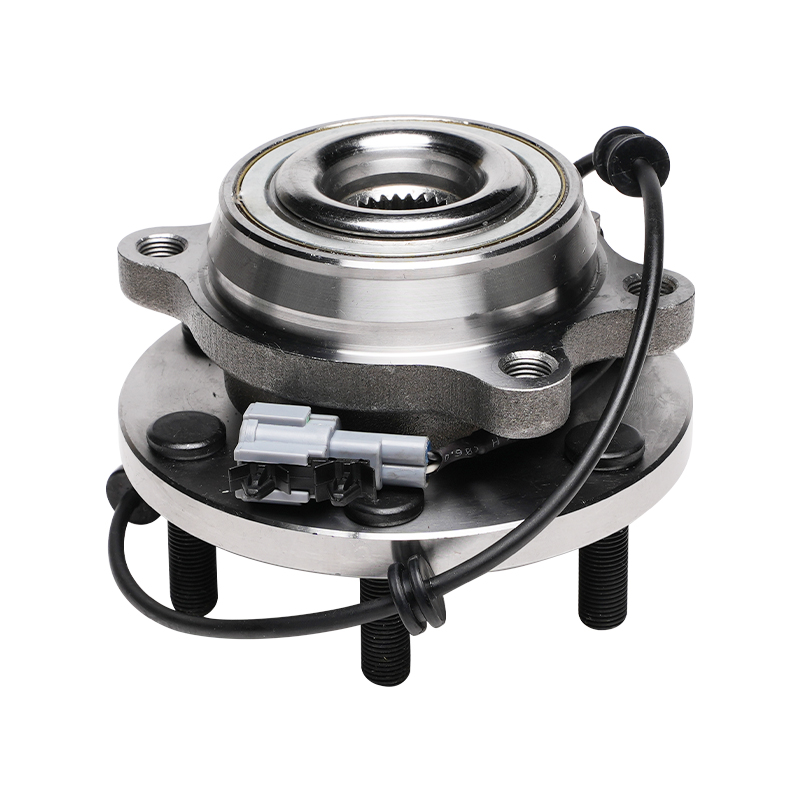
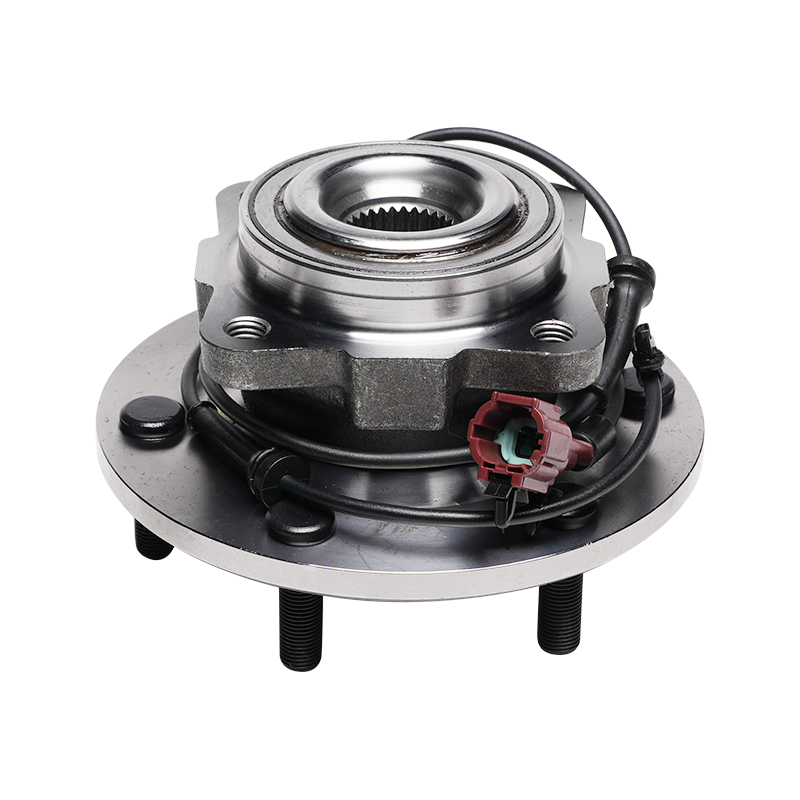
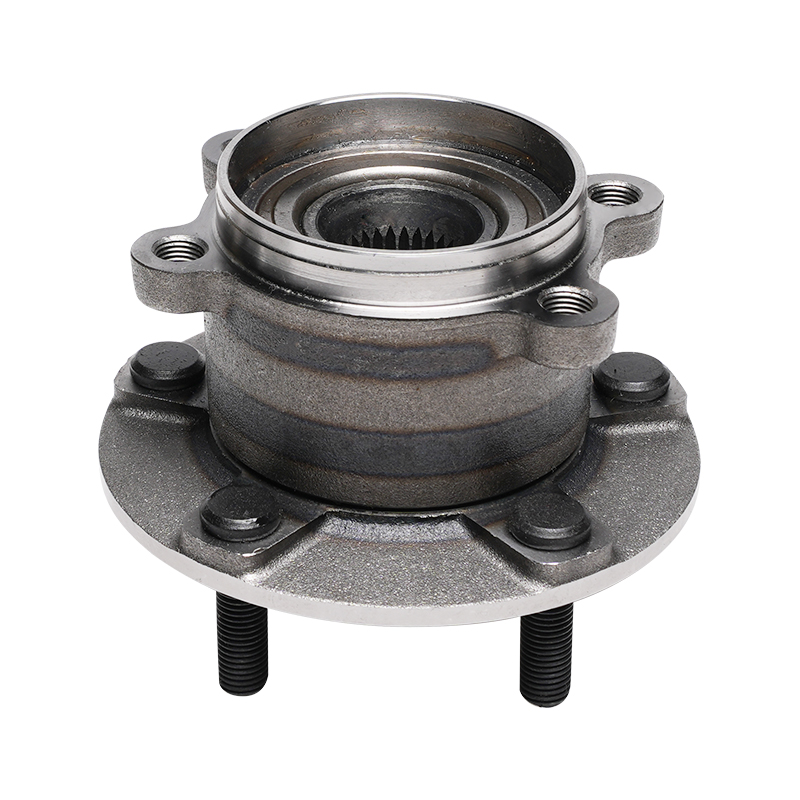
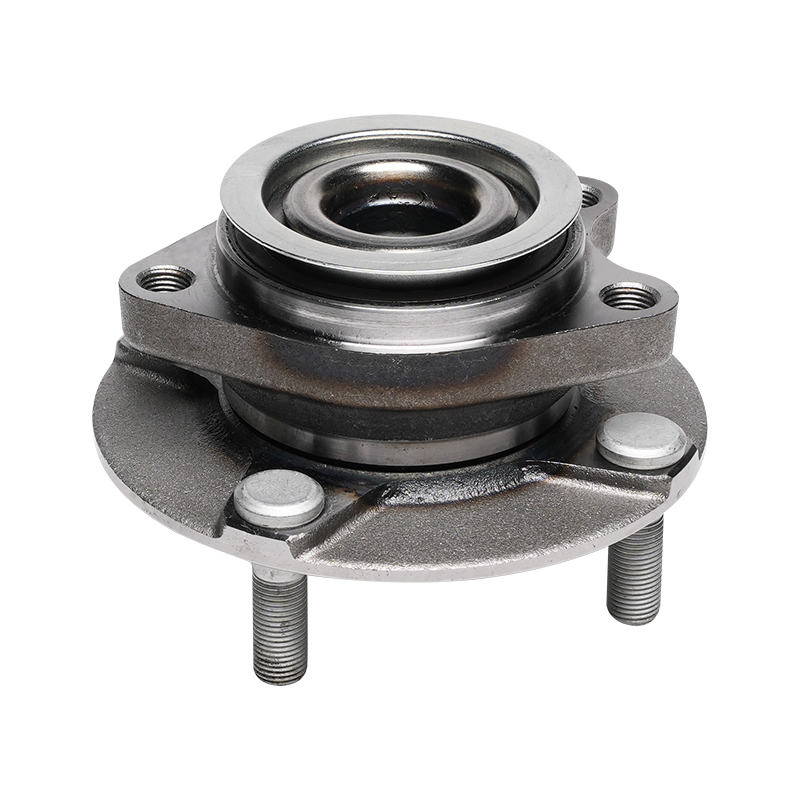
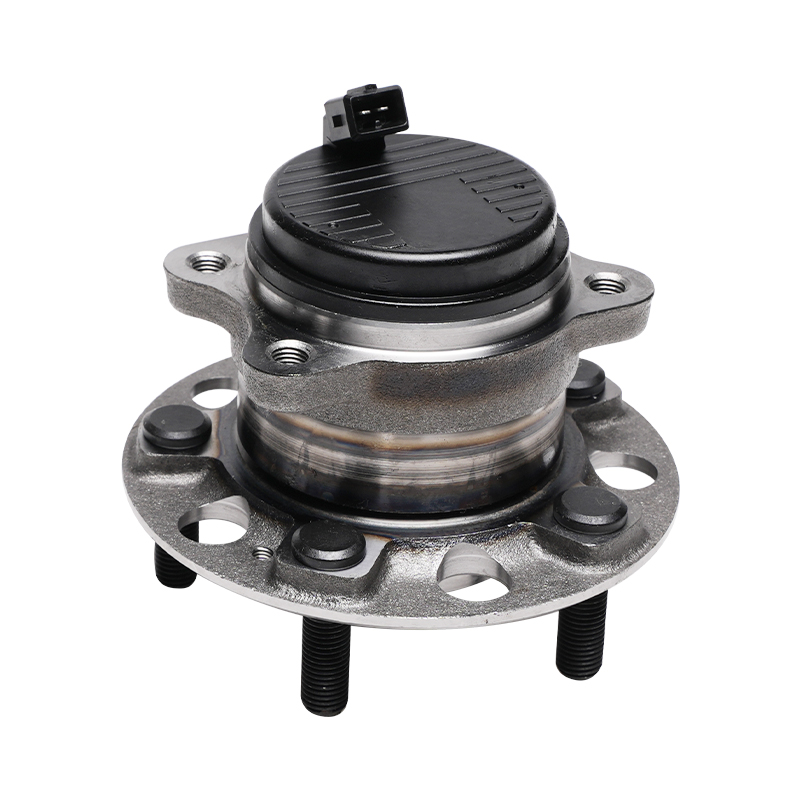
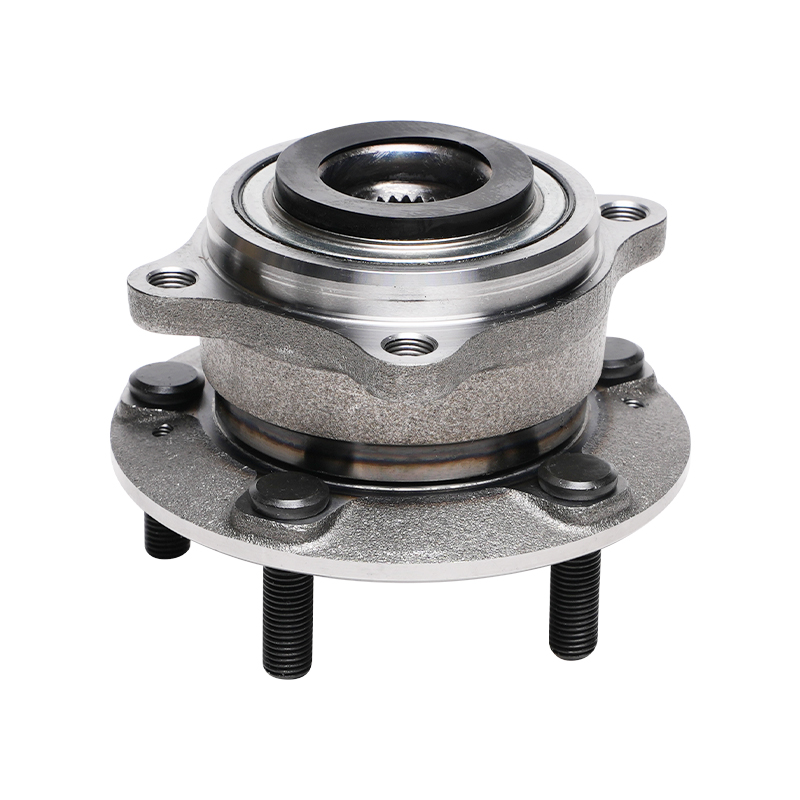
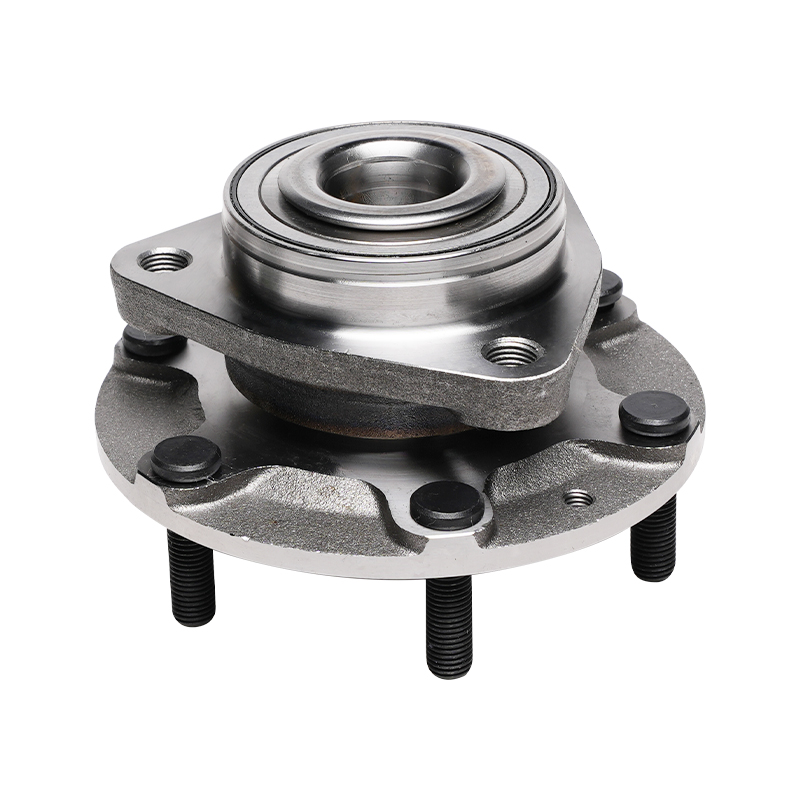
A complete wheel hub assembly integrates multiple precision parts, each part undertakes independent functional responsibilities and cooperates closely to complete rotating work. Different vehicle types adjust part specifications according to load demand, but the basic structural composition remains consistent in the industry.
Wheel hub assemblies can be divided into front wheel type and rear wheel type based on installation position, and their internal stress bearing mode and structural compactness have obvious differences. Front wheel assemblies need to adapt to steering angle change, so the internal bearing design is more flexible; rear wheel assemblies mainly bear driving load, with higher requirements on structural rigidity and compression resistance.
| Assembly Type | Main Bearing Load | Structural Feature | Common Application Scene |
|---|---|---|---|
| Front wheel hub assembly | Steering and impact load | Flexible linkage structure | Daily urban road driving |
| Rear wheel hub assembly | Driving and bearing load | High rigidity solid structure | Long distance load transportation |
The basic working logic of wheel hub assemblies relies on the rolling friction conversion of internal bearings. When vehicles start to move, power transmits to wheel parts through transmission structures, driving the hub shell to rotate synchronously. The built-in bearing set replaces sliding friction with rolling friction, greatly cutting down energy loss generated in rotation process. High-quality bearing matching can reduce friction loss inside the assembly to a low level, effectively improving vehicle power output efficiency and fuel economy performance.
In the process of driving, the assembly always bears multidirectional force. When passing uneven road surfaces, it will bear vertical impact force; during turning and lane changing, it will withstand horizontal lateral force; when braking urgently, instantaneous reverse acting force will act on the whole assembly. Sealing parts keep lubricating grease attached to bearing surfaces all the time, avoiding dry friction abrasion caused by lack of lubrication. Fastening structures ensure all internal parts operate at fixed positions without offset, so as to maintain stable rotating track of wheels.
Wheel hub assemblies do not work independently, and they form a linkage operation system together with braking system, suspension system and tire parts. The rotation state of hubs directly affects braking response speed; the damping performance of suspension buffers excessive impact on assemblies; tires disperse road pressure and reduce instantaneous load borne by single hub assembly. Once one link goes wrong, the operating state of the whole assembly will be affected obviously.
To judge the comprehensive quality of wheel hub assemblies, multiple core performance indicators need to be referred. These indicators cover bearing capacity, wear resistance, sealing performance and rotating smoothness, and each indicator is closely related to driving safety and service life. In actual use, material selection, processing technology and assembly precision will all bring different degrees of influence on final performance.
Raw material quality is the foundation of assembly performance. High-strength alloy materials have stronger compression and impact resistance compared with ordinary materials, and are not easy to deform under long load. Precision processing technology can ensure the tight fit degree between parts, excessive gap will cause abnormal shaking, while too narrow gap will increase rotating friction resistance. Besides, installation operation standardization also cannot be ignored. Unreasonable locking tightness and disordered part placement will destroy original performance balance of qualified assemblies. Statistical data shows that more than forty percent of early damage of hub assemblies is caused by non-standard installation and matching errors.
Wheel hub assemblies will gradually appear various abnormal faults after long-term operation in complex road conditions. Most faults have obvious external manifestations, and corresponding hidden troubles can be judged through driving feeling and sound change. Timely finding fault causes and handling problems can prevent minor faults evolving into serious safety accidents.
Abnormal noise is the most intuitive fault signal. Continuous humming sound appears when vehicles run, and the sound frequency rises along with speed increase, which usually means internal bearing wear or insufficient lubricant. Wheel shaking and body jitter occur during high-speed driving, mostly resulting from loose fastening parts or deformed hub shell. Water and mud seepage inside assemblies will lead to rust corrosion of metal parts, further aggravating rotating obstruction degree.
| Fault Type | Specific Inducement | Subsequent Hazard |
|---|---|---|
| Lubrication failure | Grease aging, leakage and insufficient filling | Bearing rapid wear and rotating blockage |
| Sealing damage | External scratch and aging hardening of sealing ring | Impurity invasion and internal metal rust |
| Force impact damage | Severe bumping and long-time overload driving | Part deformation and assembly position deviation |
Long-term overload driving is also a major cause of assembly damage. Exceeding rated bearing load for a long time will make internal parts bear pressure beyond design range, accelerate material fatigue aging, and greatly shorten normal service life of wheel hub assemblies.
Scientific daily maintenance is the key to keep wheel hub assemblies in good running state. Forming regular inspection habits can eliminate potential faults in advance, and standardized maintenance operation can effectively delay part aging speed. When assemblies reach service limit or suffer irreversible damage, reasonable replacement selection and installation operation shall be carried out.
When continuous abnormal noise cannot be eliminated after maintenance, obvious shaking cannot be adjusted, or internal parts appear crack and serious deformation, the wheel hub assembly needs to be replaced wholly. During replacement, match assembly specifications according to vehicle use demand, guarantee consistency of load standard and structural size. Installation process needs to keep parts clean, avoid mixing sundries into assembly interior, and control fastening strength moderately, neither too loose to cause shaking nor too tight to increase rotating burden. Assemblies installed in standard mode can exert original performance and maintain stable use effect for a long period.
Different use environments and vehicle purposes put forward different requirements for wheel hub assemblies. Reasonable selection matching can balance use cost and driving safety, and adapt to diverse road and load conditions. Users need to combine actual driving demands to pick suitable assembly types, and master correct use skills to reduce unnecessary loss.
Vehicles running on urban flat roads can choose assemblies with balanced comprehensive performance, which meet daily steering and conventional load demands and have moderate use cost. Vehicles often passing mountain roads, gravel roads and other rugged road surfaces should prioritize assemblies with strong impact resistance and sealing performance, to cope with frequent vibration and impurity erosion. Load transport vehicles need to focus on load bearing capacity, select high-rigidity structural assemblies to adapt to long-time heavy load working state.
Following scientific use norms can effectively slow down performance attenuation speed of wheel hub assemblies, reduce fault occurrence probability, lower later maintenance and replacement cost, and ensure stable and safe operation of vehicles in whole service cycle.
Request for a call today


Tel: +86 0575-87785959

E-mail: [email protected]

Add:Room 215, Building 3, No. 1887, Asia Pacific Road, Wenyan Street, Xiaoshan District, Hangzhou, Zhejiang, China
