 Search for products...

 English
 中文简体
中文简体
Looking For Business Opportunity?
Request for a call today
NEW
 2026.04.22
 Industry News
The direct conclusion regarding wheel hub units is that they are absolutely indispensable components that directly dictate a vehicle's safety, handling precision, and ride comfort. They are the exact physical intersection where the drivetrain, steering system, and braking system converge at the wheels. Without a fully functional wheel hub unit, a vehicle cannot safely transfer power to the ground, maintain a straight trajectory, or bring itself to a controlled stop. Far from being a simple passive bearing, the modern wheel hub unit is a highly engineered, pre-assembled system that has largely eliminated the margin of human error associated with older, individually pressed bearings. Understanding their function, recognizing their failure modes, and maintaining them properly is not merely a mechanical exercise—it is a fundamental requirement for responsible vehicle ownership and automotive engineering.
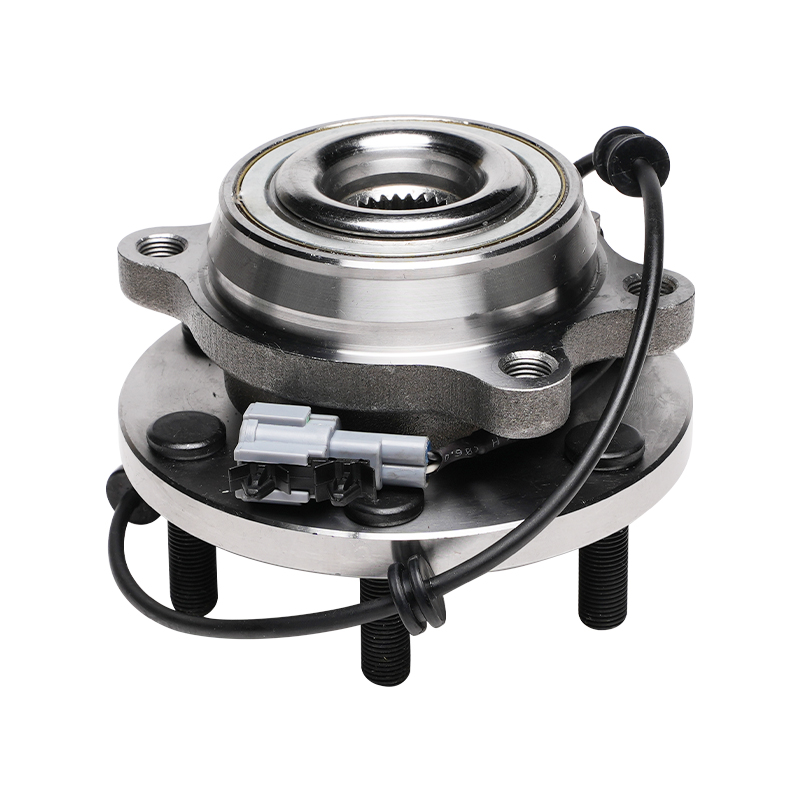
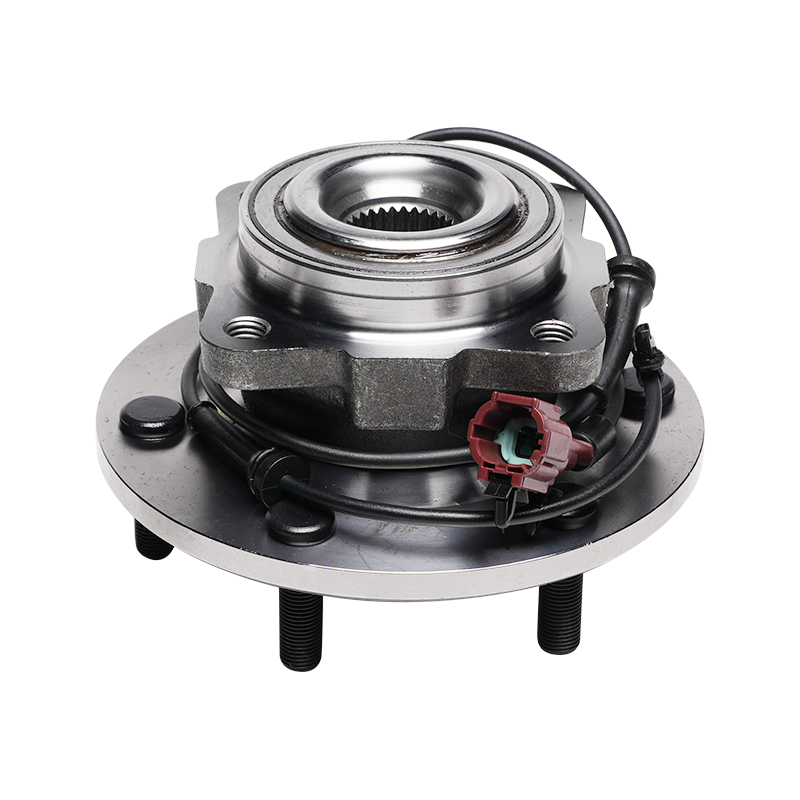
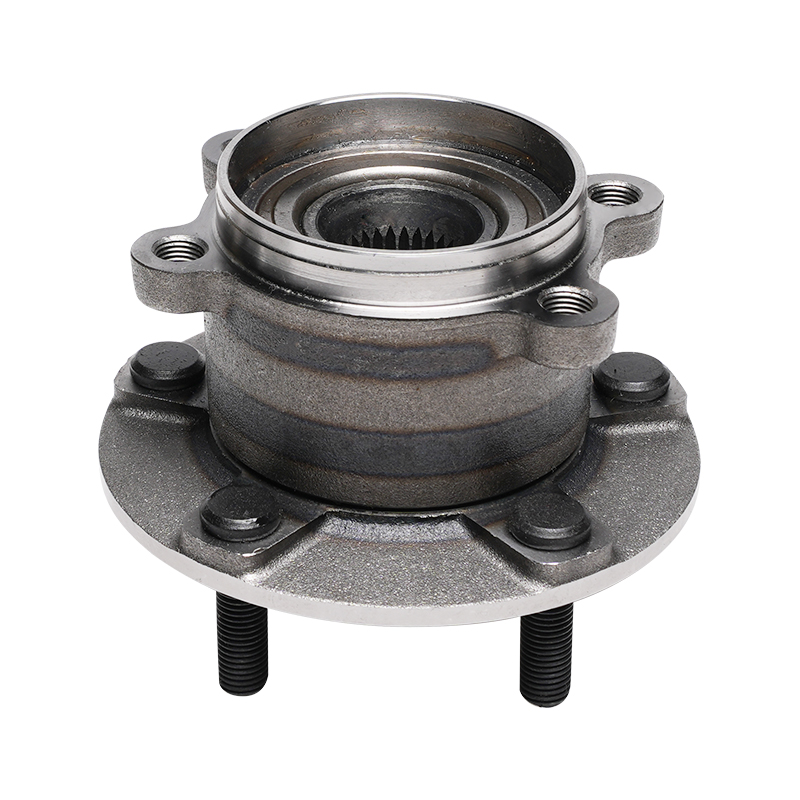
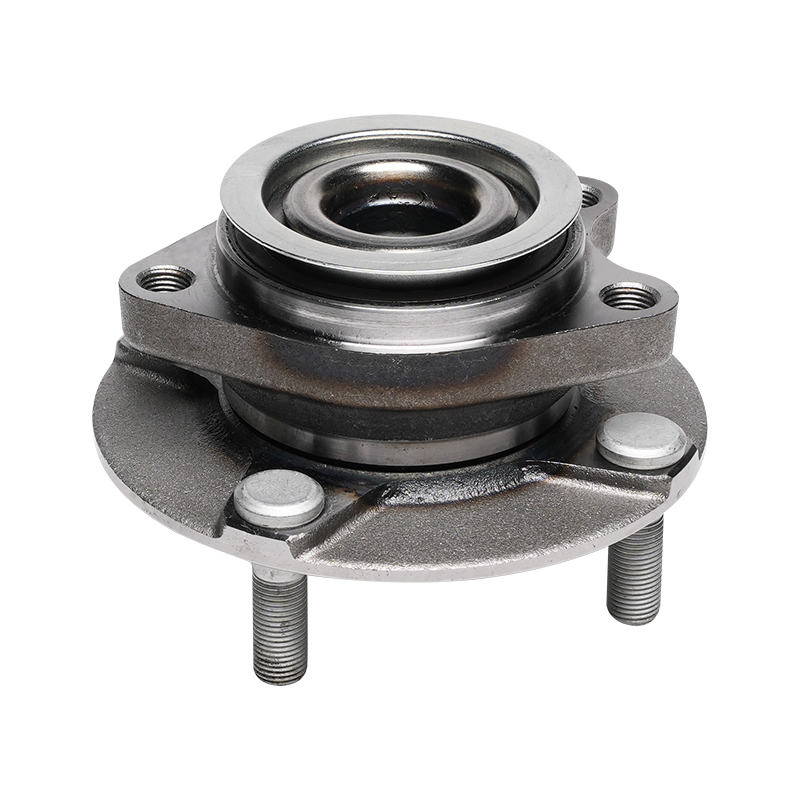
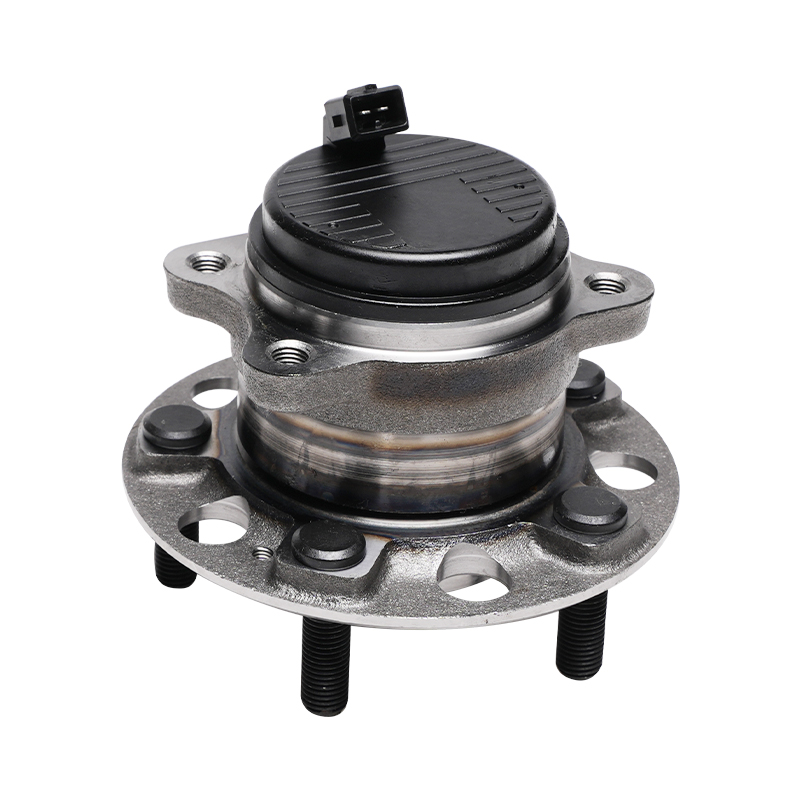
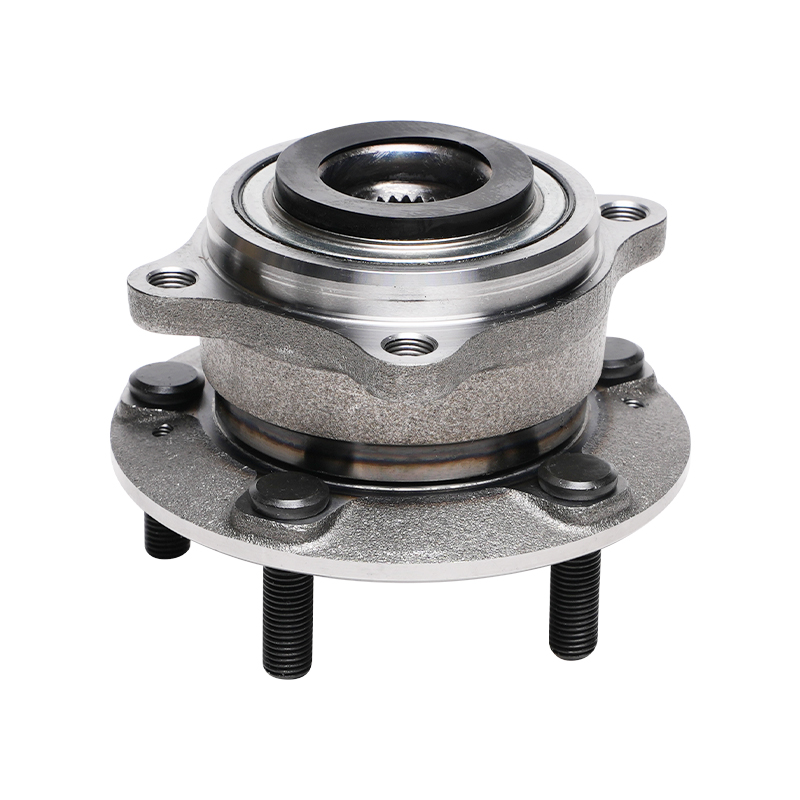
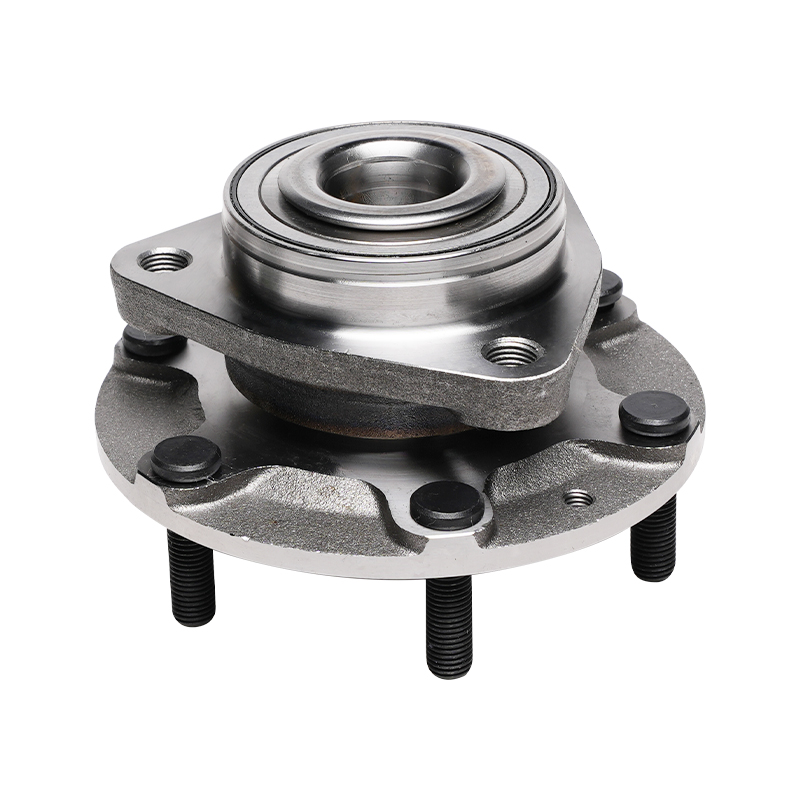
To appreciate the importance of wheel hub units, one must first understand the immense mechanical stresses they are designed to manage. A rotating wheel bearing does not just support the weight of a vehicle; it absorbs dynamic lateral forces during cornering, severe vertical impacts from potholes, and driving torque from the engine. The wheel hub unit integrates the wheel bearing, the hub itself, and often the wheel speed sensor and mounting flange into one sealed, lubricated package.
Inside a typical wheel hub unit, rows of precision steel balls or tapered rollers sit between an inner and outer raceway. The geometry of these rolling elements is calculated to distribute the vehicle's weight over a wide surface area, minimizing localized stress. The primary mechanical goal is to replace sliding friction with rolling friction. By reducing friction to a minimum, wheel hub units ensure that the maximum amount of engine power is transferred to the asphalt rather than being lost as heat. This rolling action is maintained by specialized high-pressure grease that is permanently sealed inside the unit during manufacturing, protecting it from external contamination.
In modern vehicles, the wheel hub unit has evolved from a purely mechanical component into an electromechanical one. The vast majority of contemporary units feature an integrated magnetic encoder ring and a wheel speed sensor. As the hub rotates, the sensor reads the magnetic fluctuations and sends precise wheel speed data to the vehicle's computer. This data is the foundational input for the Anti-lock Braking System (ABS), Traction Control System (TCS), and Electronic Stability Control (ESC). If the wheel hub unit fails, these critical safety systems are instantly blinded and typically disabled entirely.
The transition from traditional, loose wheel bearings to pre-assembled wheel hub units represents one of the most significant leaps in automotive repairability and reliability. In older vehicles, front wheel bearings consisted of separate inner and outer tapered roller bearings, individual races, a spindle nut, and a grease seal. Installing them required a skilled mechanic to pack the bearings by hand with grease, set a precise end-play clearance using a torque wrench and a dial indicator, and install a new cotter pin. This process was highly sensitive to human error.
The modern wheel hub unit eliminated these variables. Because the bearing is pre-adjusted, pre-greased, and permanently sealed at the factory, the technician's job is reduced to simply bolting the unit to the suspension knuckle and torquing the axle nut to specification. This shift drastically reduced the occurrence of premature bearing failures caused by over-tightening, under-tightening, or contaminated grease. Furthermore, it significantly reduced vehicle assembly line times, making it an economically advantageous solution for manufacturers without sacrificing quality.
Not all wheel hub units are created equal. As vehicle weight, power outputs, and safety requirements have increased over the decades, the engineering behind these units has evolved through distinct generations. Understanding these generations helps clarify why certain vehicles require specific replacement parts.
| Generation | Core Characteristics | Typical Application |
|---|---|---|
| First Generation | Bearing only; separate hub bolted inside | Older passenger cars, light trailers |
| Second Generation | The bearing and hub flange are integrated | Standard front-wheel-drive passenger vehicles |
| Third Generation | Hub, bearing, and wheel speed sensor integrated | Modern cars with ABS and stability control |
| Fourth Generation | Fully integrated with the constant velocity joint | Specialized high-performance or EV platforms |
The third generation is currently the most prevalent on modern roads. By incorporating the sensor directly into the unit, manufacturers eliminated the need for separate sensor wiring harnesses routed around the suspension, reducing the risk of wire chafing and sensor damage from road debris.
Wheel hub units do not typically fail without warning. They exhibit distinct symptoms as the internal rolling elements begin to wear or the raceways develop pits. Recognizing these signs early can prevent a dangerous on-road failure. The symptoms generally progress from auditory warnings to physical vibrations, and finally to dynamic handling issues.
The most common early symptom is a rhythmic growling, grinding, or humming noise that increases in pitch and volume proportionally with vehicle speed. A key diagnostic step is observing how the noise changes during cornering. If the noise is significantly louder when turning in one direction and quieter when turning in the opposite direction, it is a strong indicator of a failing wheel hub unit on the side of the vehicle experiencing the load. For example, a loud hum during a left turn indicates the right-side wheel hub unit is likely compromised, as the vehicle's weight shifts to the right during a left turn.
As the internal wear progresses, drivers may feel a noticeable vibration or looseness through the steering wheel or the vehicle floorboard. This happens because the tolerance between the rolling elements and the raceways expands, allowing the wheel to wobble slightly on its axis. In advanced stages of failure, this looseness can cause irregular tire wear, commonly referred to as cupping or scalloping on the tire tread. Furthermore, if the integrated sensor is damaged by the bearing's excessive play, the dashboard will illuminate the ABS, TCS, or check engine warning lights.
While wheel hub units are designed to last for tens of thousands of miles under normal conditions, several external factors can drastically shorten their lifespan. Understanding these causes is essential for preventive maintenance and avoiding repeated repairs.
Accurately diagnosing a failing wheel hub unit requires a systematic approach that rules out other common drivetrain and suspension issues, such as worn tires, faulty brakes, or damaged constant velocity joints. A proper diagnosis relies on a combination of physical manipulation and electronic scanning.
The foundational diagnostic test involves lifting the vehicle so the suspect wheel is completely off the ground. The technician grabs the tire at the twelve o'clock and six o'clock positions and attempts to rock it back and forth. Any noticeable play or clunking feeling usually indicates a worn wheel hub unit, though worn suspension ball joints must also be ruled out. Next, the tire is spun by hand. A perfectly healthy wheel hub unit will spin with a smooth, silent, fluid motion; a failing unit will produce a rough, grinding sensation detectable directly through the palm.
If the physical test is inconclusive but an ABS warning light is present, electronic diagnostics are required. A diagnostic scan tool is used to monitor the live wheel speed data while the vehicle is driven, or jack-stands are used to spin the wheels. If one wheel speed sensor shows an erratic signal, intermittent dropouts, or reads significantly differently from the other three wheels at the same speed, the integrated sensor within the wheel hub unit is likely faulty. In many modern vehicles, the sensor cannot be replaced separately, requiring the replacement of the entire wheel hub unit.
The replacement of a wheel hub unit is a straightforward process, but the margin for error during installation is incredibly small. Failure to follow precise procedures will invariably destroy a brand-new unit. The process must be treated as a precise mechanical operation rather than a brute-force removal and installation.
Once the new wheel hub unit is installed and the vehicle is lowered to the ground, a thorough verification process is necessary before returning the vehicle to service. The technician should perform a final road test, specifically listening for any residual bearing noise and ensuring the vehicle tracks straight without pulling. The steering wheel should be checked for vibrations at various speeds, particularly highway speeds. Finally, the diagnostic scan tool should be connected again to verify that all four wheel speed sensors are reading identically and that no fault codes are present in the ABS or stability control modules. Only after all these checks pass can the repair be considered complete and the vehicle deemed safe for operation.
Request for a call today


Tel: +86 0575-87785959

E-mail: [email protected]

Add:Room 215, Building 3, No. 1887, Asia Pacific Road, Wenyan Street, Xiaoshan District, Hangzhou, Zhejiang, China
