 Search for products...

 English
 中文简体
中文简体
Looking For Business Opportunity?
Request for a call today
NEW
 2026.04.15
 Industry News
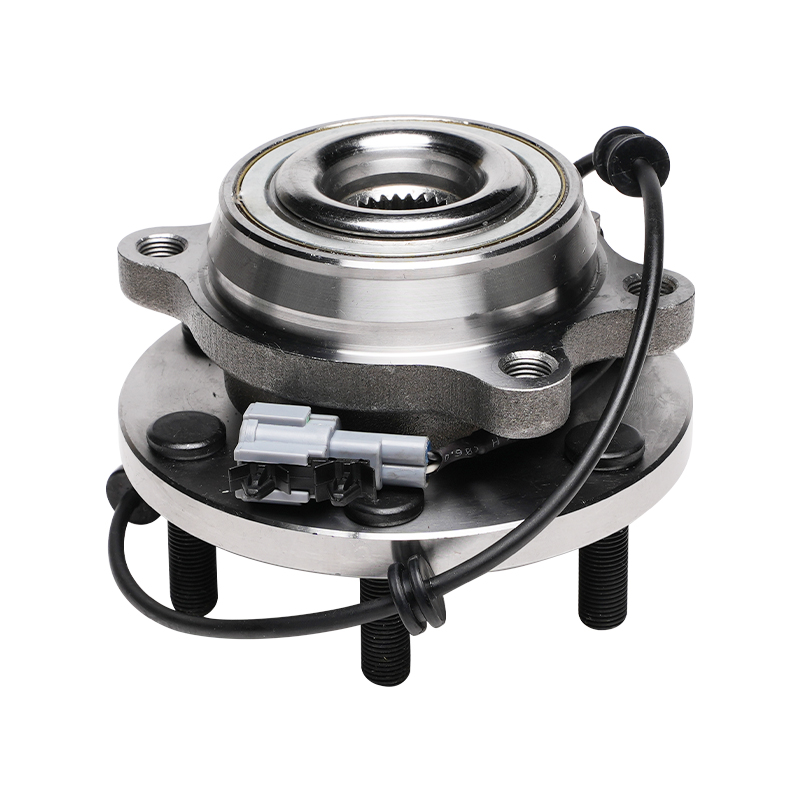
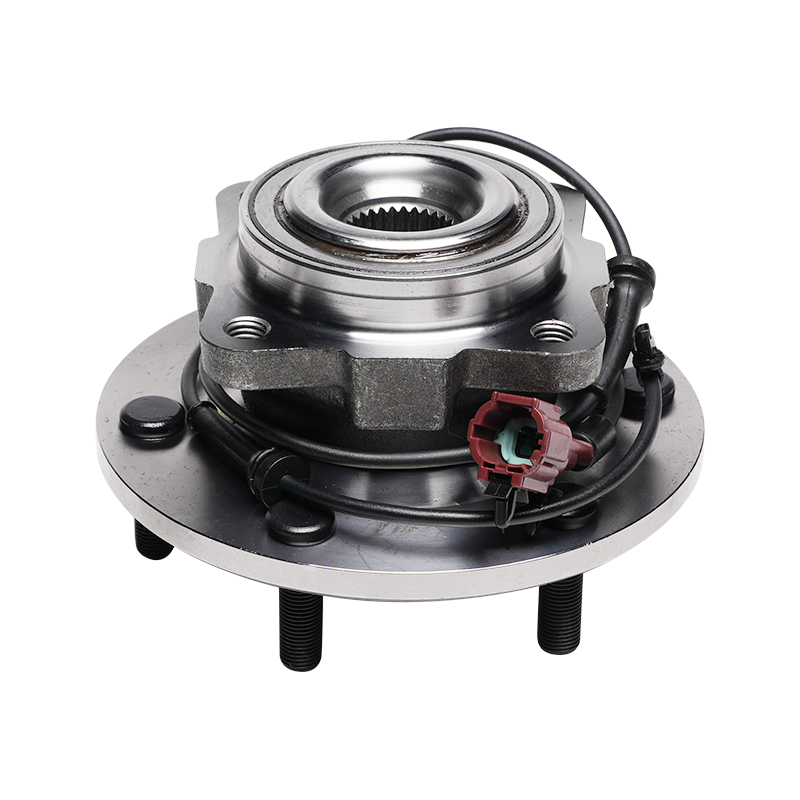
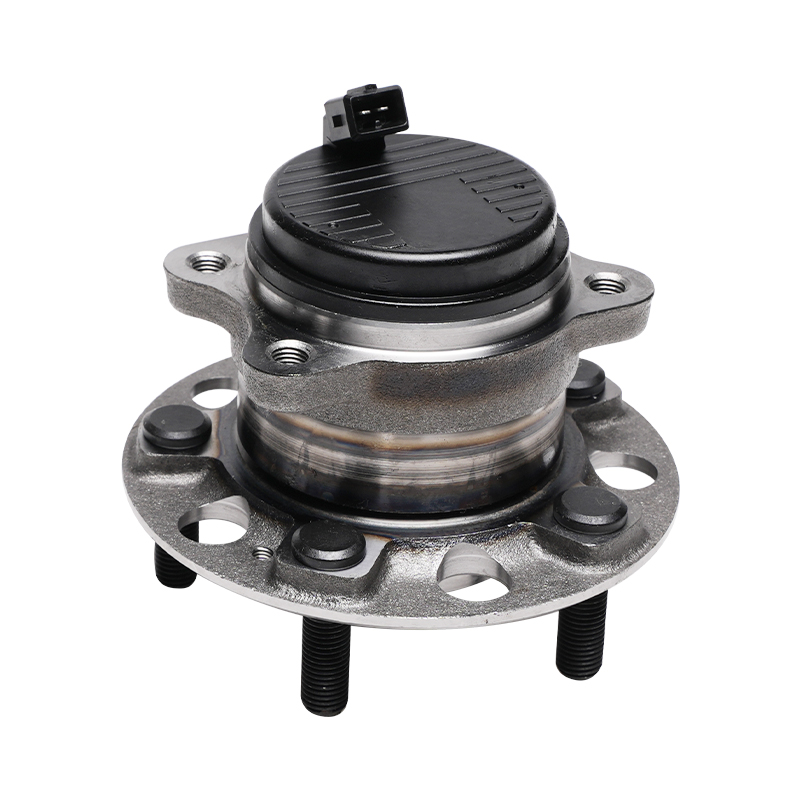
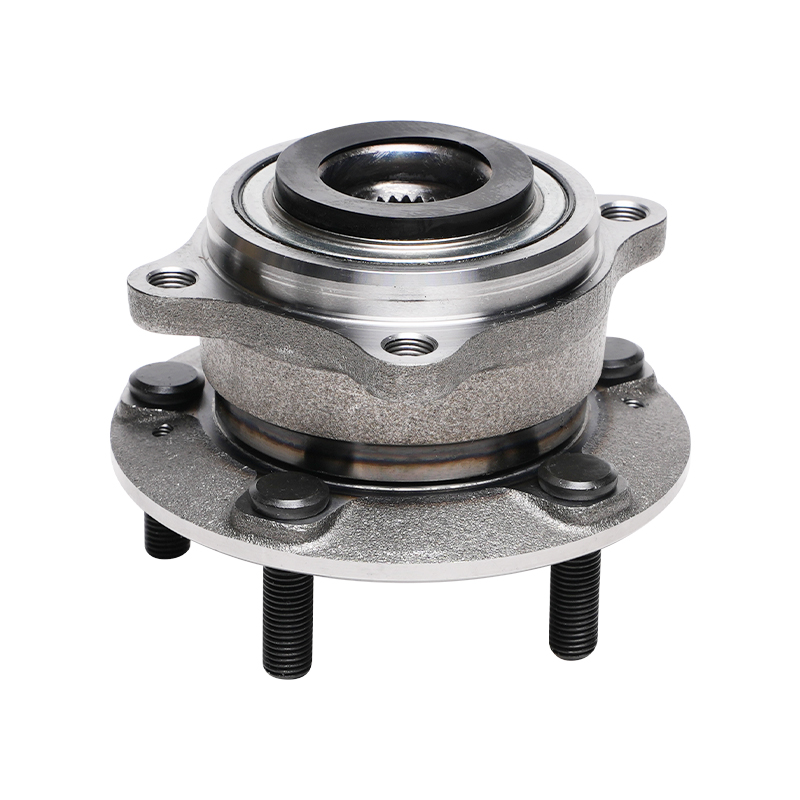
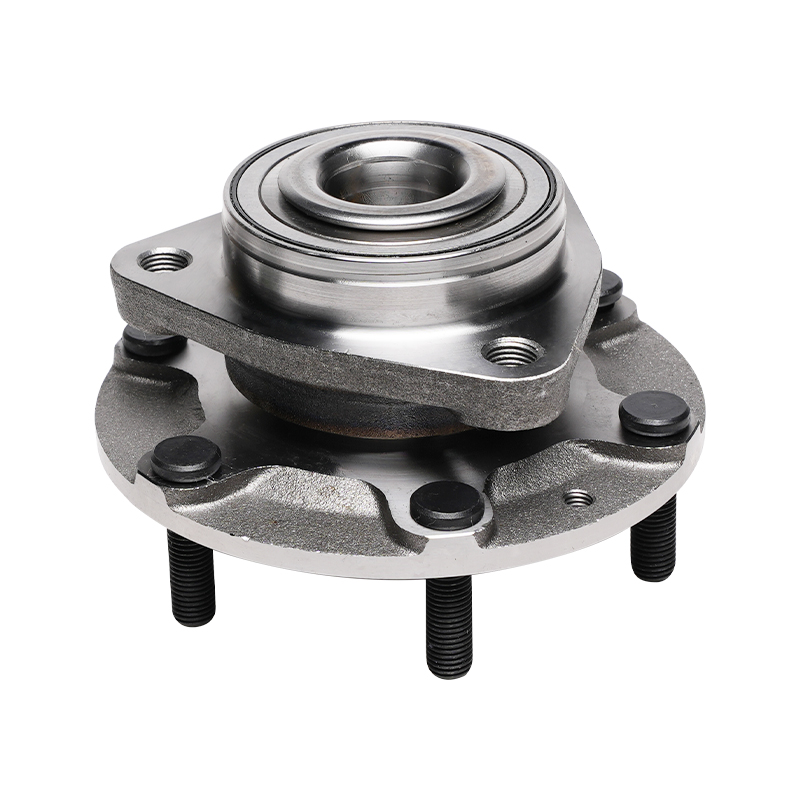
Wheel hub assemblies are critical, integrated components that connect a vehicle’s wheels to its chassis, enabling smooth rotation, supporting vehicle weight, and housing essential parts like wheel bearings and speed sensors. The complete wheel hub assembly directly determines driving safety, handling stability, and ride comfort, and any damage or wear requires immediate inspection and replacement to avoid serious safety hazards such as wheel loss, steering failure, and braking system malfunctions.
For all types of passenger cars, commercial vehicles, and off-road vehicles, the wheel hub assembly is a non-negligible core component. Regular inspection, timely maintenance, and correct replacement can extend the service life of the assembly, reduce vehicle failure rates, and ensure stable and safe driving in all road conditions.
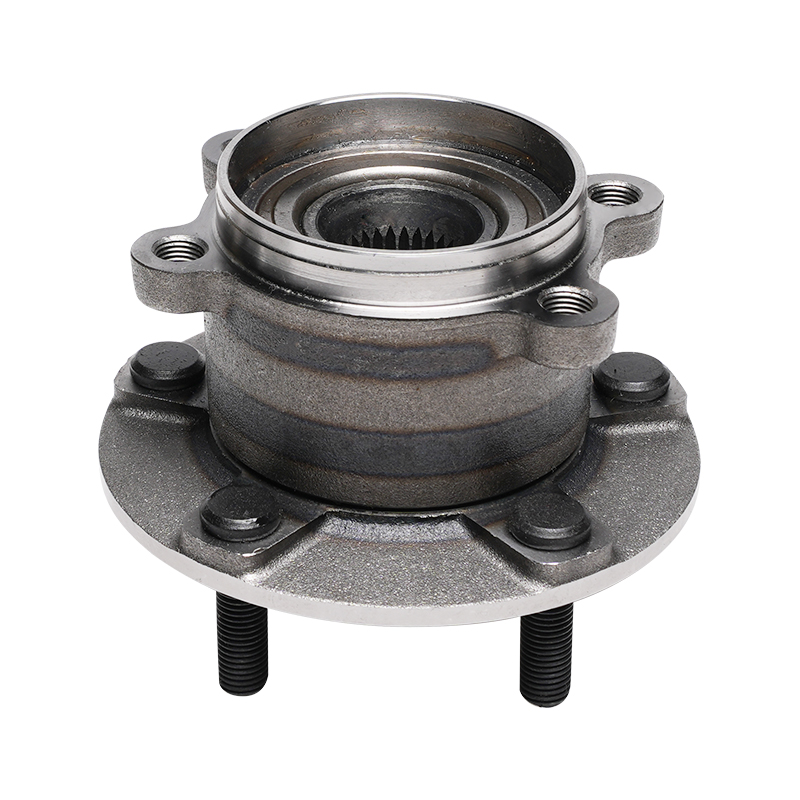
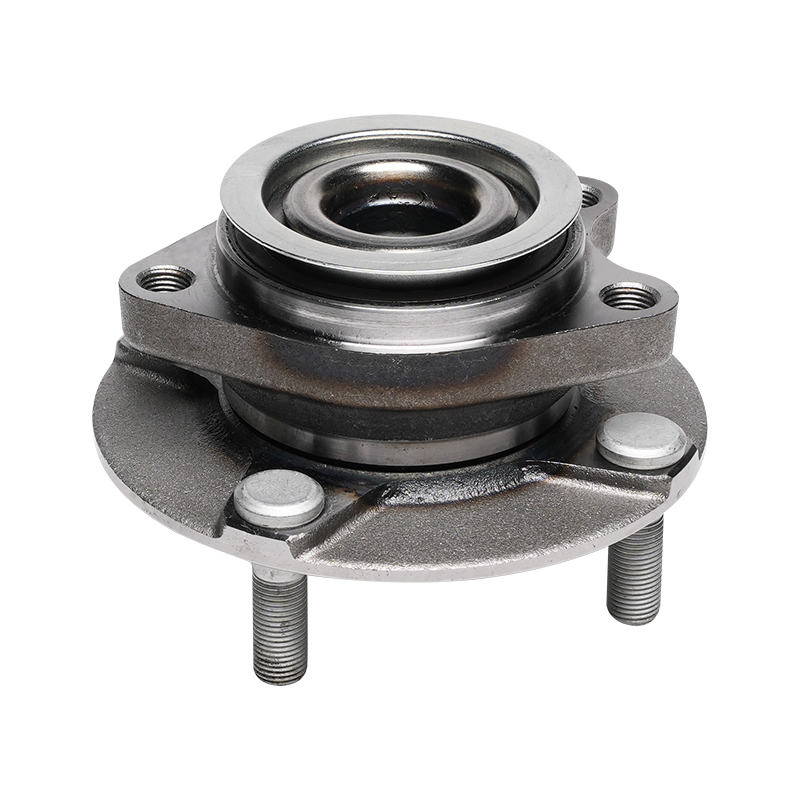
A standard wheel hub assembly is a pre-assembled, sealed unit that integrates multiple precision parts, eliminating the need for on-site adjustment and installation of separate components. This integrated design greatly improves installation efficiency and operational reliability, making it the mainstream configuration in modern vehicles.
When the vehicle is running, the wheel hub assembly undertakes three core tasks simultaneously: supporting the full weight of the vehicle body, allowing the wheel to rotate freely with minimal friction, and transmitting driving torque and braking force. The sealed internal bearing structure reduces friction loss to the greatest extent, ensuring that the wheel can rotate stably at high speeds and in complex road conditions.
For vehicles with ABS and ESC systems, the wheel hub assembly also acts as a sensor carrier, providing real-time wheel speed signals to the vehicle control unit. This signal is critical for the normal operation of the anti-lock braking system and electronic stability control system, directly affecting the active safety performance of the vehicle.
Front wheel hub assemblies bear dual loads of vehicle weight and steering force, and are equipped with steering connection structures in most cases. They are suitable for front-wheel drive, rear-wheel drive, and four-wheel drive vehicles, with higher structural strength and wear resistance requirements. In front-wheel drive vehicles, the front hub assembly also needs to transmit power to the wheels, resulting in greater working pressure and shorter average service life compared to rear assemblies.
Rear wheel hub assemblies mainly undertake load-bearing and rotation functions, and most of them do not have a steering structure. For rear-wheel drive and four-wheel drive vehicles, the rear hub assembly needs to transmit driving torque; for front-wheel drive vehicles, it only bears weight and rotates with the wheels, with relatively low working load. The rear hub assembly of commercial vehicles has a larger size and stronger load-bearing capacity to adapt to heavy-load working conditions.
Hub assemblies for four-wheel drive and off-road vehicles adopt reinforced structures, with higher load-bearing limits, better sealing performance, and stronger impact resistance. They can adapt to harsh road conditions such as mud, gravel, and potholes, and effectively prevent water and sand intrusion. The service environment of this type of hub assembly is more severe, so the maintenance frequency needs to be increased appropriately.
The main reasons for the failure of wheel hub assemblies include long-term high-load operation, poor road conditions, sealing damage leading to lubricant loss and foreign matter intrusion, insufficient lubrication, and impact damage caused by road bumps. Among them, sealing failure is the most common cause, accounting for more than 60% of total failures.
Once any of the above signs appear, the vehicle should be stopped for inspection immediately. Continuing to drive with a damaged wheel hub assembly will increase the risk of wheel separation and steering failure, which may lead to serious traffic accidents.
Modern vehicles mostly use integrated wheel hub assemblies, while older models use split bearings and hubs that require on-site assembly and adjustment. The comparison between the two structures directly reflects the advantages of integrated components in practical use.
| Parameter | Integrated Wheel Hub Assembly | Traditional Split Unit |
|---|---|---|
| Installation Complexity | Low, plug-and-play | High requires adjustment |
| Sealing Performance | Excellent, factory sealed | Poor, easy to leak |
| Service Life | Longer, stable operation | Shorter, easy to wear |
| Maintenance Cost | Lower overall cost | Higher long-term cost |
Integrated wheel hub assemblies have become the industry standard due to their high reliability, simple installation, and low maintenance costs. They are widely used in all modern vehicle models and can fully meet the requirements of daily driving and complex working conditions.
To ensure the normal operation of wheel hub assemblies, a fixed inspection cycle must be established. For ordinary passenger vehicles, it is recommended to conduct a comprehensive inspection every 20,000 to 30,000 kilometers; for vehicles driving on harsh roads for a long time, the inspection cycle should be shortened to 15,000 kilometers. Commercial vehicles and off-road vehicles need more frequent inspections due to heavy loads.
Avoid high-strength impact on the wheels during driving, such as rapid passage through deep potholes and high-speed collision with road obstacles. After driving in water, mud, or sand, clean the wheel surface in time to prevent foreign matter from corroding the sealing structure. Do not use high-pressure water guns to directly wash the hub area for a long time, so as not to damage the internal sealing and lubrication system.
Before replacing the wheel hub assembly, confirm the vehicle model, position (front/rear), and drive form to select the matching assembly. Prepare standard tools, including lifting equipment, torque wrenches, and socket sleeves, and ensure that the working environment is clean and free of dust and debris to prevent contamination of the new assembly during installation.
First, lift the vehicle safely and remove the wheels, brake calipers, and brake discs. Then, remove the fixing bolts of the old hub assembly and take it down gently without damaging the surrounding chassis parts. Clean the mounting surface of the steering knuckle or suspension to ensure flatness and no debris. Install the new integrated hub assembly, tighten the fixing bolts according to the specified torque, and then reinstall the brake components and wheels.
The torque of the hub fixing bolts must meet the standard specifications, which are usually between 150 and 250 N·m for passenger vehicles. Incorrect torque will lead to loose assembly or deformation of the mounting surface, resulting in early failure.
After installation, rotate the wheel manually to check for smooth rotation, no jamming, or abnormal noise. Conduct a road test at low speed to check for abnormal noise, steering deviation, and ABS operation. After the road test, check the temperature of the hub assembly again to ensure no overheating, confirming that the replacement is successful.
The service life of wheel hub assemblies is affected by driving habits, road conditions, load conditions, and maintenance quality. Under normal driving and maintenance conditions, the average service life of integrated wheel hub assemblies for passenger vehicles is 80,000 to 120,000 kilometers.
Vehicles driving on urban roads for a long time have a longer hub assembly life, while those on potholed, muddy, or sandy roads have a significantly shorter life. Commercial vehicles with long-term heavy loads have a replacement cycle of only 50,000 to 80,000 kilometers. It is recommended to replace the left and right hub assemblies on the same axle at the same time to ensure balanced performance and consistent service life on both sides.
Even if no obvious failure signs are found, it is recommended to carry out a comprehensive performance evaluation when the vehicle reaches the mileage limit. If wear or performance attenuation is found, replacement should be carried out in advance to avoid potential safety risks.
Wheel hub assemblies are directly related to the most basic driving safety. Damaged bearings may cause sudden wheel lock or separation, leading to irreversible traffic accidents. Abnormal hub assemblies will also reduce the braking efficiency and steering accuracy of the vehicle, extending the braking distance and reducing the handling stability in emergencies.
For vehicles with electronic safety systems, damaged hub assemblies will cause ABS and ESC failure, losing the protection of active safety systems. Statistics show that more than 15% of vehicle chassis failures are related to abnormal wheel hub assemblies, which is one of the key hidden dangers that cannot be ignored.
Normal wheel hub assemblies ensure smooth wheel rotation, reduce vibration and noise, and improve ride comfort. Worn assemblies will cause continuous vibration, loud road noise, and steering wheel shaking, reducing driving comfort. At the same time, unbalanced hub performance will lead to uneven tire wear, increasing vehicle energy consumption, and reducing handling stability.
Well-maintained wheel hub assemblies reduce rolling resistance and fuel consumption. Damaged assemblies increase friction resistance, leading to a fuel consumption increase of up to 5%-10%. Timely replacement can restore vehicle economy, reduce tire replacement frequency, and lower long-term use costs.
When selecting wheel hub assemblies, priority should be given to products that meet vehicle OEM standards, with complete specifications, perfect sealing structures, built-in high-performance bearings, and reliable ABS sensor compatibility. High-quality assemblies adopt precision manufacturing processes, with stable internal clearance, excellent sealing performance, and long-term stable operation.
Key selection indicators include: load-bearing capacity matching the vehicle, sealed and maintenance-free design, precise fit with the wheel and brake system, and stable signal transmission of the ABS sensor. Never choose low-quality assemblies that do not meet standards, as they will greatly reduce driving safety and have a short service life, leading to higher long-term costs.
In addition, the selected wheel hub assembly must match the vehicle’s drive type, axle position, and chassis structure. Incorrect matching will cause installation failure, abnormal noise, and even safety failures such as wheel separation during driving.
Wheel hub assemblies are core safety components of vehicles, and their performance directly determines driving safety, stability, and comfort. All vehicle users and maintenance personnel should attach great importance to the inspection, maintenance, and replacement of hub assemblies.
Establish a regular inspection system, identify failure signs in a timely manner, use high-quality matching assemblies, and follow standard installation processes. These measures can maximize the service life of wheel hub assemblies, reduce failure rates, and ensure safe and stable driving in all road conditions.
With the development of automotive technology, integrated wheel hub assemblies will continue to upgrade in terms of sealing, load-bearing, and intelligence, providing safer and more reliable support for future vehicle driving.
Request for a call today


Tel: +86 0575-87785959

E-mail: [email protected]

Add:Room 215, Building 3, No. 1887, Asia Pacific Road, Wenyan Street, Xiaoshan District, Hangzhou, Zhejiang, China
