 Search for products...

 English
 中文简体
中文简体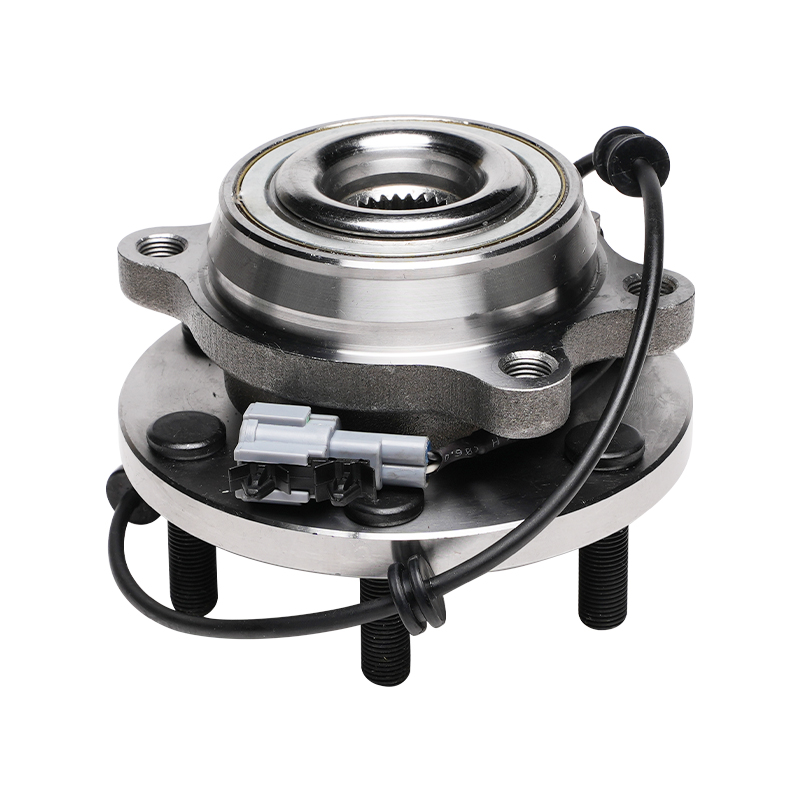
Looking For Business Opportunity?
Request for a call today
NEW
 Home / News / Industry News / Wheel Hub Bearings: A Key Component Driving Automotive Technological Innovation
 2025.09.22
 Industry News
With the continuous development of the automotive industry, wheel hub bearings, as a key component, have gradually become an indispensable part of vehicle systems. They not only carry the rotational load of the wheels but also play a vital role in ensuring smooth driving, improving safety, and reducing noise. As a crucial component of modern automotive technology, the technological advancement and innovation of wheel hub bearings directly impact the overall performance and reliability of the vehicle.
The Function and Role of Wheel Hub Bearings
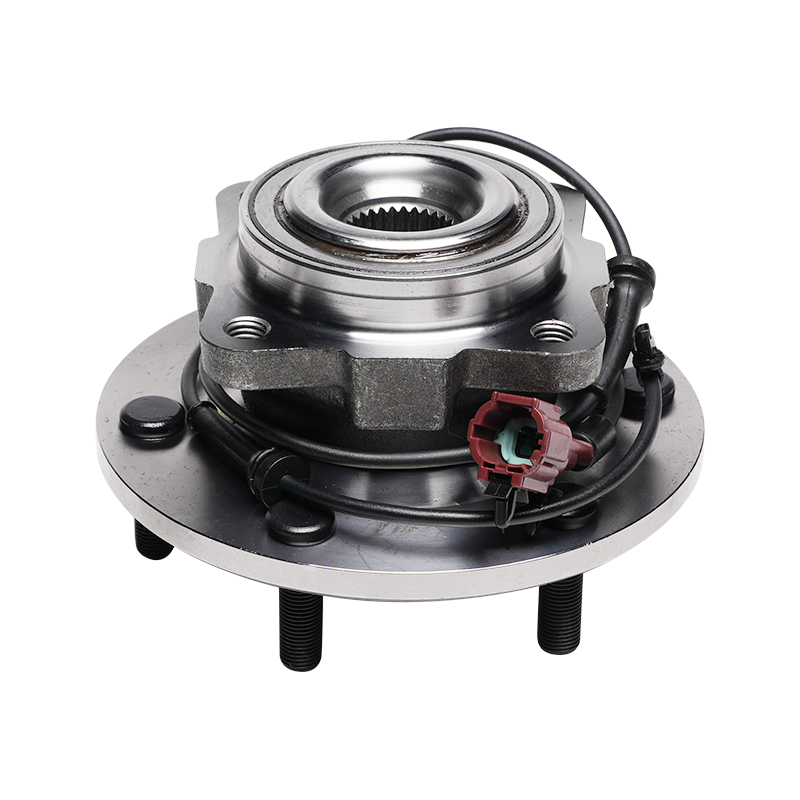
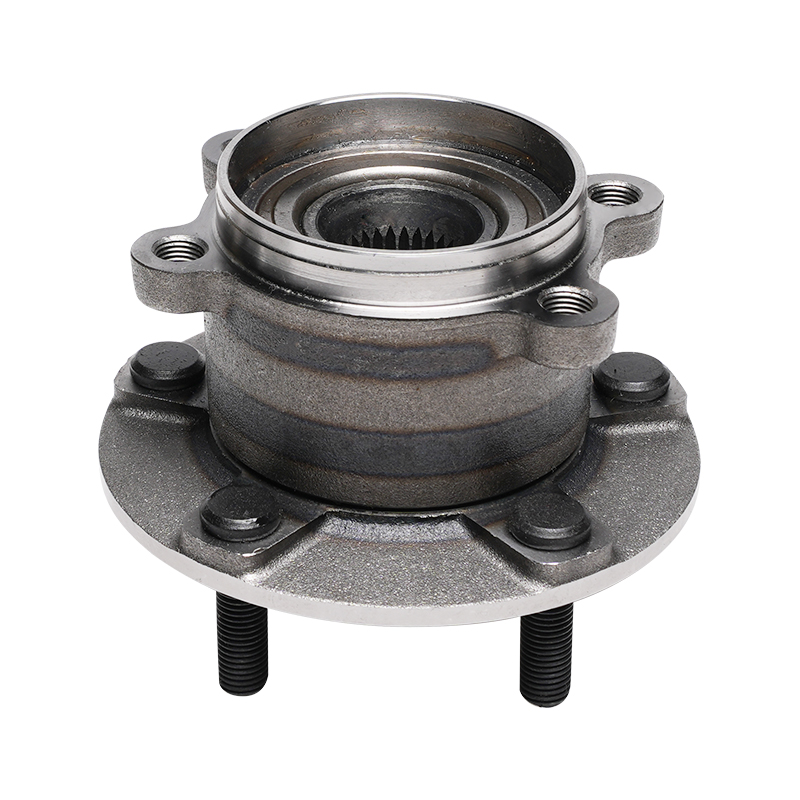
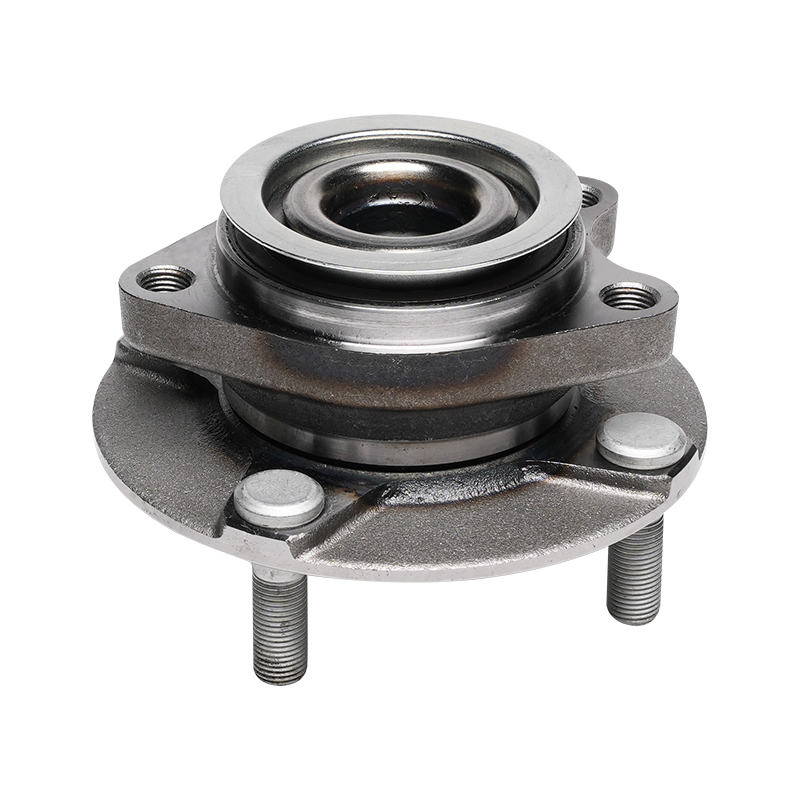
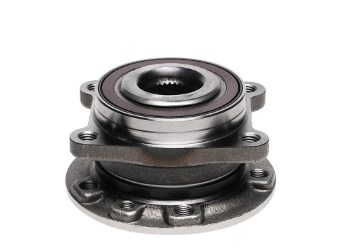
A wheel hub bearing is typically installed in the wheel hub of a vehicle to support the rotation of the wheel. Its primary function is to withstand various loads during wheel rotation, including vertical, lateral, and driving loads. The design of the wheel hub bearing directly impacts the vehicle's driving stability, comfort, and safety. A high-quality wheel hub bearing effectively reduces friction and heat generation, thereby extending its service life and improving overall performance.
As vehicle speeds and weights increase, the demands placed on wheel hub bearings are also increasing. In addition to their traditional load-bearing and rotational functions, modern wheel hub bearings are also required to exhibit enhanced pressure resistance, high-temperature resistance, and low noise levels. These features make wheel hub bearings a crucial factor influencing the vehicle's driving experience and safety.
Wheel Hub Bearing Structure and Materials
A wheel hub bearing typically consists of four main components: an outer ring, an inner ring, rolling elements, and a cage. The outer and inner rings are connected by rolling elements, which are typically spherical or cylindrical. The cage ensures that the rolling elements are evenly distributed within the bearing, preventing contact between them and reducing friction and wear.
In terms of material selection, wheel hub bearings are typically made primarily of high-strength steel, which not only offers excellent load-bearing capacity but also effectively resists corrosion and oxidation. Furthermore, to enhance wheel hub bearing performance, some high-end wheel hub bearings utilize ceramic or alloy materials, which offer enhanced wear and heat resistance, enabling them to operate in more demanding environments.
Wheel Hub Bearing Applications
Wheel hub bearings are widely used in various types of vehicles, including passenger cars, commercial vehicles, and off-road vehicles. The operating environments and loads of wheel hub bearings vary across different vehicle types, placing varying demands on their performance. For high-performance vehicles, wheel hub bearings not only have to withstand conventional loads but also require high-temperature and corrosion resistance to cope with the challenges of high-speed driving and complex road conditions.
With the rise of new energy vehicles, the application of wheel hub bearings is also changing. The electric drive systems of new energy vehicles place higher demands on bearings, especially under prolonged, high-load operation, where the reliability and durability of wheel hub bearings are particularly important. Therefore, new energy vehicle manufacturers are increasing their R&D investment in wheel hub bearings to meet the low-noise and high-efficiency demands of electric vehicles.
Technological Innovation and Future Development of Wheel Hub Bearings
With technological advancements, the design and manufacturing of wheel hub bearings are also constantly innovating. Modern wheel hub bearings not only optimize materials but also feature numerous innovations in structural design, sealing technology, and lubrication systems. In particular, the use of high-performance sealing materials effectively prevents impurities such as dust and moisture from entering the bearing interior, ensuring long-term, efficient operation.
In the future, with the rapid development of autonomous driving technology, the function of wheel hub bearings will not only be limited to supporting wheel rotation but may also take on more tasks. For example, wheel hub bearings may become part of the wheel drive system, collaborating with onboard sensors and intelligent systems to achieve more efficient and intelligent operation. With the trend toward lightweight vehicles, the weight of wheel hub bearings will gradually decrease, while their load-bearing capacity and durability will need to be further improved.
As a key automotive component, wheel hub bearings not only play a vital role in traditional fuel-powered vehicles but will also play an even greater role in new energy vehicles and future autonomous driving technologies. As the automotive industry continues to evolve, technological innovations in wheel hub bearings will continue to drive the industry towards greater efficiency, environmental friendliness, and intelligence.
Request for a call today


Tel: +86 0575-87785959

E-mail: [email protected]

Add:Room 215, Building 3, No. 1887, Asia Pacific Road, Wenyan Street, Xiaoshan District, Hangzhou, Zhejiang, China
