 Search for products...

 English
 中文简体
中文简体
Looking For Business Opportunity?
Request for a call today
NEW
 2025.12.01
 Industry News
In the modern automotive industry, the wheel hub bearing is a crucial component of the chassis system. It not only bears the weight of the vehicle but also ensures smooth wheel operation and driving safety. With the continuous development of automotive technology, the design, materials, and manufacturing processes of wheel hub bearings are constantly being upgraded, profoundly impacting overall vehicle performance, fuel economy, and driving comfort.
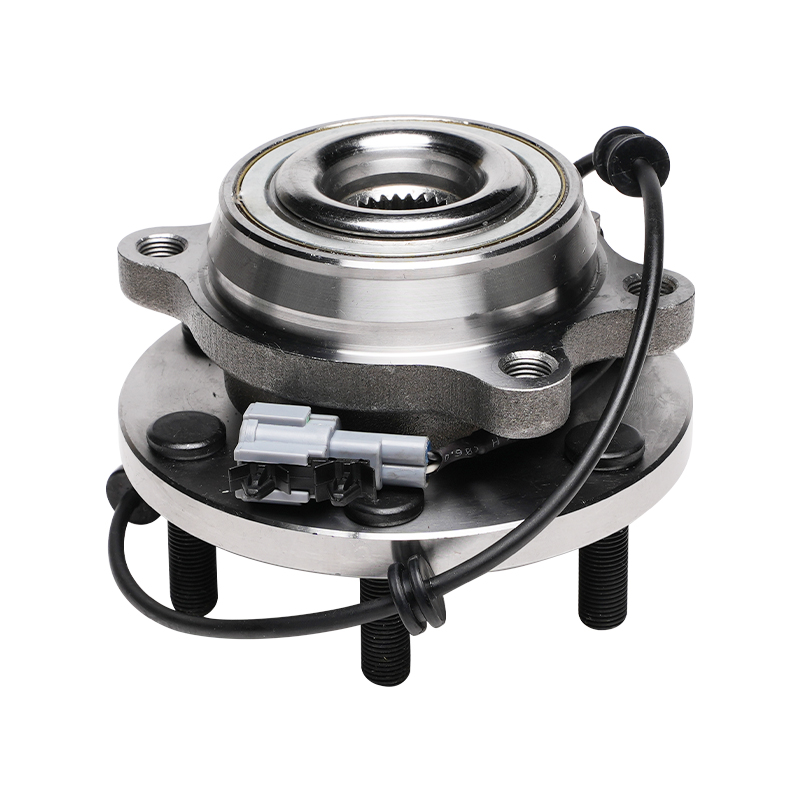
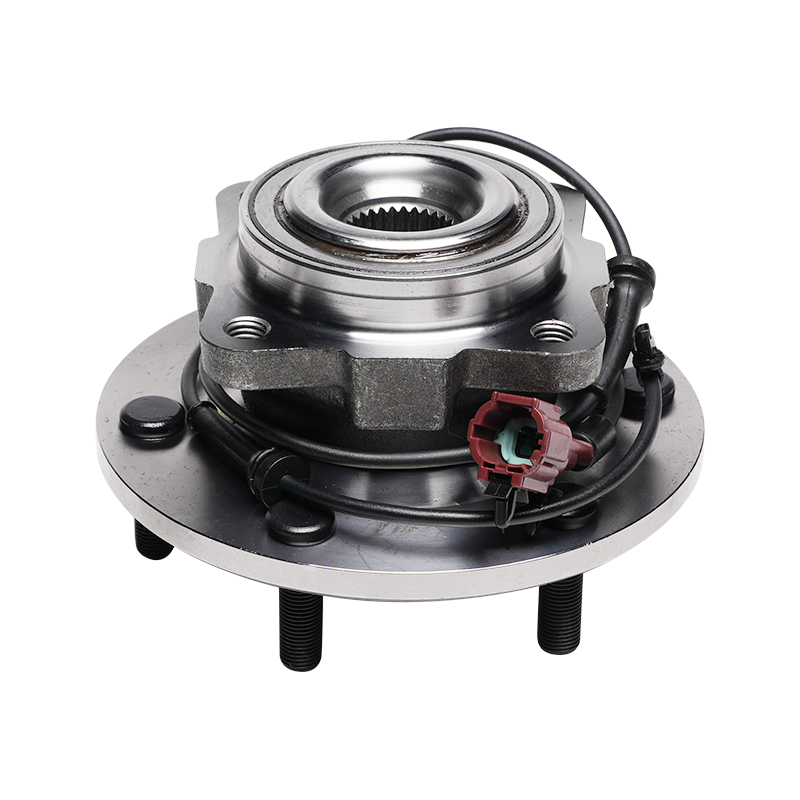
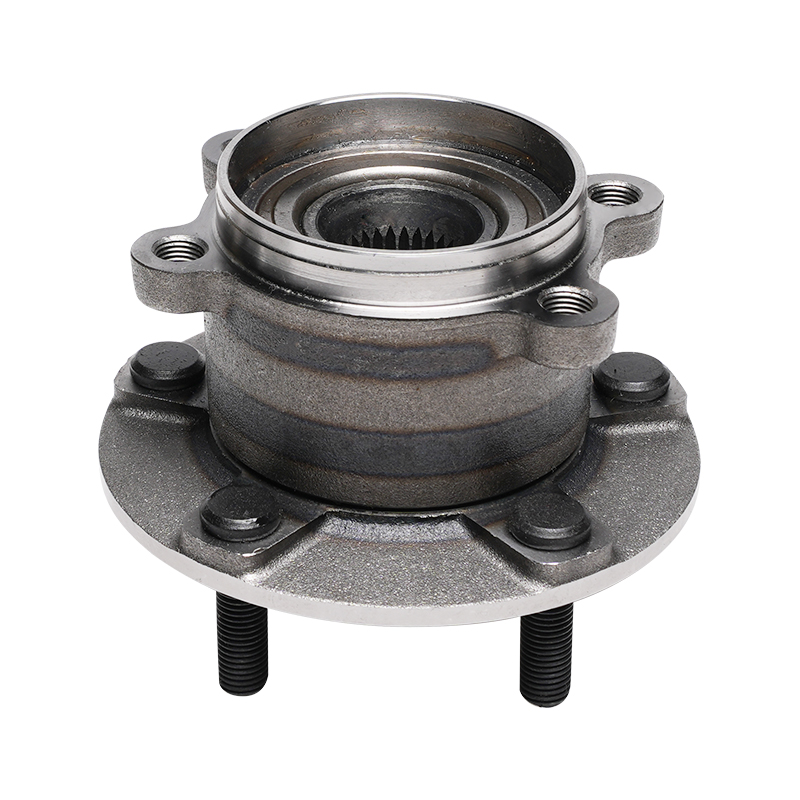
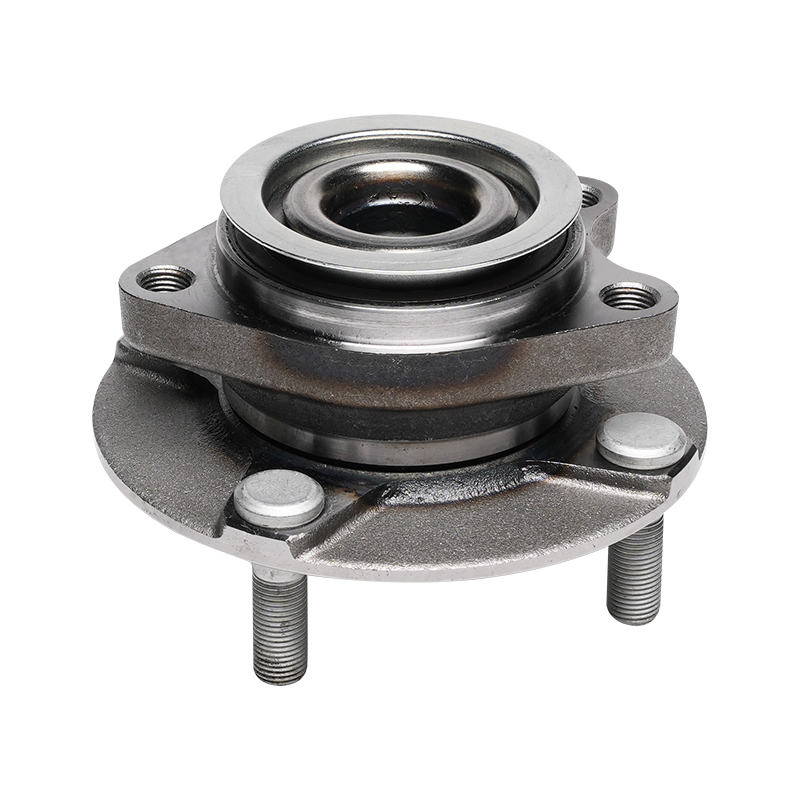
Wheel hub bearings typically consist of an inner ring, an outer ring, rolling elements, and a cage. The inner ring is mounted on the wheel axle, the outer ring is fixed in the hub housing, and the rolling elements roll freely between the inner and outer rings, maintaining low-friction characteristics during wheel rotation. The cage is used to fix the spacing between the rolling elements, preventing misalignment or congestion, thus ensuring smooth bearing operation. With technological advancements, modern wheel hub bearings often adopt a one-piece design, pre-lubricated with high-performance grease and precision-sealed, achieving maintenance-free operation and a long service life.
During vehicle operation, the wheel hub bearing bears the weight of the vehicle vertically, the impact forces from braking and acceleration horizontally, and must also cope with vibrations and temperature changes under complex road conditions. Its core function is to evenly distribute radial and axial loads, minimize friction through the rolling elements, and ensure precise contact between the tire and the road surface. The quality of the bearing directly affects vehicle handling, stability, and tire wear.
The manufacture of high-performance wheel hub bearings relies heavily on advanced materials and precision machining processes. High-hardness, high-toughness steel is typically used for the inner and outer rings and rolling elements to ensure fatigue and wear resistance during long-term operation. Surface treatments such as carburizing, nitriding, or rolling element surface coatings further improve the bearing's corrosion resistance and anti-stripping ability. Simultaneously, the selection of sealing materials is crucial; high-quality seals effectively prevent dust, moisture, and chemicals from entering the bearing, extending its service life.
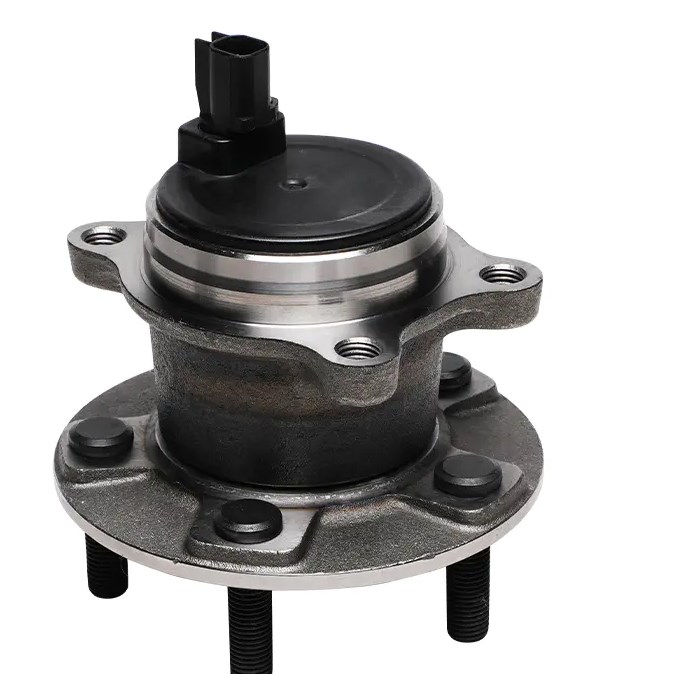
During the manufacturing process, precision turning, grinding, and heat treatment are the core steps in ensuring the performance of the wheel hub bearing. Precise control of inner and outer ring dimensions and raceway shape design ensures that the rolling elements maintain uniform stress and low-noise operation even at high speeds. Furthermore, modern production lines employ fully automated assembly and dynamic balancing testing technologies to ensure that each wheel hub bearing meets stringent standards upon leaving the factory. These process details directly determine the bearing's durability, load-bearing capacity, and reliability under extreme conditions.
Despite the high reliability of wheel hub bearings, failures can still occur with prolonged use or improper maintenance. Common bearing problems include rolling element wear, seal failure, insufficient lubrication, and abnormal axial clearance. These problems often manifest as increased hub noise, vibration, abnormal braking, or decreased vehicle stability. Neglecting maintenance can lead to more serious damage or even safety accidents.
Professional detection methods for these problems mainly include sound detection, vibration analysis, and temperature monitoring. By acquiring the spectral characteristics of the wheel hub's operating status using specialized equipment, abnormal signals can be detected early. Modern automakers have also introduced bearing self-diagnostic systems in high-end models, enabling intelligent early warning by monitoring bearing temperature and vibration in real time. This proactive detection method not only improves vehicle safety but also offers the possibility of optimizing maintenance costs.
Although wheel hub bearings are designed to be maintenance-free for extended periods, proper maintenance and care are still essential. During daily driving, avoid overloading, high-speed impacts, and frequent water immersion, as these factors accelerate bearing wear. Simultaneously, during vehicle maintenance, cleaning and inspecting the wheel hub and surrounding parts, and promptly replacing damaged seals and grease, are crucial for extending bearing life.
During repairs, bearing disassembly and installation must strictly adhere to torque and sequence requirements. Incorrect operation can damage the inner ring or rolling elements, affecting operational accuracy. With continuously improving industry standards, modern repair equipment can achieve precise bearing press-in and positioning, ensuring that wheel hub bearings are restored to near-factory performance levels.
With the development of new energy vehicles and intelligent driving technologies, wheel hub bearings also face new challenges and opportunities. Lightweight materials, high-precision machining, and low-noise design have become key research and development focuses. Some high-end electric vehicles adopt integrated in-wheel motor designs, requiring the bearings to simultaneously bear power transmission functions, thus placing higher demands on the bearings' load-bearing capacity and durability. Meanwhile, intelligent monitoring technology and lifespan prediction algorithms are becoming key competitive advantages for wheel hub bearing products, helping manufacturers and car owners prevent potential failures in advance.
Although wheel hub bearings are inconspicuous components in a car chassis, their role and impact are extremely profound. From structural design to material selection, from manufacturing processes to testing and maintenance, every aspect is related to vehicle safety and comfort. With the continuous development of automotive technology, the performance, lifespan, and intelligence level of bearings will continue to improve, providing a safer, smoother, and more efficient experience for future travel. Whether you are an engineer or a car owner, a deeper understanding and attention to wheel hub bearings will bring unexpected value.
Request for a call today


Tel: +86 0575-87785959

E-mail: [email protected]

Add:Room 215, Building 3, No. 1887, Asia Pacific Road, Wenyan Street, Xiaoshan District, Hangzhou, Zhejiang, China
