 Search for products...

 English
 中文简体
中文简体
Looking For Business Opportunity?
Request for a call today
NEW
 2026.04.01
 Industry News
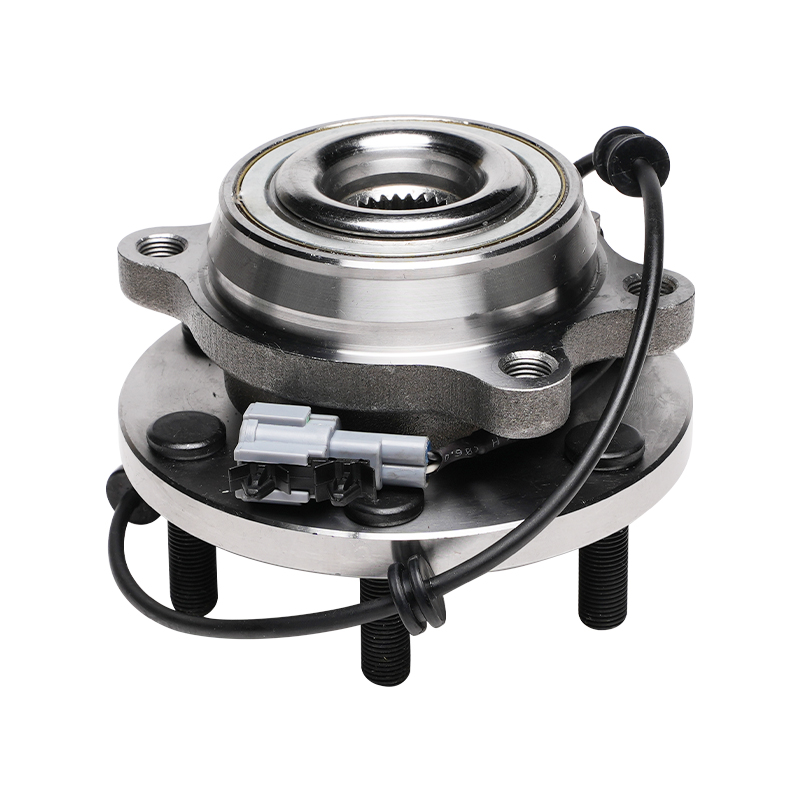
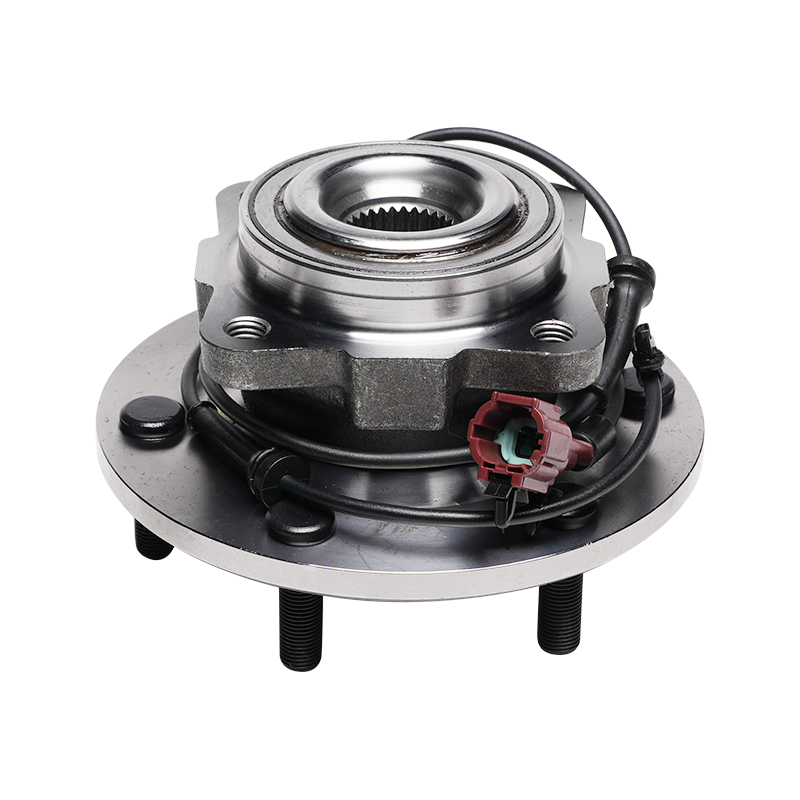
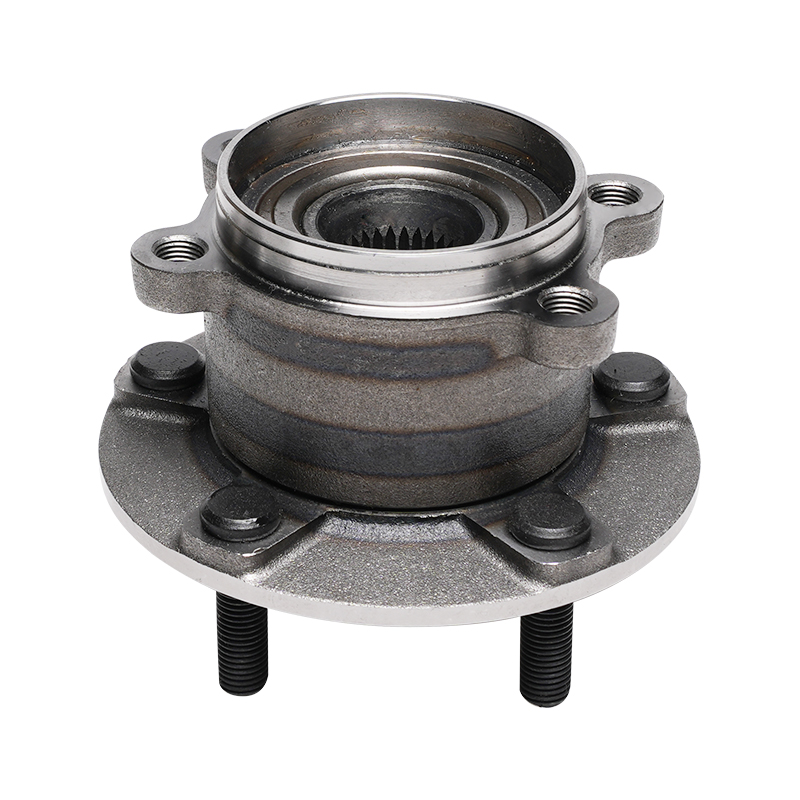
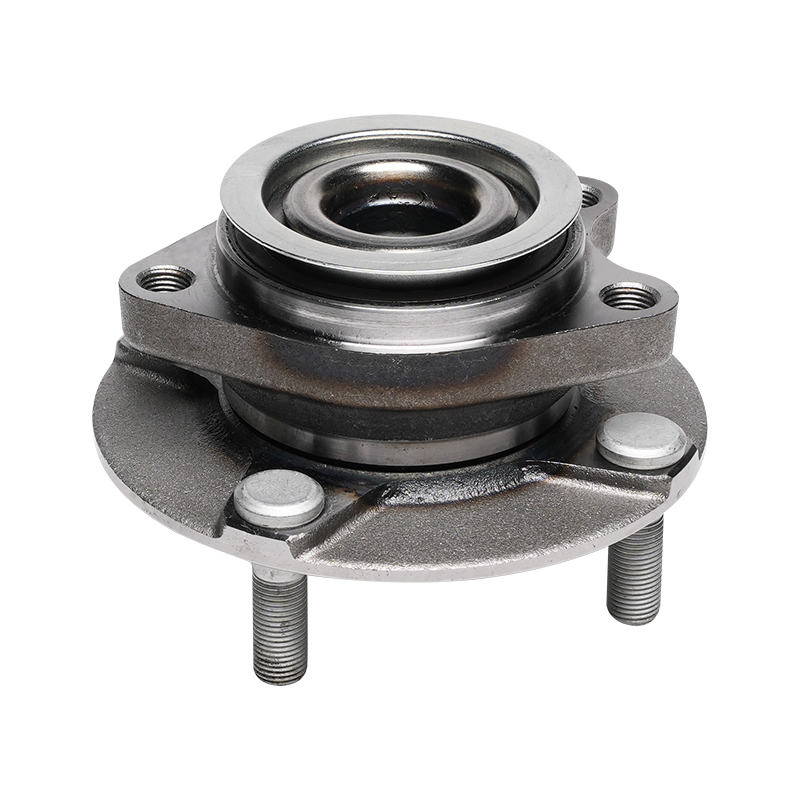
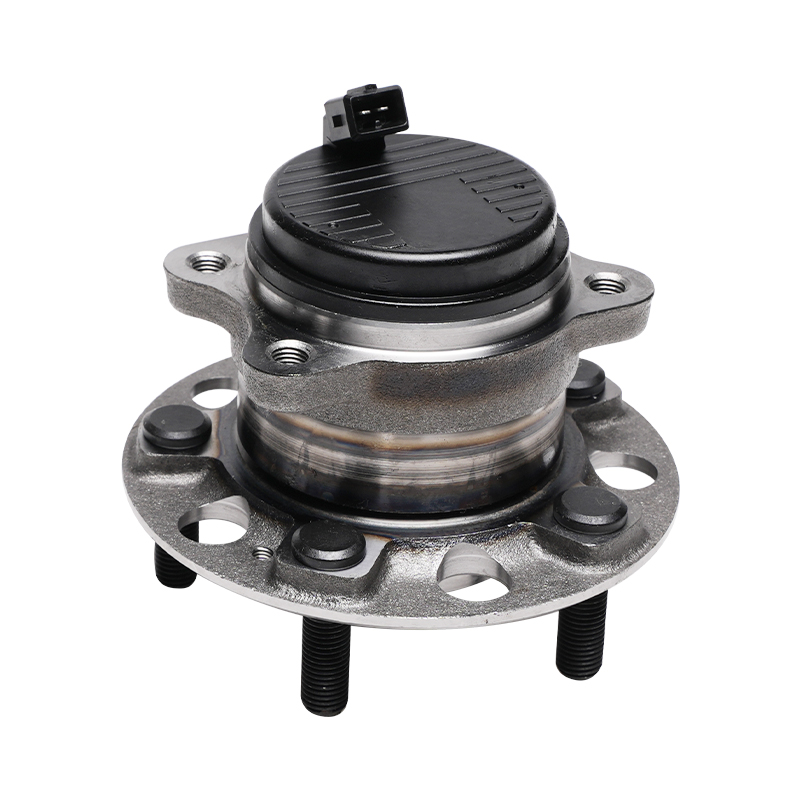
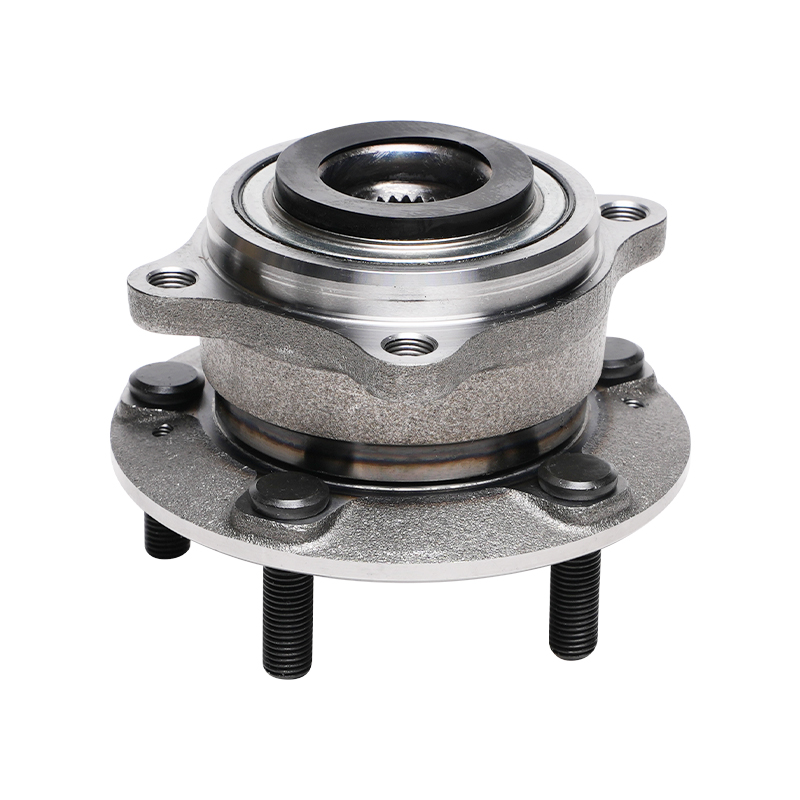
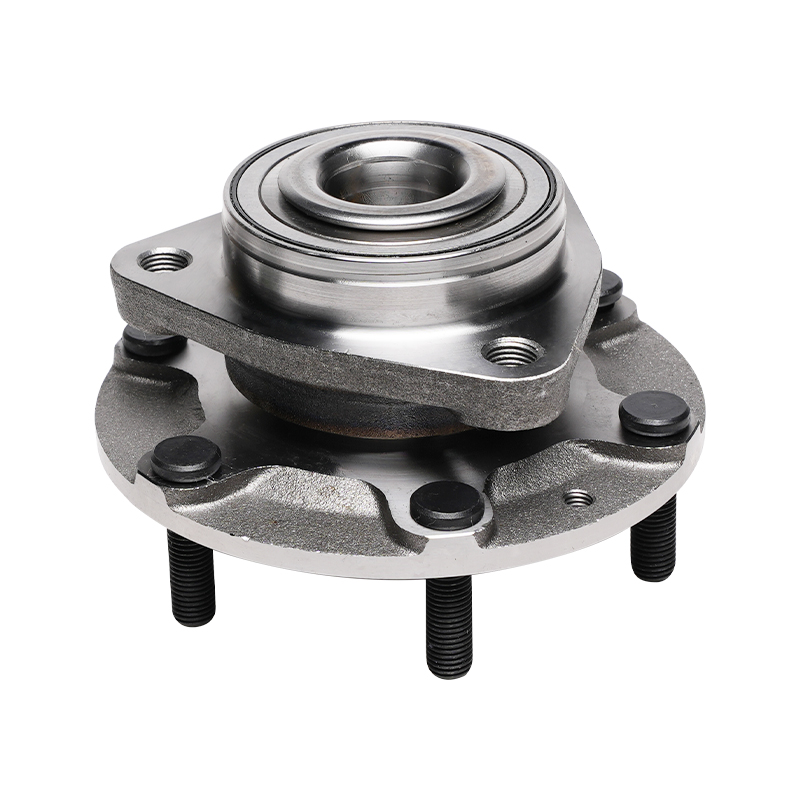
When it comes to maintaining the performance and safety of Korean vehicles, the wheel hub bearing is a component that demands uncompromised quality. Chinese-manufactured wheel hub bearings designed for Korean cars offer the most optimal balance between high performance and cost efficiency in the current global automotive market. Contrary to common misconceptions, these products are not imitations of Korean brands but are precision-engineered components produced in advanced Chinese factories, specifically tailored to meet the technical specifications and driving dynamics of Korean vehicle models. For international buyers and auto repair shops, sourcing these bearings directly from specialized Chinese manufacturers ensures access to durable, high-standard parts without the premium price tag associated with original equipment (OE) branding. This strategic sourcing approach allows businesses to maintain high service standards while significantly improving profit margins, proving that the origin of manufacturing excellence lies in the technology and process, not just the brand name.
Korean vehicles are renowned globally for their reliability, fuel efficiency, and comfortable driving experience. To maintain these characteristics, every component in the drivetrain and chassis must function flawlessly. The wheel hub bearing is a central element in this system, serving as the literal pivot point for the vehicle's wheels. It performs two essential functions simultaneously: it allows the wheel to rotate with minimal friction, and it supports the weight of the vehicle. In the context of Korean cars, which often feature specific suspension geometries and hub assemblies, the bearing must be engineered to exact tolerances to handle both radial and axial loads effectively.
A failure in this component does not merely result in mechanical inconvenience; it poses a severe safety risk. A degraded bearing can cause wheel wobble, uneven tire wear, and in extreme cases, wheel detachment. Furthermore, Korean vehicle designs, particularly in popular sedans and SUVs, often integrate the wheel speed sensor (ABS sensor) directly into the hub assembly. This integration means that the bearing is not just a mechanical part but a critical electronic component for the vehicle's safety systems. Therefore, choosing a high-quality replacement bearing is not a matter of preference but a necessity for preserving the vehicle's original safety, integrity, and handling characteristics.
The global automotive supply chain has undergone a significant transformation over the past two decades. China has emerged not just as a low-cost production center but as a hub for advanced manufacturing technologies. When we discuss wheel hub bearings for Korean cars produced by Chinese factories, we are referring to products that leverage state-of-the-art metallurgy and precision machining. These factories have invested heavily in automated production lines, robotic quality control systems, and research and development centers that specifically study the failure modes and performance requirements of vehicles from different regions, including Korea.
Leading Chinese factories utilize sophisticated forging and heat treatment processes to ensure the steel used in the bearings has the correct hardness and fatigue resistance. The machining process ensures that the raceway geometry matches the specific requirements of Korean vehicle hubs, often achieving tolerances measured in microns. This precision prevents vibration and noise, which are common complaints with lower-quality alternatives. By employing computer-controlled grinding and assembly, manufacturers ensure that every unit leaving the factory meets strict international standards such as ISO/TS 16949.
Unlike generic bearing producers, Chinese factories focusing on the export market have developed dedicated product lines for specific vehicle makes. They conduct extensive reverse engineering on popular Korean models to ensure their aftermarket bearings perform identically to the original parts. This includes matching the bolt patterns, spline counts, and ABS sensor resistance values. Whether the application is a compact city car or a robust SUV, the production is tailored to the unique load capacities and suspension setups of these vehicles.
For foreign trade buyers and automotive professionals, distinguishing between a premium product and a substandard one requires attention to technical details. When sourcing Korean car wheel hub bearings from a Chinese supplier, specific features indicate a product's reliability and longevity. It is crucial to look beyond the surface appearance and evaluate the engineering substance.
| Feature | Standard Requirement | Premium Chinese Export Quality |
|---|---|---|
| Material Grade | Standard Carbon Steel | High-Purity GCr15 Bearing Steel |
| Seal Quality | Basic Rubber Seal | Multi-Lip Heavy-Duty Seals (NOK type) |
| ABS Sensor Integration | Passive or Magnetic | Precision-Matched Active Sensors |
| Grease Type | General Purpose Lithium | High-Temp Synthetic Complex |
| Warranty Coverage | 6 to 12 Months | 24 Months or Extended Mileage |
The longevity of a bearing is primarily determined by the quality of the steel and the heat treatment process. High-quality Chinese manufacturers typically use GCr15 bearing steel, which is equivalent to SAE 52100 in the US standard or SUJ2 in the Japanese standard. This material provides excellent wear resistance and fatigue life. The heat treatment process must be carefully controlled to achieve a hardness rating typically around HRC 60-64. If the bearing is too hard, it becomes brittle and prone to cracking under impact; if it is too soft, it will deform under heavy loads. A reputable factory will provide hardness test reports and metallographic analysis to verify the material quality.
The seal is arguably the most critical component for the survival of the bearing. A compromised seal allows water, dust, and road salt to enter the bearing cavity, leading to corrosion and grease contamination. Premium bearings designed for Korean cars feature advanced sealing designs, often utilizing multi-lip seals made from high-grade nitrile rubber or fluororubber. These seals are designed to maintain contact with the rotating raceway even under extreme temperature fluctuations and wheel vibration. Inside, the bearing should be packed with high-quality, high-temperature synthetic grease that does not leak or degrade over time.
One of the primary drivers for international buyers turning to Chinese factories is the significant economic advantage. However, the benefit extends far beyond just a lower purchase price. The value proposition encompasses supply chain efficiency, customization capabilities, and competitive total cost of ownership. In the competitive automotive aftermarket, the ability to offer high-quality parts at a better price point is a decisive factor for business growth.
Furthermore, the reliability of modern Chinese manufacturing reduces the rate of warranty claims and returns. A product that lasts longer and performs better reduces the administrative costs associated with processing returns and managing dissatisfied customers. When the total cost of quality, logistics, and after-sales service is calculated, direct sourcing from a verified Chinese manufacturer represents a superior financial strategy for foreign trade enterprises.
Trust is built on verification. Reliable Chinese factories implement rigorous quality control protocols that mirror international standards. For wheel hub bearings, this involves a series of tests designed to simulate real-world driving conditions and verify the structural integrity of the components. Buyers should inquire about these testing procedures to ensure the supplier meets their quality expectations.
By adhering to these strict testing regimes, Chinese factories demonstrate that their products are not merely copies but are engineered solutions. Providing test data and quality certificates with shipments builds a transparent relationship between the manufacturer and the foreign buyer.
The market for Korean car wheel hub bearings is vast, covering a wide range of vehicle segments. Chinese factories produce bearings that cover the entire lifecycle of these vehicles, from the latest models to older generations that are still prevalent in developing markets. Understanding the specific application range helps buyers select the right stock for their target market.
Popular applications often include components for mid-size sedans, which are widely used as taxis and family cars in many regions. These vehicles require bearings that can handle high mileage and frequent start-stop driving conditions. Additionally, the growing popularity of Korean SUVs and crossovers has increased demand for heavy-duty hub assemblies capable of supporting greater vehicle weight and providing stability for higher ground clearance. Light commercial vehicles and vans also represent a significant segment, where durability and load-bearing capacity are the primary requirements. A comprehensive product catalog from a Chinese supplier will typically cover the majority of these high-demand applications, ensuring that buyers can fulfill the needs of local repair shops and distributors.
There persists a misconception in some markets that products manufactured in China for Korean cars are inherently inferior to "genuine" Korean parts. It is important to clarify the reality of the global supply chain. Many internationally recognized automotive brands, including those from Korea, source components or assemble vehicles in China. The distinction lies in the specific manufacturer's quality control and technical capability, not the geographic border.
When a buyer chooses a specialized Chinese factory, they are accessing the same manufacturing infrastructure that supplies the global automotive industry. The key is to differentiate between low-end, price-driven manufacturers and professional, export-oriented factories. The latter focuses on longevity, precision, and compliance with international standards. They understand that their reputation in the foreign trade market depends on consistent quality. By choosing a verified, professional manufacturer, buyers get the technical performance required for Korean vehicles without paying the premium for the brand logo. This shift in perspective allows businesses to offer their customers a smart alternative—a product that performs the job reliably at a fair price.
Selecting the right partner is the final, crucial step in the sourcing process. A successful long-term relationship depends on the supplier's ability to communicate effectively, deliver consistently, and support the buyer technically. There are several indicators that a Chinese factory is a professional and reliable partner for wheel hub bearings.
In summary, the market for wheel hub bearings for Korean vehicles is robust, and Chinese manufacturing has firmly established itself as a leader in this space. By focusing on technical specifications, quality assurance, and partnership reliability, foreign trade businesses can successfully source premium products that drive profitability and customer satisfaction.
Request for a call today


Tel: +86 0575-87785959

E-mail: [email protected]

Add:Room 215, Building 3, No. 1887, Asia Pacific Road, Wenyan Street, Xiaoshan District, Hangzhou, Zhejiang, China
