 Search for products...

 English
 中文简体
中文简体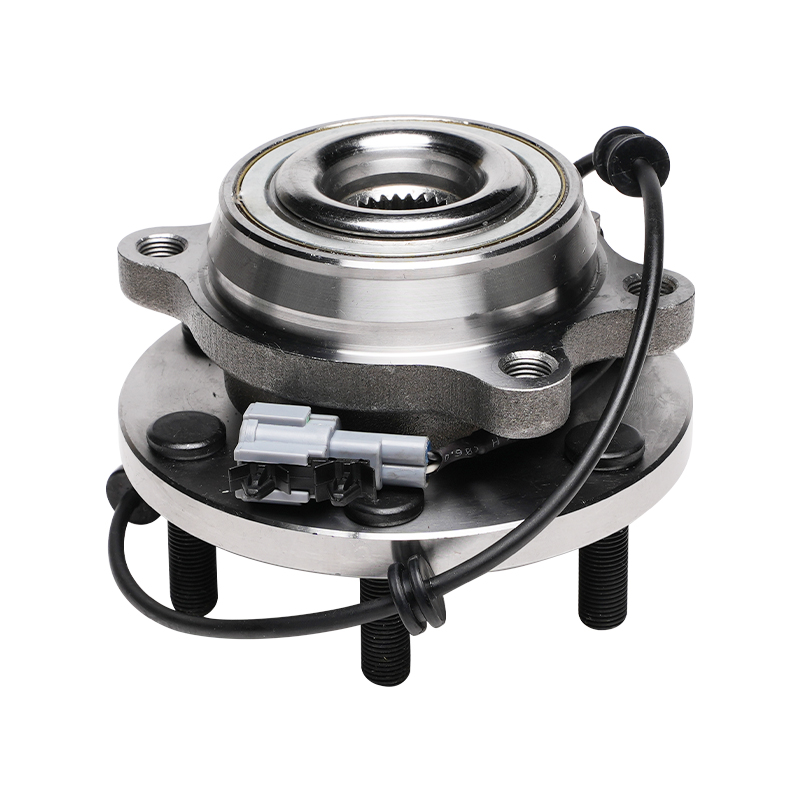
Looking For Business Opportunity?
Request for a call today
NEW
 Home / News / Industry News / OEM vs. Aftermarket: Which Wheel Hub Bearings Actually Offer Better ROI for Fleets?
 2026.04.08
 Industry News
The wheel hub bearing is a critical component that allows the wheels to rotate smoothly with minimal friction while supporting the entire weight of the vehicle. If you suspect any issue with this part, the most direct and correct course of action is to have it inspected and replaced immediately. Ignoring a failing wheel hub bearing will inevitably lead to severe safety hazards, including the wheel detaching from the vehicle or the complete loss of steering control at high speeds. There is no safe way to repair a compromised bearing; it must be entirely replaced as a unit to restore structural integrity and driving safety. Proactive maintenance and paying close attention to early warning signs are the only effective strategies to prevent dangerous roadside breakdowns.
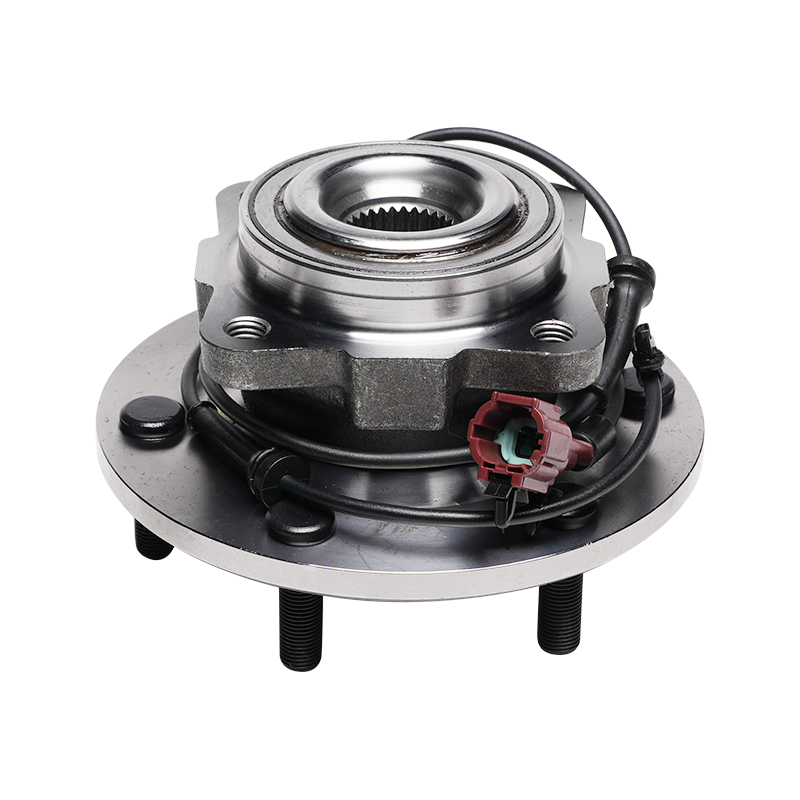
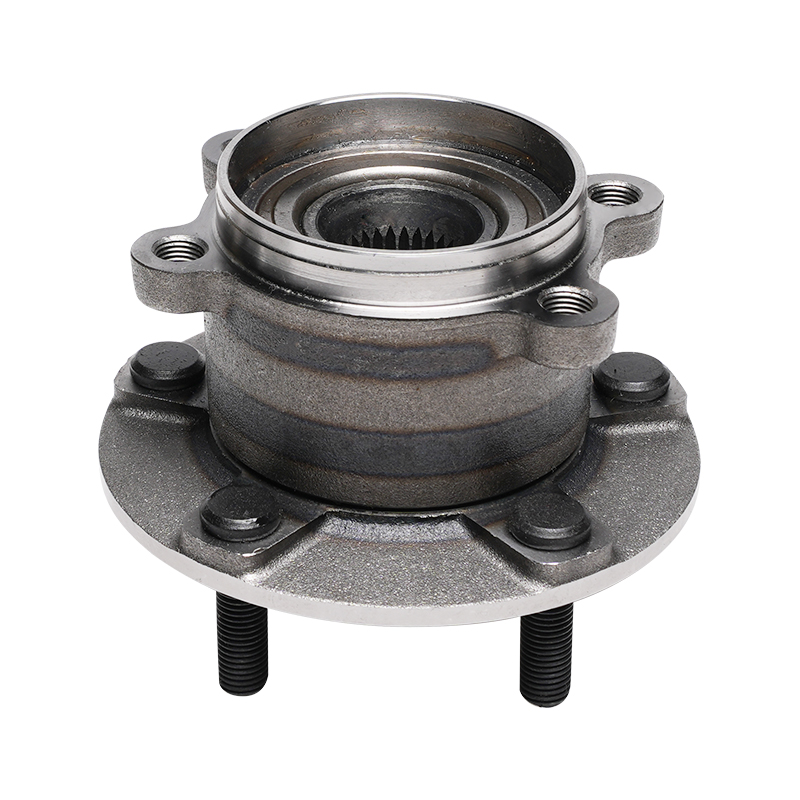
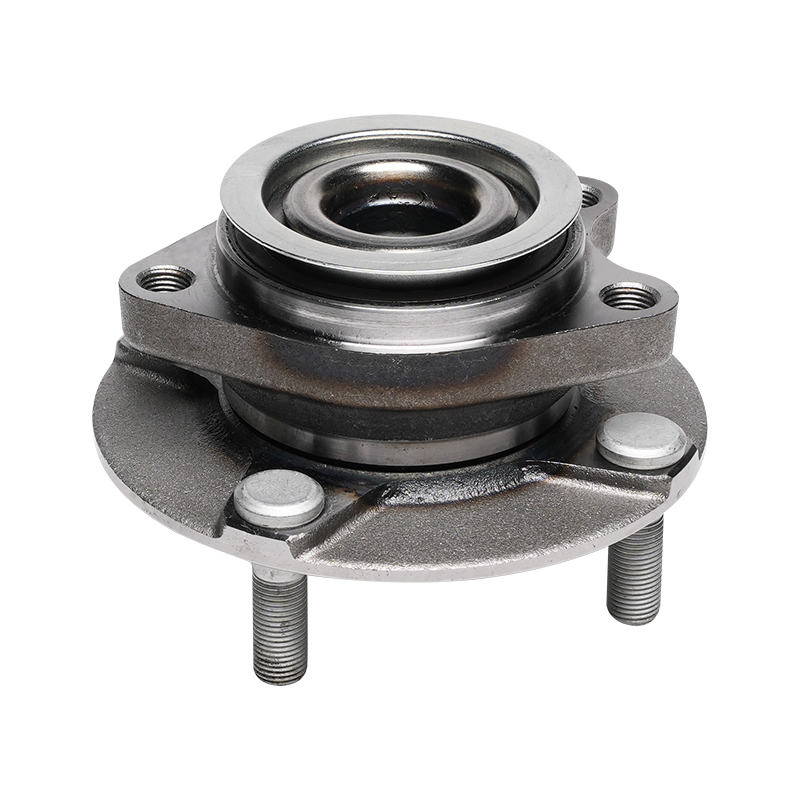
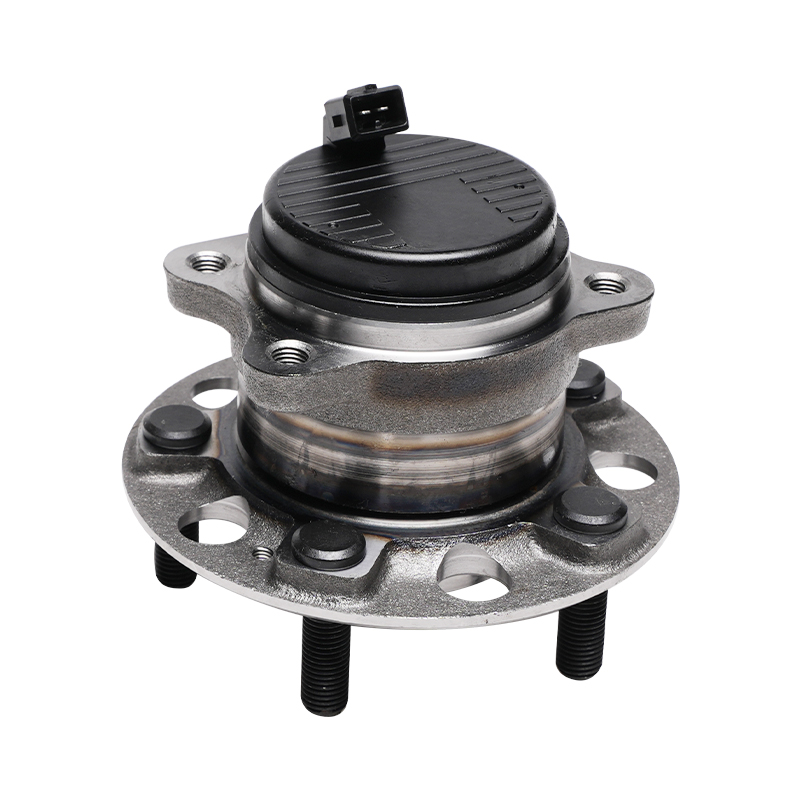
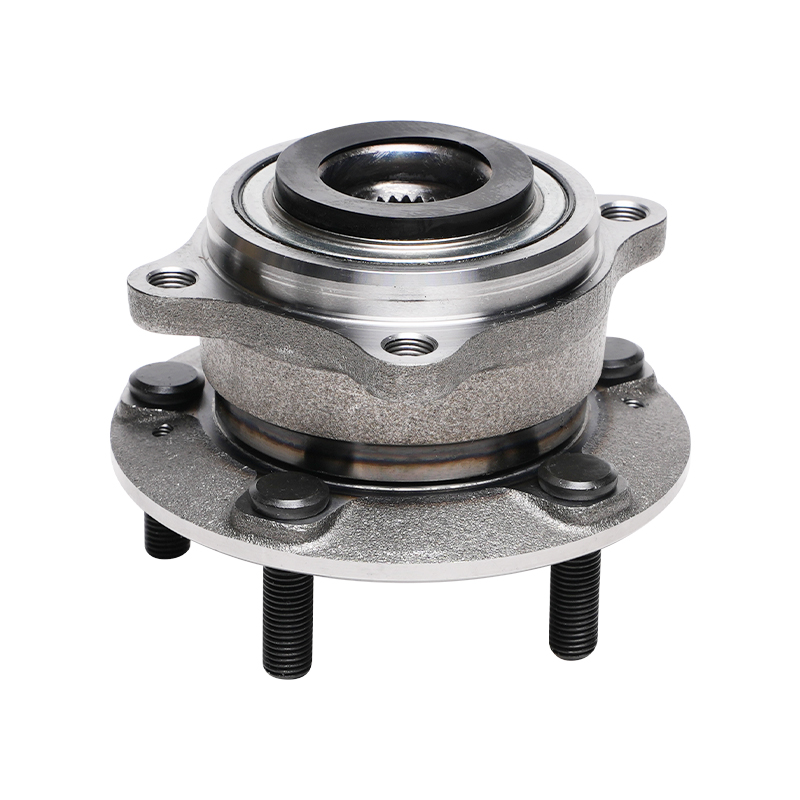
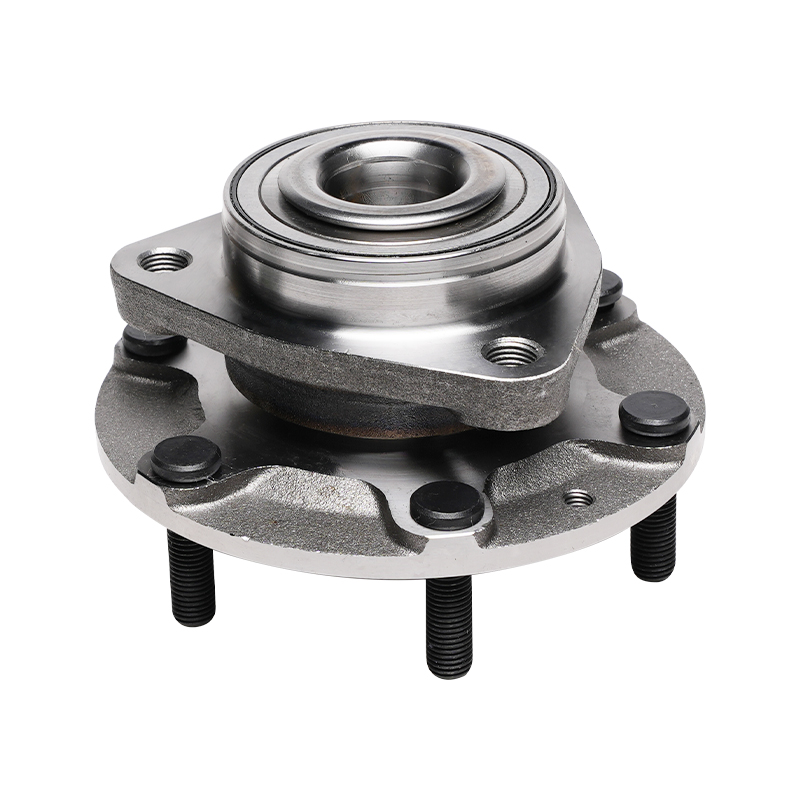
To fully appreciate the importance of this component, one must understand its mechanical responsibilities. The wheel hub bearing sits at the intersection of the wheel, the brake rotor, and the suspension strut or axle. It is engineered to handle extreme radial loads—such as the heavy weight of the vehicle and passengers—as well as axial loads, which are the cornering forces exerted during turns. Modern vehicles almost exclusively use a generation three hub bearing, which integrates the bearing, the wheel hub, and the wheel speed sensor into one single, sealed unit. This integrated design significantly reduces the number of loose parts during assembly, minimizing the chance of human error during installation.
Inside the sealed metal housing, precise steel balls or tapered rollers are positioned between an inner and outer raceway. These rolling elements are what eliminate the sliding friction that would otherwise exist if the wheel simply spun on a solid shaft. The internal components are packed with a specific type of high-temperature grease and protected by specialized rubber seals. These seals perform a dual function: they keep the lubricating grease inside the bearing, and they keep harmful contaminants like water, mud, and road dust out. Once these seals are breached, the countdown to bearing failure begins rapidly.
In older vehicles, front wheel bearings were often tapered roller bearings that could be disassembled, cleaned, repacked with grease, and adjusted for proper preload. However, advancements in automotive engineering shifted the industry toward pre-packed, sealed units. This transition occurred because modern front-wheel-drive and all-wheel-drive vehicles subject the bearings to much more complex stress angles. Sealed units provide a precise, factory-controlled amount of lubrication and exact tolerances that cannot be replicated in a standard repair shop environment. Consequently, when a modern wheel hub bearing fails, the entire assembly must be swapped out rather than simply repacked with grease.
A wheel hub bearing does not usually fail overnight. It typically provides several audible and physical warnings as the internal components begin to wear down. Recognizing these symptoms early can prevent more expensive damage to adjacent components like the CV joint, brake caliper, or suspension knuckle. The most common indicator is an unusual noise that changes pitch relative to vehicle speed.
If the early signs are ignored, the failure will progress to more dangerous symptoms. The most severe is an abnormal pull to one side during braking. When a bearing has severe internal play, it can cause the brake rotor to tilt slightly relative to the brake caliper. When the brakes are applied, the pad presses against a tilted rotor, pushing the wheel in a specific direction. Additionally, because modern hub bearings house the wheel speed sensor for the anti-lock braking system and traction control systems, a failing bearing can trigger warning lights on the dashboard and disable these critical safety features entirely.
While a wheel hub bearing is designed to last for tens of thousands of miles, certain environmental and mechanical factors can drastically shorten its lifespan. Understanding these causes can help drivers adopt habits that promote longer component life.
Accurately diagnosing a failing wheel hub bearing requires a systematic approach to avoid misdiagnosing it as a tire issue, drivetrain problem, or suspension wear. A combination of auditory testing and physical inspection provides the most reliable results.
The most effective initial diagnostic tool is a road test on a quiet, curved road. As the vehicle is driven at a constant speed, the driver gently swerves the car to the left and then to the right, shifting the weight of the vehicle. If the bearing noise noticeably increases when turning left, the right-side bearing is likely at fault, because swerving left transfers the vehicle's weight onto the right-side wheels. Conversely, if the noise increases during a right turn, the left-side bearing is the suspect. This weight-shifting principle isolates the loaded bearing and amplifies its noise.
With the vehicle safely lifted on a hydraulic lift and the suspension hanging freely, a technician can perform a hands-on inspection. First, the wheel is grasped at the top and bottom and forcefully rocked back and forth. Any noticeable clunking or excessive play usually indicates a worn suspension component, such as a ball joint, but it can also point to severe bearing wear. Next, the wheel is grasped at the nine o'clock and three o'clock positions and shaken laterally. If there is any play in this direction, it almost exclusively points to a failed wheel hub bearing or a loose wheel nut. Finally, with the wheel off, the technician spins the hub by hand. A rough, grinding sensation or a scratchy sound confirms internal damage.
Replacing a wheel hub bearing is a labor-intensive process that requires specific mechanical knowledge. Because the bearing is pressed tightly into the steering knuckle, improper removal and installation techniques will instantly ruin a brand-new part.
While sealed hub bearings are maintenance-free in terms of lubrication, drivers can adopt several practices to maximize their service life and avoid catastrophic failures. Preventive maintenance focuses on reducing the environmental stress placed on the front and rear axles.
Because a failing wheel hub bearing shares symptoms with several other automotive issues, a misdiagnosis can lead to unnecessary expenses. The table below contrasts the primary indicators to help narrow down the root cause of vehicle vibrations or abnormal noises.
| Symptom Characteristic | Wheel Hub Bearing Failure | Uneven Tire Wear | Worn Suspension Bushings |
|---|---|---|---|
| Noise Pitch | Constant growling, changes with vehicle speed | Humming or thumping changes with the road surface | Squeaking or clunking, mostly over bumps |
| Effect of Turning | Noise increases significantly when the weight shifts | Noise usually remains constant | May cause a clunk during sharp, low-speed turns |
| Vibration Location | Felt in the steering wheel or floorboard at all speeds | Felt in the steering wheel, starts at a specific higher speed | Vague handling, vehicle wanders on straight roads |
| Physical Wheel Play | Noticeable play at the 9 and 3 o'clock positions | No play when the wheel is shaken | Play may be present at 12 and 6 o'clock positions |
The consequences of a failing wheel hub bearing extend far beyond a simple, annoying noise. Modern vehicles rely heavily on precise wheel speed data to operate correctly, and a compromised bearing disrupts this data flow. The wheel speed sensor ring, which is typically attached to the outer edge of the hub bearing, must rotate with absolute precision. If the bearing develops excessive play, the gap between the sensor and the tone ring fluctuates. This causes the sensor to send erratic speed signals to the vehicle's computer.
When the computer receives conflicting wheel speed data, it cannot accurately determine if a wheel is slipping. As a defensive measure, the system will disable the Anti-lock Braking System and the Traction Control System, illuminating warning lights on the dashboard. Driving a vehicle with disabled ABS significantly increases stopping distances on wet or icy surfaces, directly threatening occupant safety. Furthermore, in vehicles equipped with electronic stability control, a failing rear wheel hub bearing can cause the system to falsely activate, unexpectedly applying the brakes on one wheel while driving at highway speeds, which can easily lead to a loss of vehicle control.
Not all wheel hub bearings are constructed the same way. The automotive industry has evolved through several distinct generations of bearing designs, each offering different levels of integration and complexity. Understanding which generation your vehicle uses is important when ordering replacement parts, as they are not interchangeable.
| Bearing Generation | Design Characteristics | Common Application |
|---|---|---|
| First Generation | Bearing only requires a separate hub and races | Older rear-wheel-drive trucks |
| Second Generation | Bearing and flange integrated; pressed onto knuckle | Early front-wheel-drive vehicles |
| Third Generation | Fully integrated hub, bearing, and sensor ring | The vast majority of modern passenger cars |
The third-generation design is by far the most prevalent in today's automotive landscape. Its primary advantage is the elimination of the runout—a slight wobble—that can occur when stacking separate components together. By manufacturing the hub and bearing as a single, precision-machined piece, the wheel speed sensor reads a perfectly true tone ring. This ensures the absolute accuracy required for modern advanced driver-assistance systems to function correctly.
The environment in which a vehicle operates plays a substantial role in the degradation rate of its wheel hub bearings. Vehicles operated primarily in harsh conditions will experience a much shorter bearing lifespan compared to those driven on smooth, dry highways. Coastal environments present a unique challenge due to the high salt content in the air. Salt spray easily penetrates the microscopic gaps around the bearing seals, causing rapid oxidation of the internal steel components. Over time, this rust creates a gritty paste inside the grease, acting like sandpaper against the precision rollers.
Similarly, regions that experience heavy snowfall rely on road salt and chemical de-icers to clear the roads. These harsh chemicals are constantly splashed up into the wheel wells during winter driving. While the external housing of the bearing is treated for corrosion resistance, the internal seals remain vulnerable to chemical degradation. The rubber compounds used in the seals can slowly degrade when exposed to calcium chloride or magnesium chloride, causing them to lose their elasticity and shrink. Once the seal shrinks, the protective barrier is broken, and the bearing's lifespan is severely compromised. Drivers in these environments should be particularly diligent about washing the undercarriage of their vehicles during the spring thaw to remove accumulated chemical residue.
Many drivers delay replacing a noisy wheel hub bearing due to the perceived cost of the repair. However, this approach is fundamentally flawed from an economic perspective. The cost of a single replacement bearing and the associated labor is a fixed, predictable expense. Conversely, the cost of allowing the bearing to fail can be exponentially higher. When a bearing seizes or shatters internally, it often damages the wheel mounting studs, the brake rotor, and the axle shaft spline. In extreme cases, the violent wobbling can damage the suspension struts or the steering knuckle itself.
Furthermore, driving on a severely failing bearing causes the vehicle to drag, increasing rolling resistance. This forces the engine to work harder to maintain speed, resulting in a noticeable drop in fuel efficiency. The small amount of money saved by postponing the repair will inevitably be consumed by increased fuel costs, additional damaged parts, and the higher labor rates required to fix a structurally damaged suspension system. Addressing the issue at the first sign of a rough growl is always the most financially sound decision.
Request for a call today


Tel: +86 0575-87785959

E-mail: [email protected]

Add:Room 215, Building 3, No. 1887, Asia Pacific Road, Wenyan Street, Xiaoshan District, Hangzhou, Zhejiang, China
