 Search for products...

 English
 中文简体
中文简体
Looking For Business Opportunity?
Request for a call today
NEW
 2026.06.22
 Industry News
The wheel hub bearing is an absolutely critical assembly that allows your vehicle's wheels to rotate with minimal friction while supporting the entire weight of the automobile. When this component fails, it compromises steering control, braking efficiency, and overall vehicular safety. Recognizing the warning signs early and performing timely maintenance is the most effective way to prevent catastrophic wheel detachment and costly drivetrain damage.
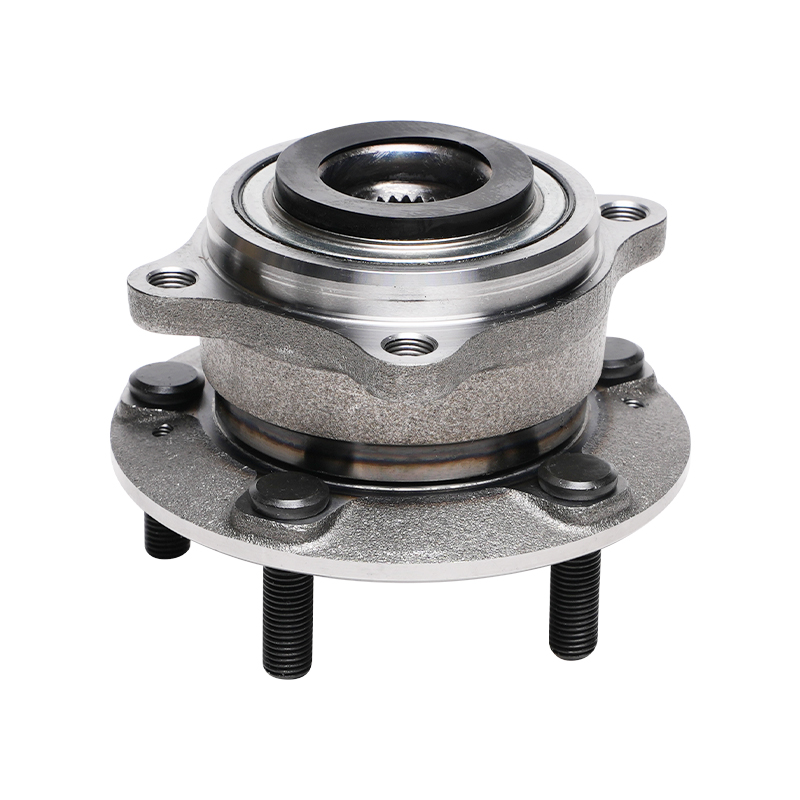
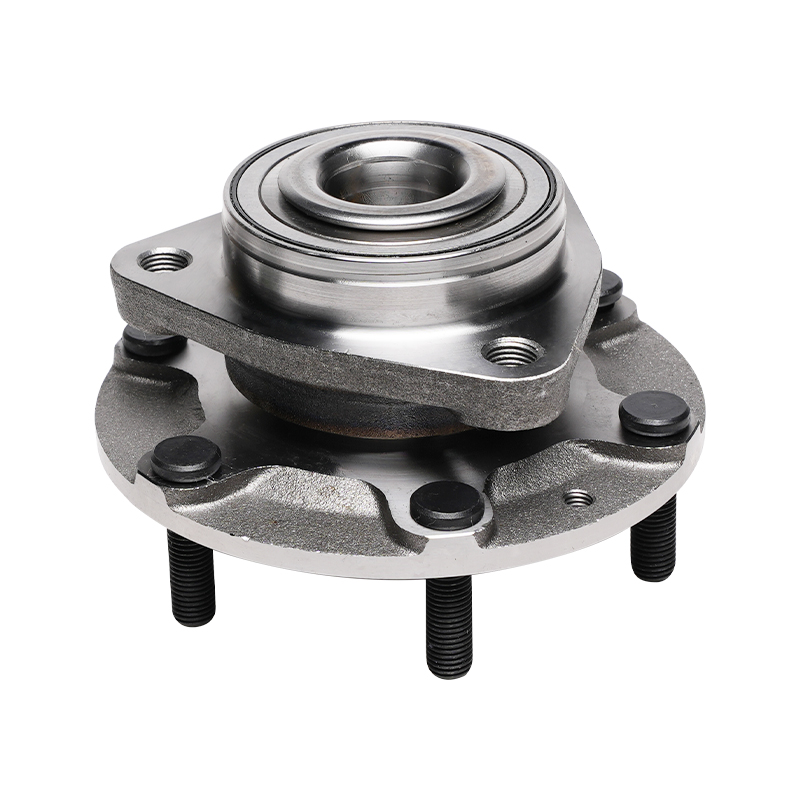
At its core, a wheel hub bearing serves two primary purposes: providing a smooth, low-friction surface for the wheel to spin on and acting as the rigid structural bridge between the wheel and the vehicle's suspension system. Internally, the assembly consists of steel balls or rollers encased between inner and outer steel races. These rolling elements drastically reduce the coefficient of friction compared to a solid metal-on-metal connection, allowing the wheel to spin freely at high speeds.
A passenger vehicle can weigh several thousand pounds. This immense static and dynamic load is distributed across the four contact patches of the tires, with each wheel hub bearing absorbing a significant portion of that weight. During cornering, braking, and acceleration, the forces exerted on the bearing multiply exponentially. A healthy bearing must withstand severe lateral and radial loads without deflecting or breaking apart. If the bearing loses its structural rigidity, the wheel will wobble, leading to unpredictable handling and accelerated tire degradation.
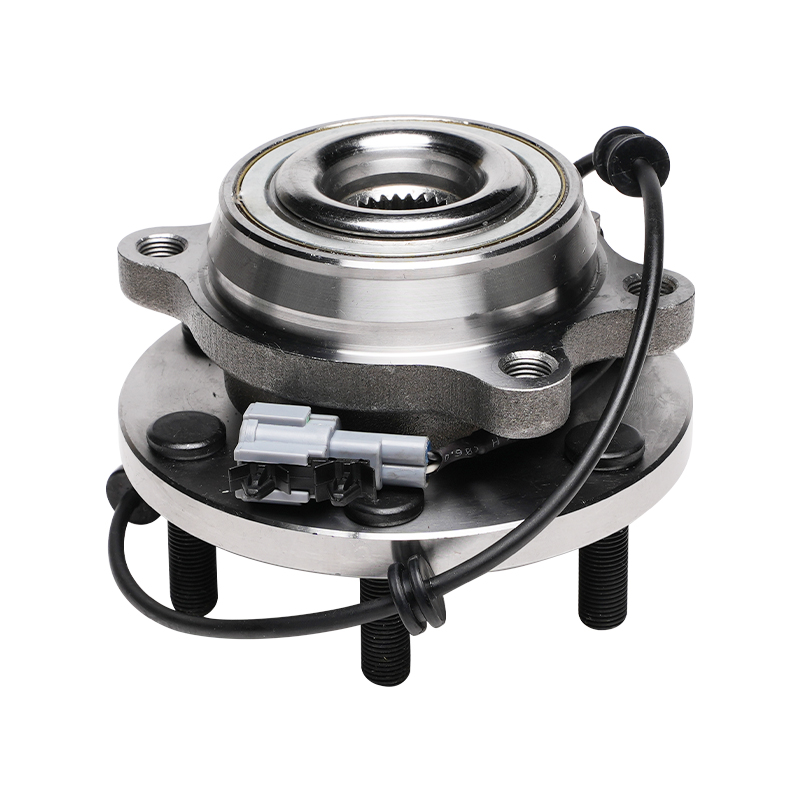
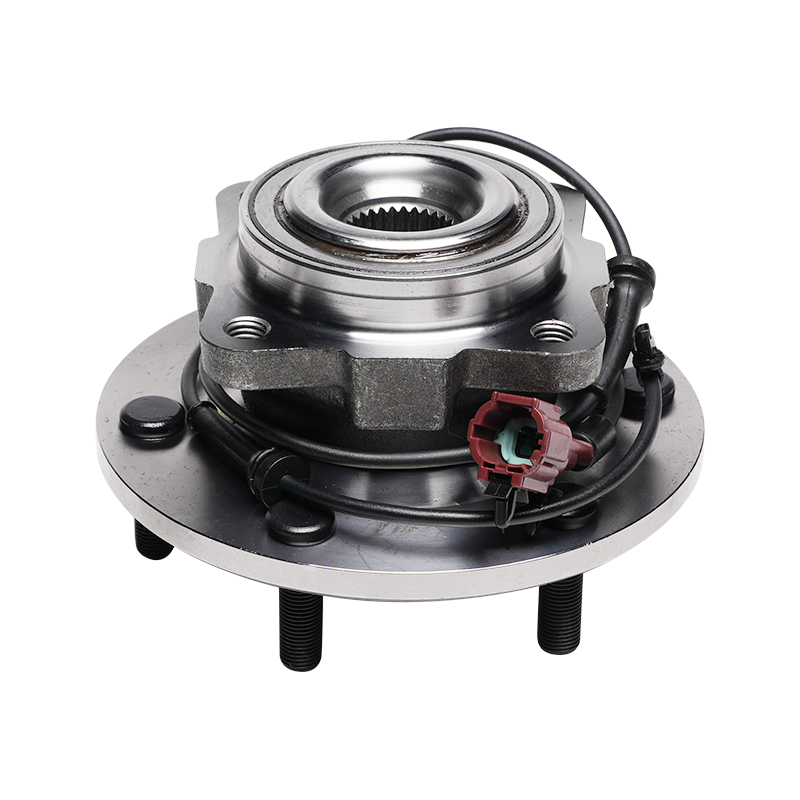
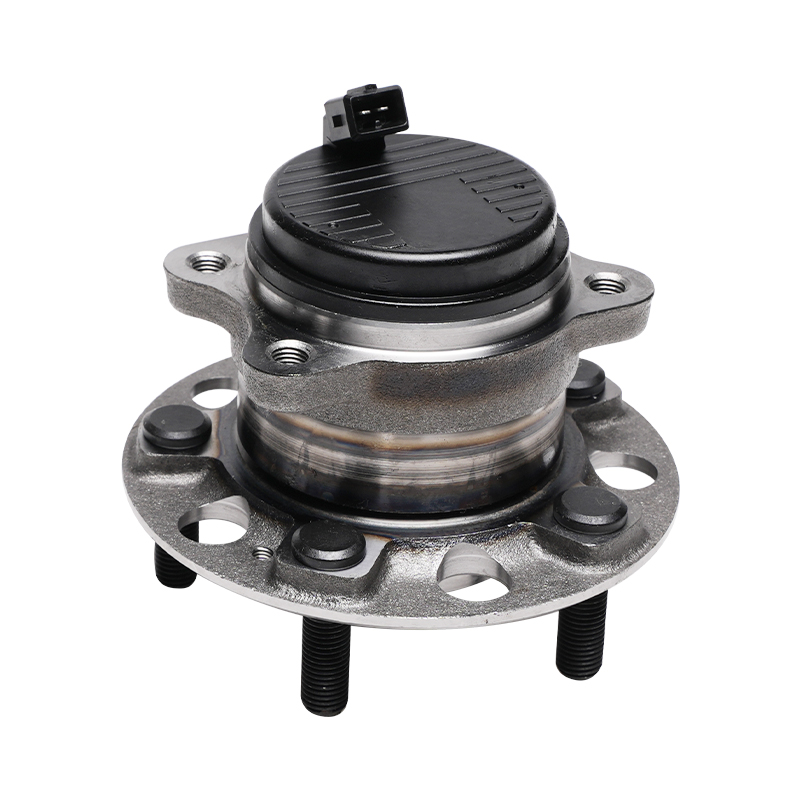
In modern vehicles, the wheel hub bearing is not just a mechanical component; it is an active part of the electronic safety network. Many contemporary hub assemblies come pre-integrated with magnetic encoder rings or ABS (Anti-lock Braking System) tone rings. These sensors read the rotational speed of the wheel hundreds of times per second, feeding crucial data to the vehicle's computer. This information dictates when the ABS should pulse the brakes to prevent skidding, and it informs the traction control system when a wheel is losing grip.
Identifying a failing wheel hub bearing early can prevent secondary damage to the axle, steering knuckle, and brake components. The symptoms usually develop gradually, starting as a minor annoyance and progressing into a severe mechanical issue. Drivers must remain vigilant for the following indicators:
While wheel hub bearings are engineered for longevity, they operate in one of the harshest environments on a vehicle. Several factors can drastically reduce their operational lifespan. Understanding these causes is essential for adopting driving habits that protect the suspension system.
Wheel bearings are packed with specialized high-temperature grease and sealed to keep contaminants out. However, driving through deep water, severe flooding, or highly corrosive environments can compromise these seals. Once moisture, mud, or road salt breaches the seal, the grease emulsifies and loses its lubricating properties. The abrasive contaminants act like sandpaper, rapidly destroying the polished surface of the rolling elements.
The suspension system is designed to absorb shocks, but severe impacts can exceed the mechanical limits of the hub assembly. Hitting a deep pothole, striking a curb, or driving over road debris at speed can cause microscopic denting (brinelling) on the bearing races. Even a single severe impact can permanently deform the bearing surface, leading to inevitable failure weeks or months later.
Human error during maintenance is a leading cause of early bearing failure. Using an impact wrench to install the axle nut instead of a calibrated torque wrench can over-stress the bearing internals. Similarly, pressing the bearing into the steering knuckle using the incorrect race can distort the outer ring. The bearing must be installed perfectly straight and torqued to exact manufacturer specifications to ensure proper preload.
Accurately diagnosing a wheel hub bearing requires a systematic approach. Because a failing bearing can mimic other suspension issues, such as worn CV joints or damaged tires, a thorough inspection is necessary before ordering replacement parts.
A diagnostic road test is usually the first step. The technician drives the vehicle at varying speeds to observe the noise and vibration characteristics. By weaving the vehicle side to side in a safe, empty area, the technician loads and unloads the suspension. If the noise gets louder when turning left, the right bearing is typically the culprit, as the vehicle's weight shifts onto that side, increasing the load on the damaged bearing.
Once suspected, the vehicle is safely raised on a lift. The technician grasps the tire at the 12 and 6 o'clock positions and attempts to rock the wheel back and forth. Any noticeable clicking or movement indicates excessive bearing play. Next, a mechanic's stethoscope is often used while the vehicle is placed in gear and the wheels are spun. A severely worn bearing will produce a harsh, grinding audio signature compared to the smooth whir of a healthy bearing.
Under normal driving conditions, a high-quality wheel hub bearing can last for tens of thousands of miles. However, when failure occurs, replacing the component correctly is paramount to restoring the vehicle's safety.
A highly debated topic among mechanics is whether to replace just the failed bearing or to replace both bearings on the same axle. While not always strictly necessary, replacing them in pairs is a widely accepted best practice. Both bearings have experienced identical road conditions, mileage, and stress loads. If one has failed, the other is likely nearing the end of its service life. Doing both simultaneously ensures balanced handling and prevents a return visit to the mechanic in the near future.
After installing the new hub assembly, the axle nut must be tightened to the exact specified torque rating with the vehicle's full weight resting on the ground. Failing to torque the nut properly can lead to the bearing loosening over time, causing rapid wear and potential wheel separation. A final test drive should be conducted to verify that the noise is eliminated and the steering feels precise.
Over the decades, automotive engineering has evolved the design of wheel bearings to reduce weight, simplify assembly, and improve reliability. Understanding the difference between these configurations helps clarify the complexity of modern vehicle maintenance.
| Configuration Type | Characteristics | Maintenance Difficulty |
|---|---|---|
| Serviceable Tapered Roller | Requires regular grease repacking and manual preload adjustment via castle nut. | High (requires periodic maintenance) |
| First Generation Hub Unit | Pre-greased and sealed; integrated inner and outer races. Pressed into the knuckle. | Medium (requires hydraulic press) |
| Third Generation Hub Unit | Bearing, hub, and flange integrated into a single bolt-on assembly. Includes ABS sensor. | Low (simple bolt-on replacement) |
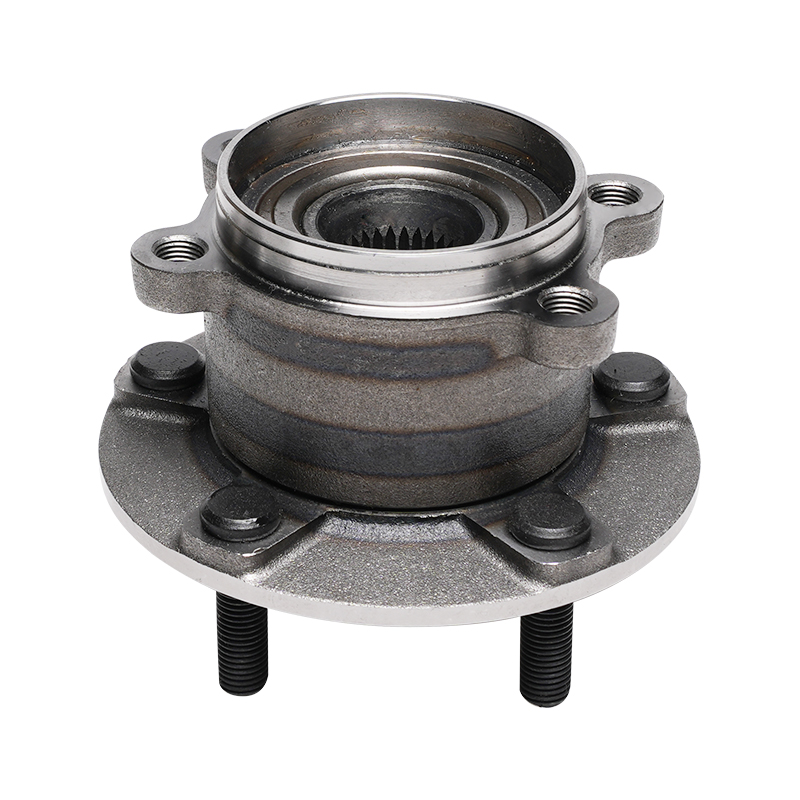
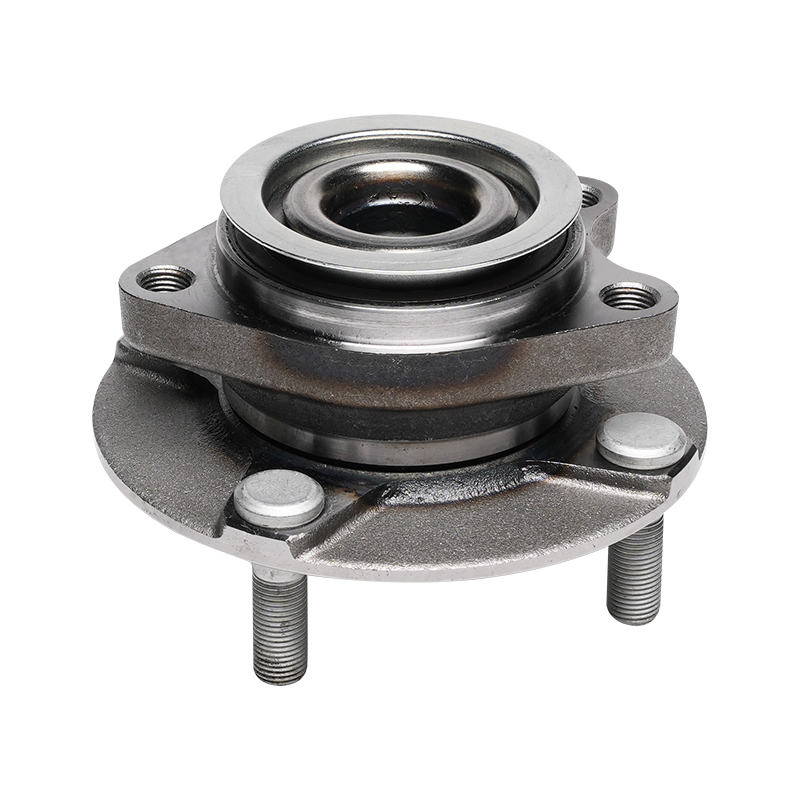
Modern vehicles predominantly utilize the third-generation hub unit. This design eliminates the need for a hydraulic press during replacement, as the entire assembly bolts directly to the steering knuckle. This not only reduces labor time but also minimizes the risk of installation error, ensuring that the bearing's internal preload is perfectly set at the factory. Properly maintaining your wheel hub bearings guarantees smooth wheel rotation, optimal fuel efficiency, and maximum safety on the road.
Request for a call today


Tel: +86 0575-87785959

E-mail: [email protected]

Add:Room 215, Building 3, No. 1887, Asia Pacific Road, Wenyan Street, Xiaoshan District, Hangzhou, Zhejiang, China
