 Search for products...

 English
 中文简体
中文简体
Looking For Business Opportunity?
Request for a call today
NEW
 2026.03.15
 Industry News
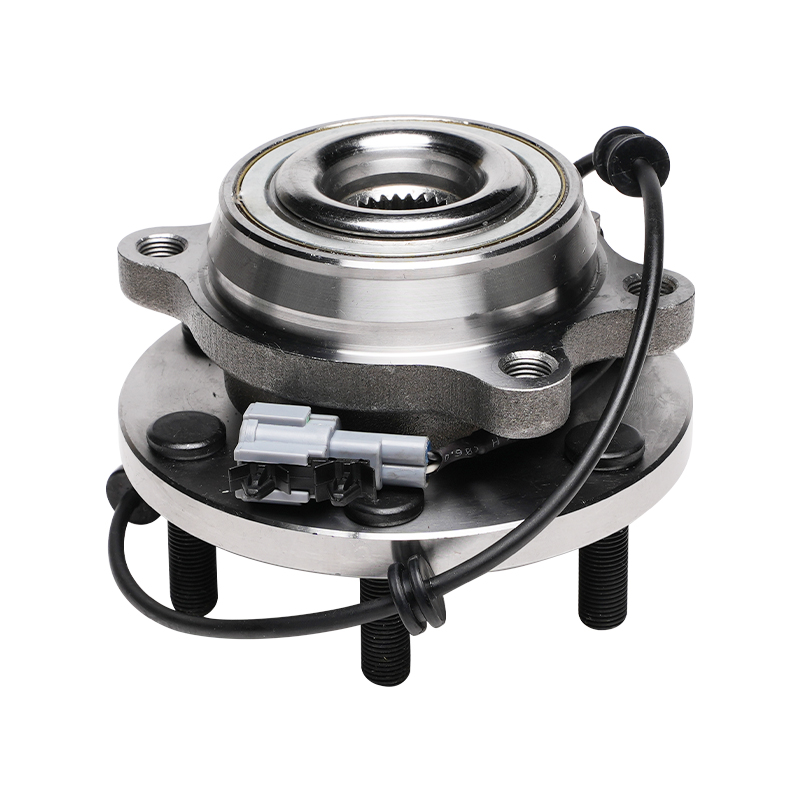
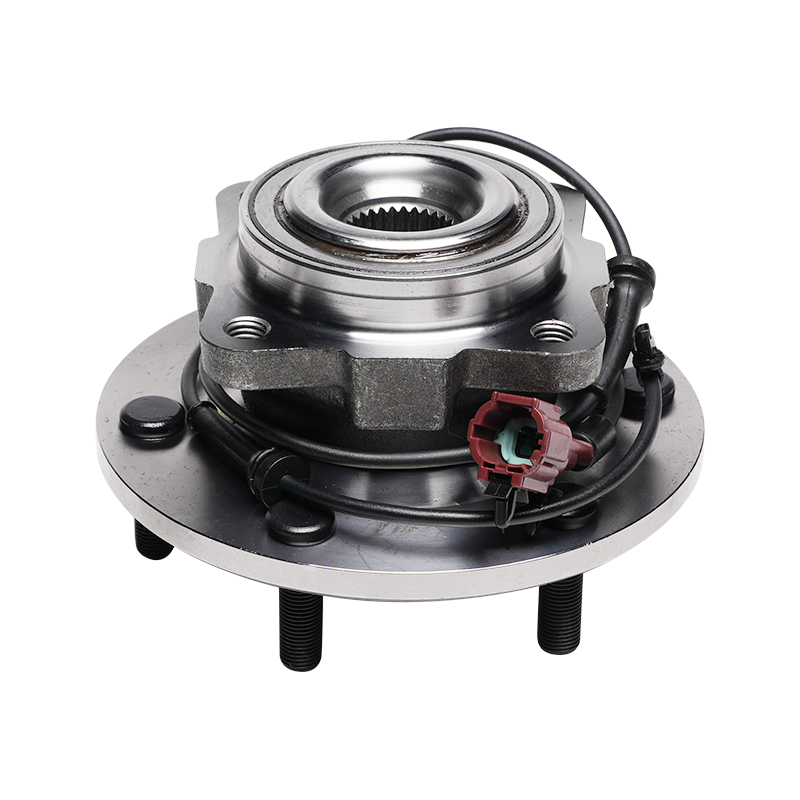
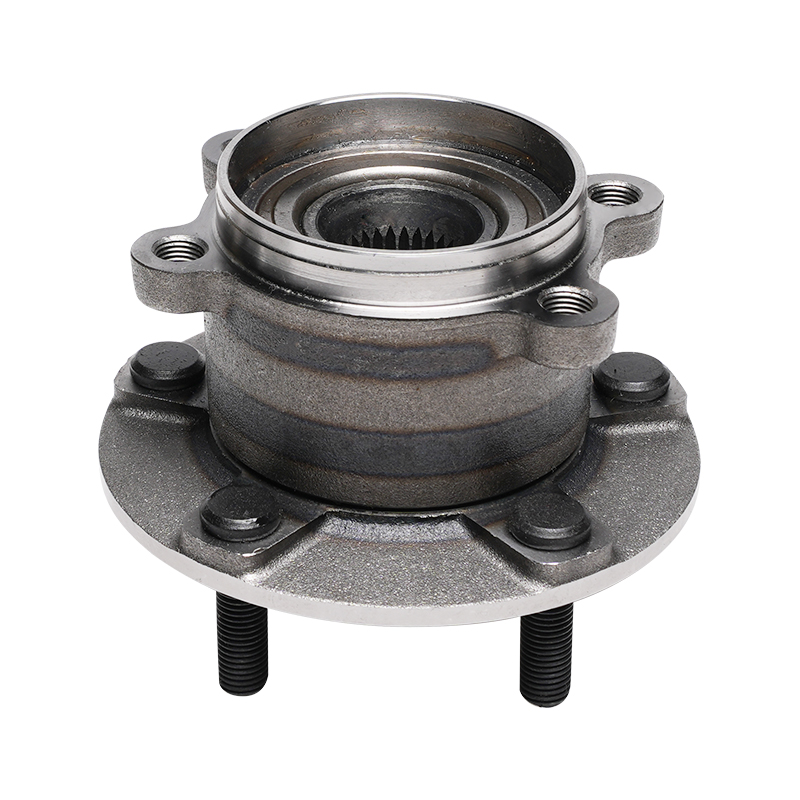
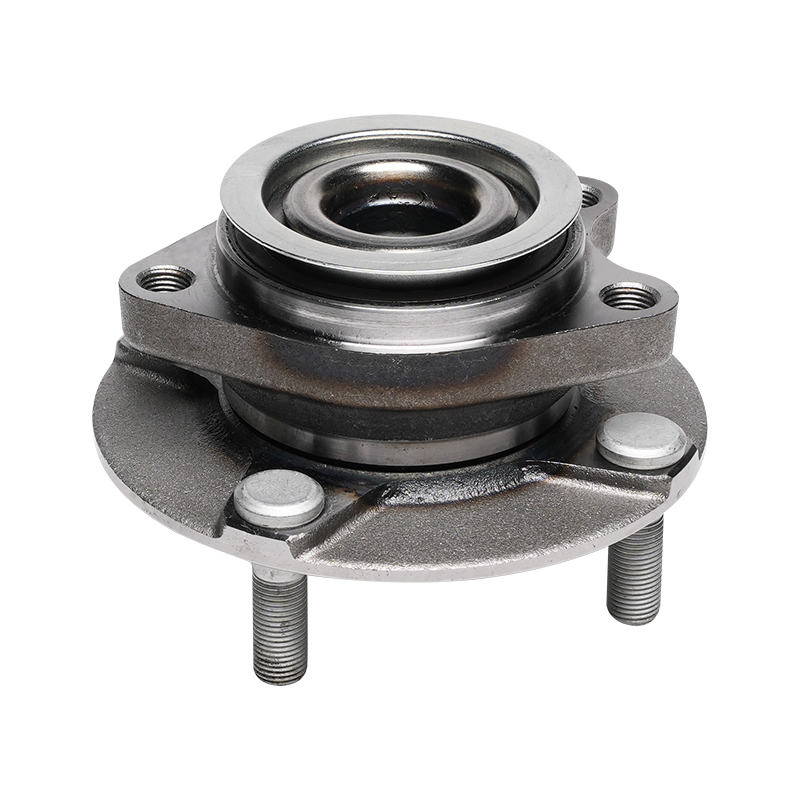
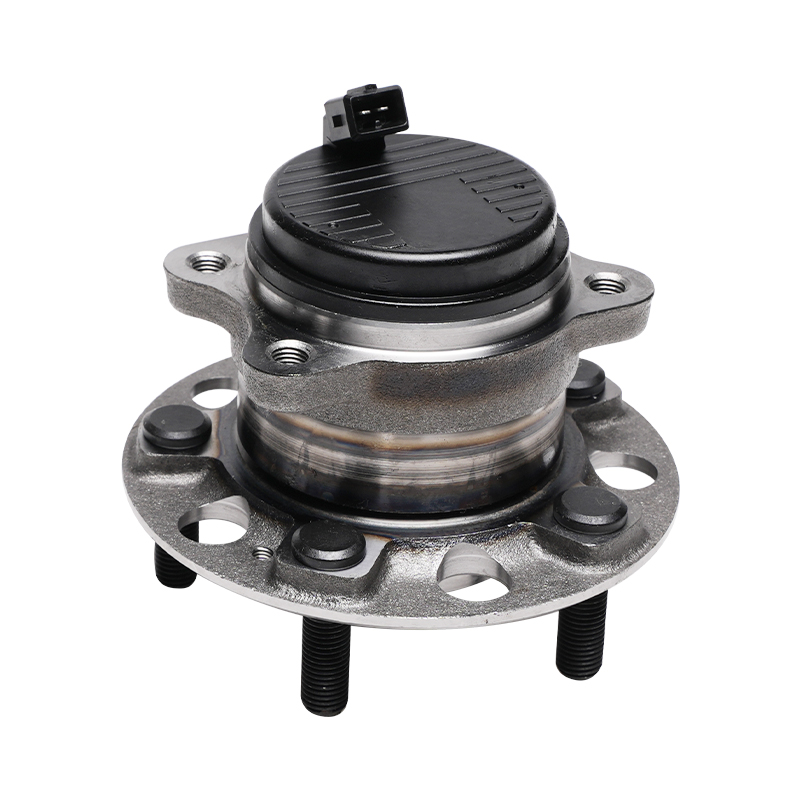
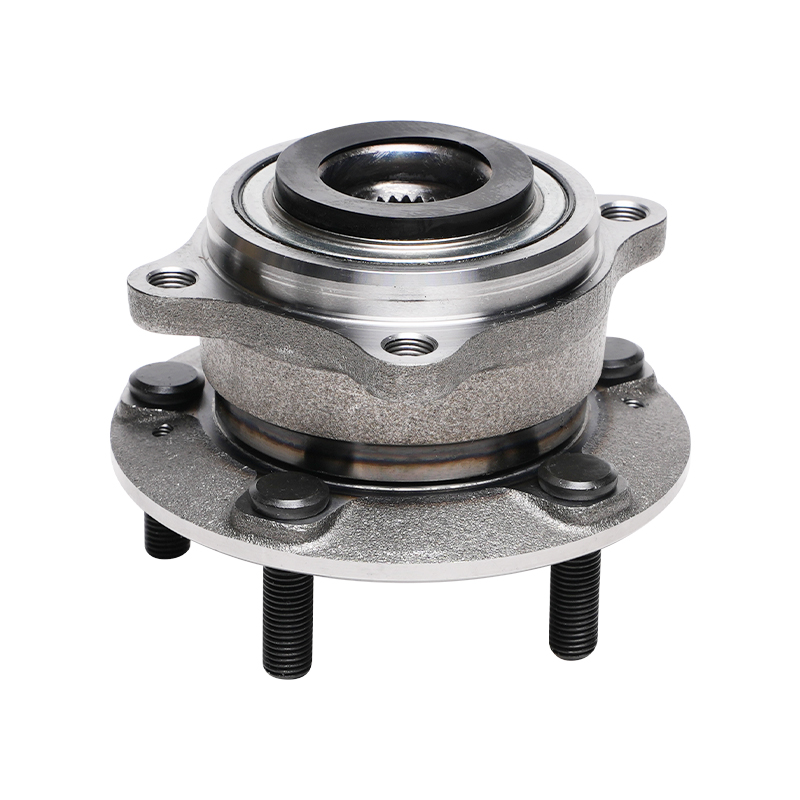
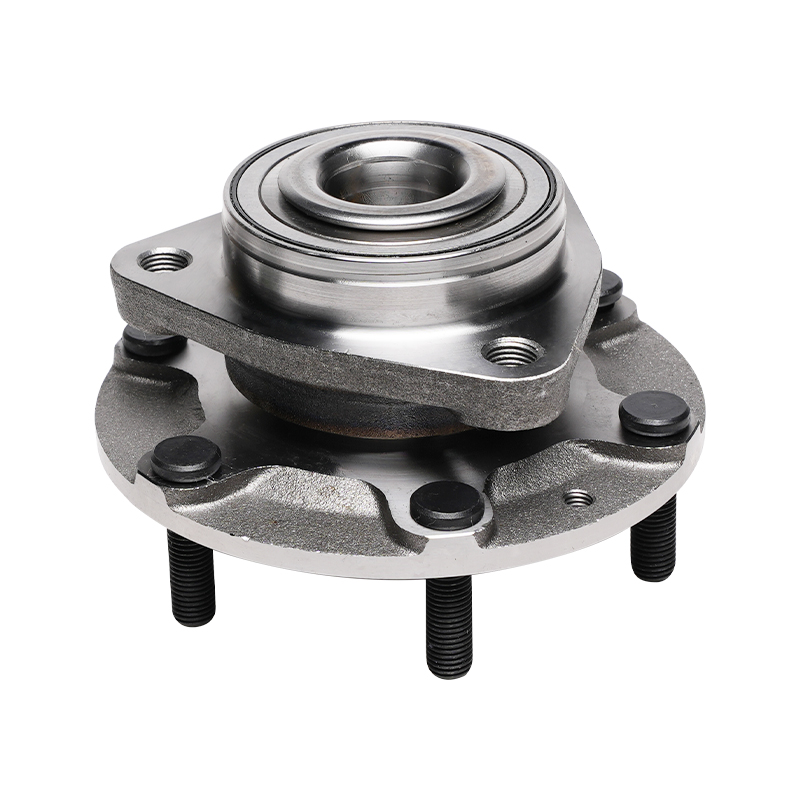
In modern automotive technology, Wheel hub assemblies are critical components connecting the wheels to the suspension system. They not only bear the vehicle's weight but also transmit power, support steering, and maintain driving stability. With increasing vehicle performance demands, the quality, durability, and precision of wheel hub assemblies have become more important than ever.
Wheel hub assemblies usually consist of bearings, a hub, and seals. Bearings are the core of the assembly, directly affecting wheel rotation efficiency and driving smoothness. High-precision ball or roller bearings reduce friction loss, improve fuel economy, and extend vehicle lifespan. The hub connects the wheel to the braking system, and its material and manufacturing process impact overall rigidity and safety. Seals prevent dust and water intrusion while maintaining proper lubrication, ensuring the bearings operate optimally over time.
Modern designs increasingly favor integrated and modular assemblies. Traditional separate bearings require regular maintenance, while integrated assemblies reduce maintenance costs and replacement time. They also minimize gaps between components, improving steering accuracy and driving comfort.
The performance of wheel hub assemblies largely depends on the selected materials and manufacturing methods. High-strength steel is commonly used due to its load-bearing capacity and fatigue resistance. Some high-end vehicles use aluminum alloy or composite materials for the hub to reduce unsprung weight and enhance handling.
Manufacturing precision is critical for bearings. Advanced turning, grinding, and heat treatment processes achieve minimal geometric errors and uniform material hardness, ensuring stability and durability at high speeds. Seals are also upgraded with heat-resistant, wear-resistant, and corrosion-resistant materials to withstand various road and weather conditions.
Wheel hub assemblies are more than just wheel supports; they directly affect vehicle handling and safety. Rotation accuracy and load capacity determine driving smoothness and vibration levels. High-quality bearings reduce noise and enhance driving experience. Front-wheel drive, rear-wheel drive, and all-wheel drive systems have different design requirements to accommodate varying power transmission and load distribution.
With vehicle electrification and electronics integration, wheel hub assemblies increasingly incorporate sensors. Integrated speed sensors provide real-time data for ABS, electronic stability programs (ESP), and dynamic control systems. Accurate wheel speed monitoring allows precise braking and handling, enhancing driving safety.
Despite their durability, wheel hub assemblies may experience wear, looseness, or unusual noise over time. Wear typically occurs on bearing races and rolling elements due to insufficient lubrication or contamination, increasing rolling resistance. Looseness often results from improper installation or loose bolts, affecting handling and tire life. Abnormal noise, such as humming or vibration, signals bearing damage.
Regular maintenance, including proper lubrication, preventing moisture and debris ingress, and timely replacement of worn parts, is essential to maintain assembly performance and extend service life.
With the rise of electric vehicles and autonomous driving technology, wheel hub assemblies are evolving toward lightweight, high-precision, and intelligent designs. Lightweight materials reduce energy consumption and improve handling response. Advanced precision machining and wear-resistant materials ensure stability under high-speed and high-load conditions. Future assemblies may integrate more sensors and diagnostic functions to monitor wear, predict failure, and optimize vehicle control strategies, enhancing driving safety.
| Q1: What is the main function of wheel hub assemblies? | A1: They connect the wheels to the suspension system, support vehicle weight, transmit power, and ensure driving stability and steering accuracy. |
| Q2: How can you tell if a wheel hub assembly needs replacement? | A2: Common signs include unusual noise while driving, steering wheel vibration, uneven tire wear, or loose installation bolts. |
| Q3: What factors affect the lifespan of wheel hub assemblies? | A3: Bearing material and precision, seal quality, lubrication condition, and installation methods are key factors. |
| Q4: What is the difference between integrated and separate wheel hub assemblies? | A4: Integrated assemblies require less maintenance, offer easier replacement, and provide higher precision and reliability, while separate assemblies require regular lubrication and inspection. |
Request for a call today


Tel: +86 0575-87785959

E-mail: [email protected]

Add:Room 215, Building 3, No. 1887, Asia Pacific Road, Wenyan Street, Xiaoshan District, Hangzhou, Zhejiang, China
