 Search for products...

 English
 中文简体
中文简体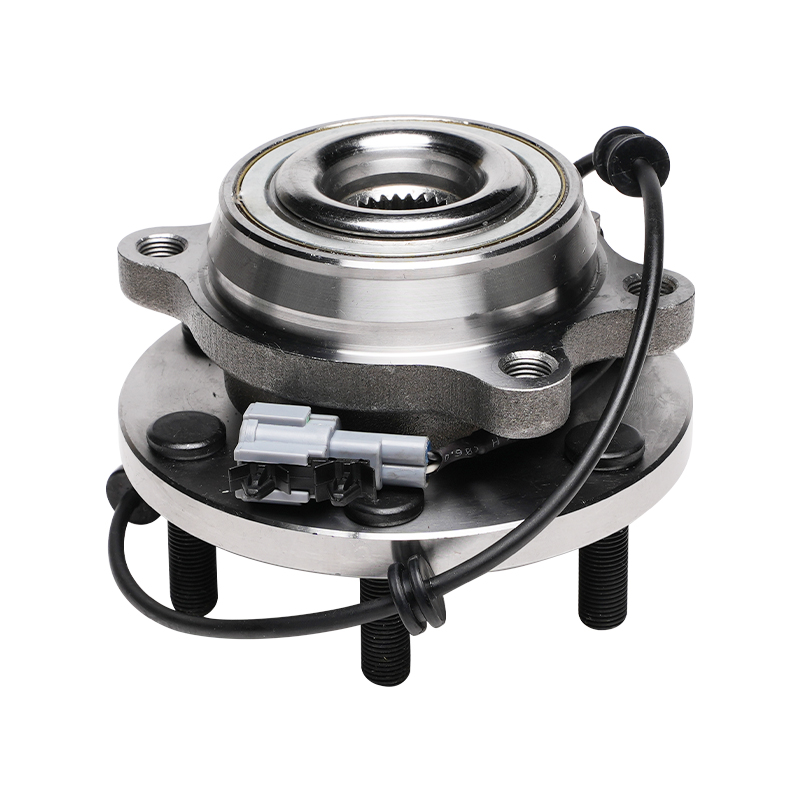
Looking For Business Opportunity?
Request for a call today
NEW
 Home / News / Industry News / What Are the Symptoms of a Bad Wheel Hub Bearing, and When Should You Replace It?
 2026.03.01
 Industry News
A wheel hub bearing is one of the most safety-critical components on any vehicle. It supports the entire weight of the vehicle at each wheel, allows the wheel to rotate freely and accurately, and — on driven axles — transmits the drive torque from the axle shaft to the wheel. When a wheel hub bearing begins to fail, the consequences progress from early warning symptoms that are easy to dismiss, through increasingly serious performance degradation, and ultimately to potential wheel detachment or loss of vehicle control if the bearing is allowed to fail.
Recognizing the symptoms of a failing wheel hub bearing early — and understanding what those symptoms indicate about the bearing's condition — is the difference between a straightforward bearing replacement at a workshop and a roadside breakdown or, in the worst case, an accident. This guide explains the specific symptoms of a bad wheel hub bearing in sequence from earliest to most severe, how to diagnose which wheel is affected, and the decision criteria for replacement timing.
The earliest and most distinctive symptom of a failing wheel hub bearing is a grinding, growling, or humming noise that is directly related to vehicle speed. As the vehicle accelerates, the noise increases in pitch or intensity; as the vehicle slows, it decreases proportionally. This speed-dependent noise pattern is what distinguishes a wheel bearing from other noise sources — tire noise, exhaust resonance, and road noise all have different speed-response characteristics.
The noise originates from worn or damaged rolling elements (balls or rollers) running on a degraded raceway surface inside the bearing. As the bearing wears, the smooth rolling contact becomes increasingly rough, generating vibration that transmits through the bearing housing, knuckle, and suspension into the vehicle body as audible noise. In the very early stages, the noise may only be noticeable at certain speed ranges — typically 60–100 km/h — because the frequency of the rolling element contact falls in the range most effectively transmitted into the passenger compartment at those speeds.
A critical diagnostic refinement of the bearing noise symptom: if the noise changes — increases on one side of a turn and decreases on the other — this indicates the specific bearing that is failing. When the vehicle turns, the weight load transfers laterally. On a left turn, the load shifts to the right wheel; on a right turn, the load shifts to the left wheel. A failing bearing on the more heavily loaded side produces more noise; when the load transfers away from it (the damaged bearing is now on the lightly loaded side), the noise reduces.
Practical diagnostic procedure: if the grinding noise increases when you turn gently to the right while driving at moderate speed, the failing bearing is most likely on the right side (right front for front-wheel-drive vehicles, or right rear if the noise appears to come from the rear). If the noise increases when turning left, suspect the left bearing. This test is consistent and reliable enough that experienced technicians use it as their primary bearing-side identification method before any disassembly.
As bearing wear progresses beyond the early noise stage, the internal clearance of the bearing increases — the rolling elements no longer fit tightly within the raceways, and there is measurable looseness in the assembly. This looseness translates to wheel runout: the wheel no longer rotates in a perfectly fixed plane but wobbles slightly on each rotation. On front wheels, this wobble is transmitted directly through the steering linkage to the steering wheel, producing a vibration or shimmy that may be felt in the steering wheel at certain speeds and that often varies with load, turning, and road conditions.
Bearing-induced steering wheel vibration is distinct from tire imbalance vibration — tire imbalance produces vibration at a specific vehicle speed range that disappears above and below that range, while bearing vibration tends to be broader and changes character with turning direction. If a wheel balance has not resolved steering wheel vibration, a wheel hub bearing check is the next diagnostic step.
A wheel hub bearing with increased internal clearance allows the wheel and tire to tilt slightly relative to the axle — a condition called excessive toe or camber variation from the bearing looseness. This irregular wheel angle causes uneven contact between the tire and road surface, producing accelerated or uneven tread wear patterns. In front-wheel-drive vehicles, worn front wheel hub bearings are a common cause of inner or outer edge tread wear that is otherwise unexplained by alignment problems. If an alignment check shows values within specification but unusual tread wear persists, bearing inspection is warranted.
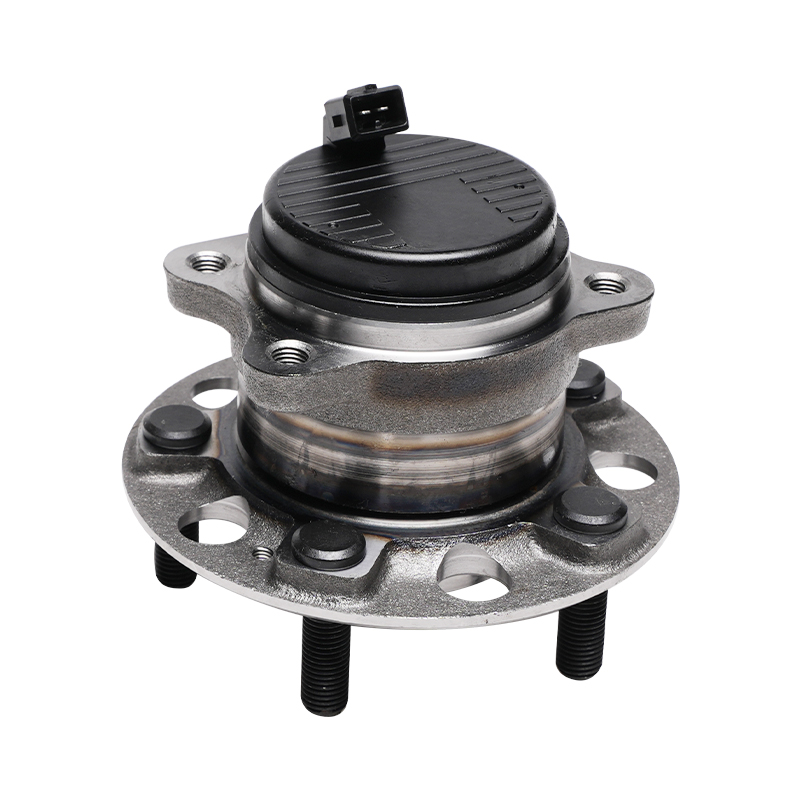
Modern wheel hub assemblies — particularly Generation 2 and Generation 3 designs (see the article on wheel hub bearing generations) — integrate the ABS wheel speed sensor directly into the bearing assembly. The sensor reads the rotational speed of a magnetic encoder ring built into the bearing's inner ring or seal. When the bearing begins to fail, several failure modes can corrupt the wheel speed signal: the encoder ring can become damaged or lose its magnetic properties from heat and contamination; bearing looseness can cause the gap between the sensor and encoder ring to vary, degrading signal quality; and severe bearing damage can cause intermittent or complete signal loss.
The result is an ABS warning light on the dashboard, potentially accompanied by stability control, traction control, or electronic brake distribution warnings, because all of these systems depend on accurate wheel speed data from each corner. A wheel speed signal fault that clears and reappears, or that occurs on a single wheel channel, is a specific indicator for bearing inspection on that corner — particularly when accompanied by any of the noise or vibration symptoms described above.
Advanced bearing failure — where the bearing has developed significant internal damage or the bearing's axial play has become large enough to affect brake rotor runout — can cause the vehicle to pull to one side when braking. The mechanism is brake rotor lateral runout from the loose bearing, causing the brake caliper piston to be pulsed in and out as the warped or tilted rotor sweeps past it, generating uneven braking force between the two sides. A vehicle that pulls on braking is more commonly caused by a sticking caliper or uneven pad wear, but if brake component inspection finds no fault, the wheel hub bearing should be examined for excessive play.
A severely failing or seized bearing generates significant friction heat. In the most advanced stages of bearing failure — before or after actual mechanical failure of the rolling elements — the wheel hub and surrounding area become noticeably hot to the touch after driving, while the corresponding positions on the other axle remain at normal operating temperature. This heat is a late-stage warning indicator that the bearing is failing rapidly; by the time a wheel is hot from bearing friction, replacement is urgently required. Driving a vehicle with an extremely hot wheel hub bearing risks complete bearing seizure, which can lock the wheel or, in the worst case, with loose hub nut conditions, allow wheel separation.
Once bearing failure symptoms are present, the following diagnostic procedures confirm which bearing is affected and the severity of the damage:
Elevated vehicle inspection — wheel shake test: With the vehicle safely lifted on a jack stand (not just a floor jack), grasp the tire at the 12 o'clock and 6 o'clock positions and attempt to rock it toward and away from yourself. Any play felt at these positions indicates radial bearing clearance. Repeat at the 9 o'clock and 3 o'clock positions to check for lateral play. A serviceable bearing has no detectable play in either direction. Any perceptible play — even 0.5–1mm — in a vehicle with noise or vibration symptoms confirms bearing replacement is needed. Note that some vehicle designs have slight play by design; compare to the same position on the opposite axle as a reference.
Wheel spin test: With the wheel lifted free of the ground, spin the wheel by hand at a moderate speed. A good bearing spins smoothly and decelerates evenly. A failing bearing may feel rough, notchy, or irregular as the rolling elements pass over damaged raceway areas. Listen for grinding, clicking, or irregular noise during the spin. On driven axles with limited-slip differentials, rotate in both directions to distinguish driveline resistance from bearing roughness.
Stethoscope or mechanic's rod: A simple mechanic's stethoscope or a long metal rod held against the bearing area while an assistant slowly rotates the wheel allows the technician to listen directly to the bearing noise isolated from the surrounding structure. Bearing noise is localized, irregular, and directional — it should be clearly distinguishable from other rotation-related sounds.
The timing of wheel hub bearing replacement is determined by symptom severity and the bearing's role in vehicle safety systems:
At the first appearance of consistent speed-dependent noise, the bearing should be inspected and, if confirmed, scheduled for replacement within a reasonable timeframe — driving several thousand more kilometers on a recently identified noisy bearing is generally acceptable if the noise is mild and no other symptoms are present, but delay beyond this allows damage to progress.
When steering wheel vibration, pulling, or ABS faults appear in addition to noise, replacement should be prioritized and performed promptly. These symptoms indicate the bearing has progressed past the early wear stage into a condition that is actively affecting vehicle handling and safety systems.
When wheel wobble (play detectable in the wheel shake test) or heat generation is present, the vehicle should not be driven until the bearing is replaced. At this stage, the bearing's structural integrity is compromised, and continued driving risks sudden failure.
As a general preventive guideline, wheel hub bearings on passenger vehicles typically reach the end of their service life in the range of 150,000–300,000 km under normal use, though this range varies significantly by vehicle type, driving conditions (road surface quality, exposure to water and salt), and bearing quality. Vehicles operated in harsh environments — coastal areas with salt air, regions with heavily salted winter roads, and frequent off-road or heavily potholed roads — should have bearings inspected at shorter intervals.
This is a common question in wheel hub bearing replacement decisions. The general guidance: if both bearings on the same axle have similar mileage and operating history, and one has failed, the other is likely approaching a similar condition. Replacing both bearings on the axle at the same time — while the vehicle is already in the workshop with the wheel removed — eliminates the likelihood of the second bearing requiring replacement within a short time, avoiding a second labor charge. In commercial and fleet vehicle maintenance, replacing both axle bearings simultaneously is standard practice.
For passenger vehicles, whether to replace the opposite bearing simultaneously is a judgment call based on the age and condition of the surviving bearing and the owner's preference. If the opposite bearing shows no noise, no play, and no ABS faults, it can reasonably be left in place — but should be re-examined at the next service interval.
Briefly — to reach a workshop — yes, if the symptoms are limited to noise and the wheel shows no play in the shake test and no heat is being generated. Driving extended distances on a confirmed failing bearing risks progressive damage, ABS and stability control system faults, uneven tire wear, and, in severe cases, complete bearing failure that can result in loss of vehicle control. A vehicle with any play detectable in the wheel or with an abnormally hot wheel hub after driving should not be driven.
On modern vehicles with Generation 2 or Generation 3 bolt-on wheel hub assemblies, replacement typically takes 1–2 hours per corner for an experienced technician, including removal of the brake caliper and rotor to access the bearing mounting bolts, replacement of the assembly, and reassembly and torque verification. Generation 1 pressed-in bearing replacement takes longer — 2–3 hours — because the bearing must be pressed from the knuckle, which requires a hydraulic press and the correct press adaptors for the specific vehicle. Labor time can extend further if the bearing is heavily corroded onto the knuckle, which is common on high-mileage vehicles in salt-climate regions.
This is a reported phenomenon that can mislead vehicle owners into thinking the problem has resolved. The most common explanation: bearing noise in the early wear stage can vary significantly with temperature (bearing clearance changes slightly as components heat up to operating temperature), load conditions (noise may be more pronounced at specific speed-load combinations), and lubricant state (a bearing whose grease has partially degraded may run quieter at operating temperature when the grease is warm and fluid versus cold start). Disappearance of the noise does not mean the bearing has recovered — internal damage to the raceway and rolling elements is permanent and progressive. If noise has appeared and been confirmed as bearing-related, it should be investigated regardless of intermittent quiet periods.
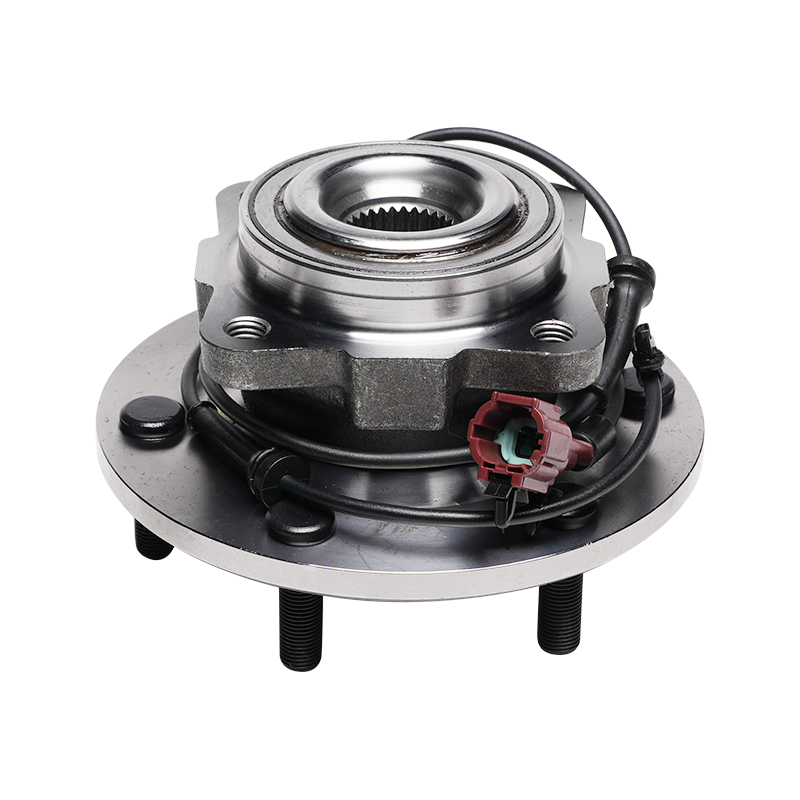
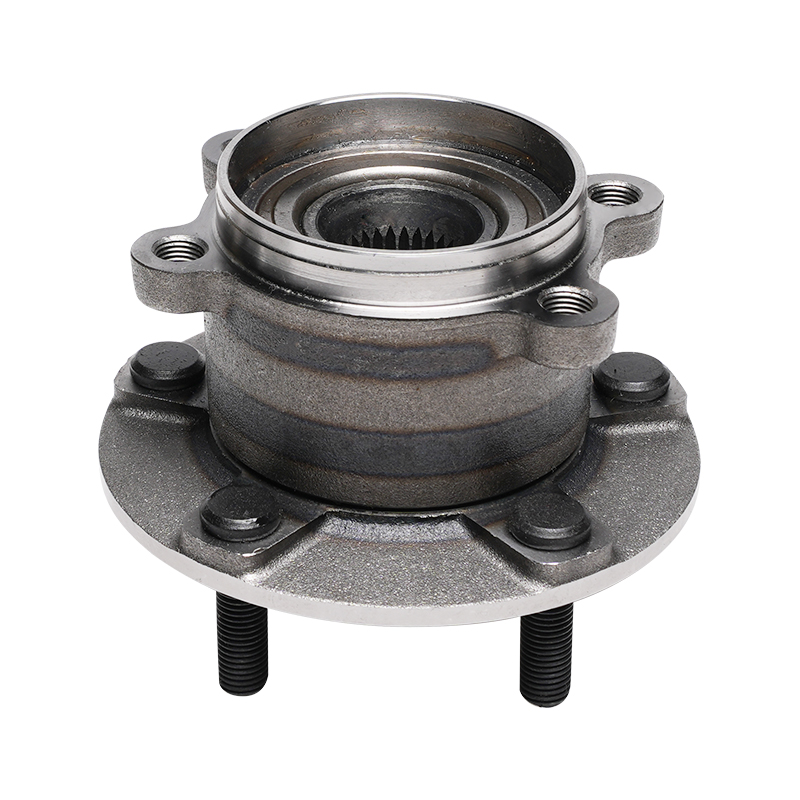
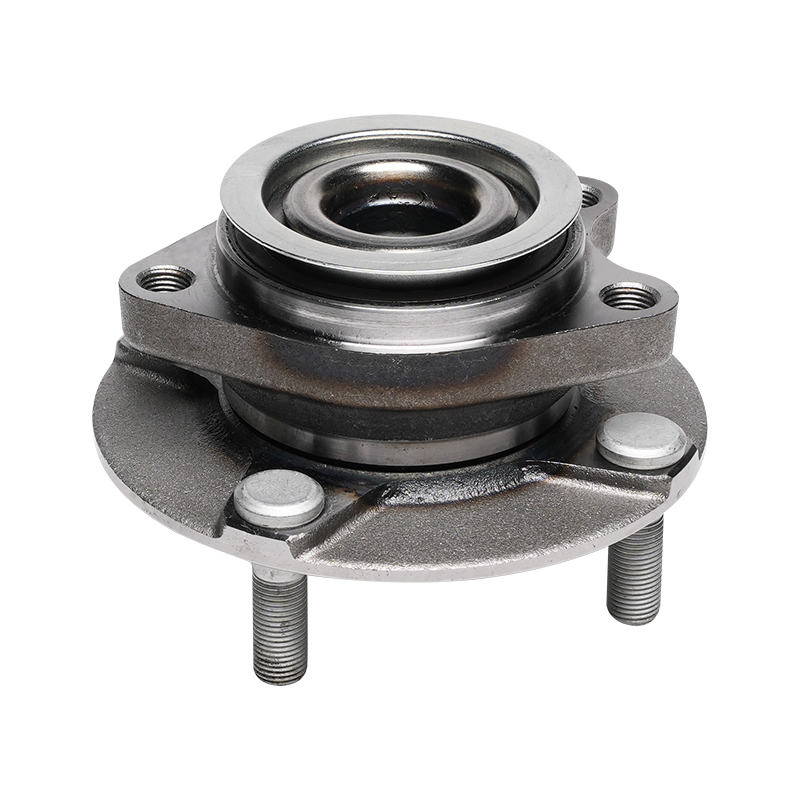
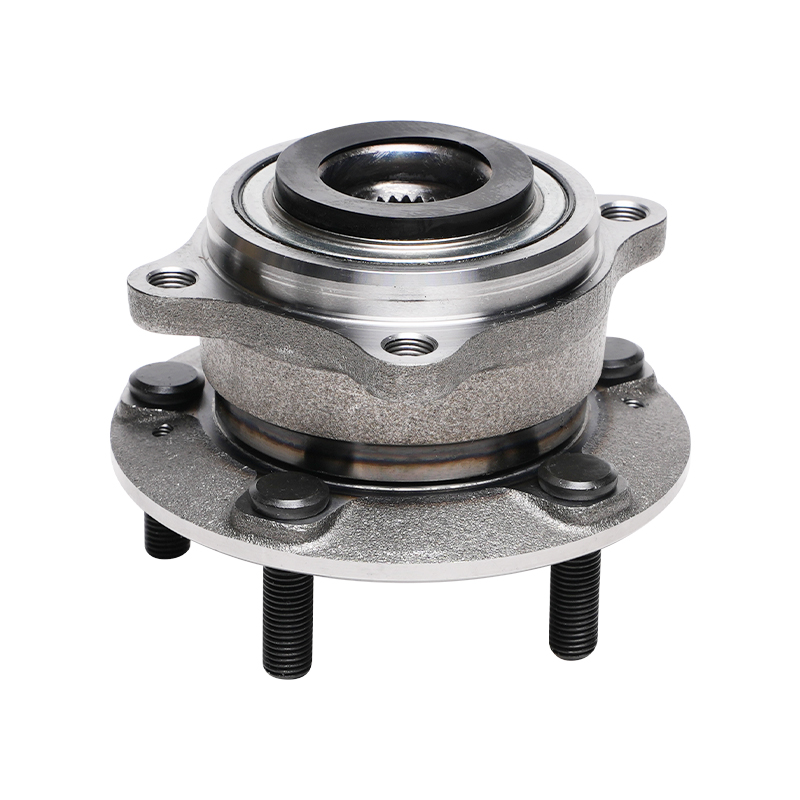
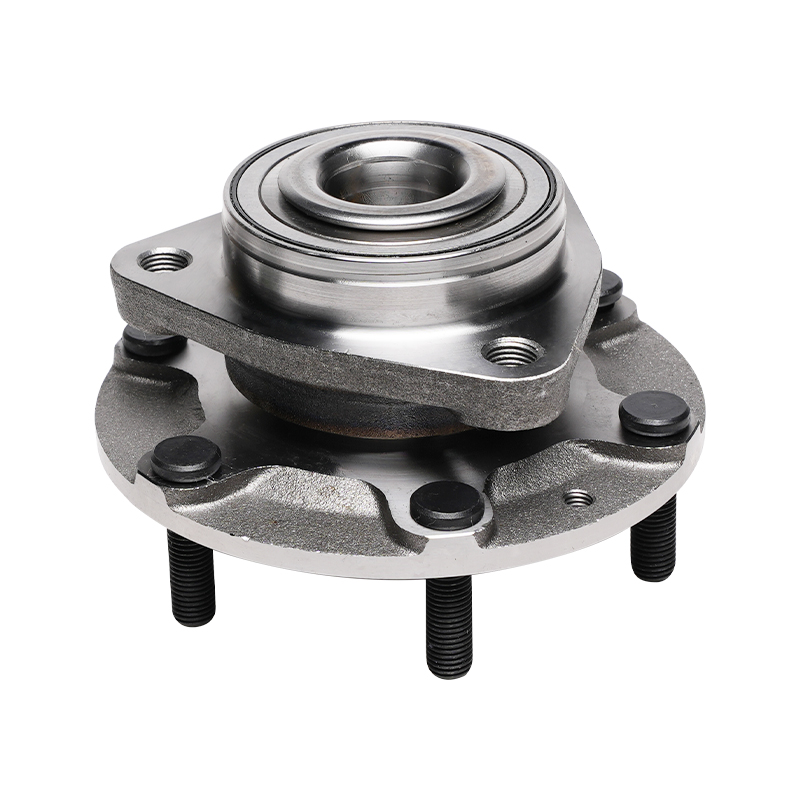
Zhejiang Lckauto Parts Co., Ltd. manufactures and supplies wheel hub bearings and wheel hub assemblies for the full range of vehicle origins — Japanese, American, European, Korean, and German — covering a broad catalog of passenger car, SUV, and light truck applications. All products are manufactured to OEM-equivalent specifications for dimensional accuracy, material grade, bearing preload, and encoder ring integration for ABS compatibility. Wholesale and OEM/ODM supply available.
Contact us with the vehicle year, make, model, and affected wheel position to identify the correct wheel hub assembly for your application.
Related Products: Japanese Cars Wheel Hub Bearing | American Cars Wheel Hub Bearing | European Cars Wheel Hub Bearing | Korean Cars Wheel Hub Bearing | German Cars Wheel Hub Bearing
Request for a call today


Tel: +86 0575-87785959

E-mail: [email protected]

Add:Room 215, Building 3, No. 1887, Asia Pacific Road, Wenyan Street, Xiaoshan District, Hangzhou, Zhejiang, China
